Counter-Depth Refrigerators
Refrigerators built to sit close to flush with standard base cabinets — what that means, what it costs you in capacity, and how to measure before you buy.
287 matching models currently listed · Browse all refrigerators
What counter-depth actually describes
“Counter-depth” is a description of the cabinet, not a certification. It means the refrigerator case is built shallow enough to sit close to flush with the front of standard kitchen base cabinets instead of standing proud of them. Base cabinets are usually about 24 inches deep and countertops about 25 inches with the overhang, which is where the name comes from (KitchenAid, “Counter-Depth vs. Standard-Depth Refrigerators”; Whirlpool, “What Is a Counter-Depth Refrigerator?”). “Cabinet depth” is the same idea under a different brand's vocabulary.
The number that gets you flush is the case depth — the box without doors and handles. Doors and handles project past the case, so the same model can be published at more than one depth depending on which of those measurements the spec sheet quotes. Read the depth line on each product page and check which figure it names; the manufacturer's own spec table and installation documents are linked on the page.
The trade-off is capacity, not features
A shallower case holds less. A counter-depth refrigerator gives up interior volume against a standard-depth model of the same width, and manufacturers often recover part of it by making the counter-depth version wider or taller (KitchenAid). A standard-depth model is the one that stands proud of the counter; how far it projects is a number its own spec sheet states.
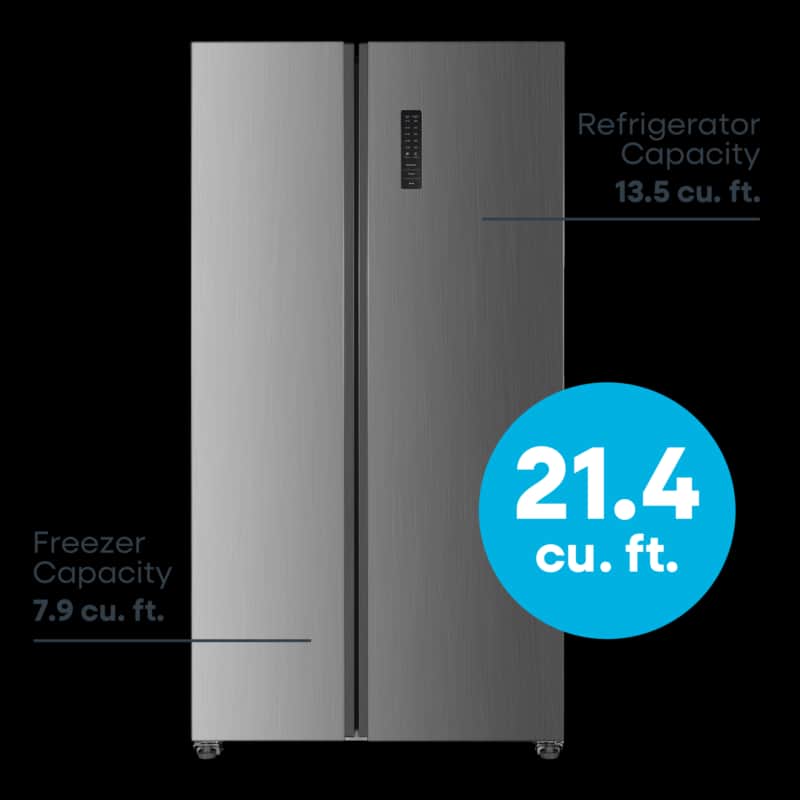
So compare the cubic-foot figure, not the marketing class: two counter-depth 36-inch French-door models can differ by several cubic feet, and the capacity is published for every one of them. Every card below links to the model's own spec table and documents.
How to measure the opening
Measure the width at the narrowest point of the opening, the height under the cabinet or soffit, and the depth from the back wall to the front edge of the counter. Then check the swing: at 90 degrees the door and its handle need room to clear an adjacent wall or island, and the crisper drawers have to clear the counter edge to pull out. Finally, read the installation instructions for the model — the manufacturer states the air clearances that model needs at the top, sides and rear, and those are the numbers that decide whether it fits. Each product page carries that documentation.
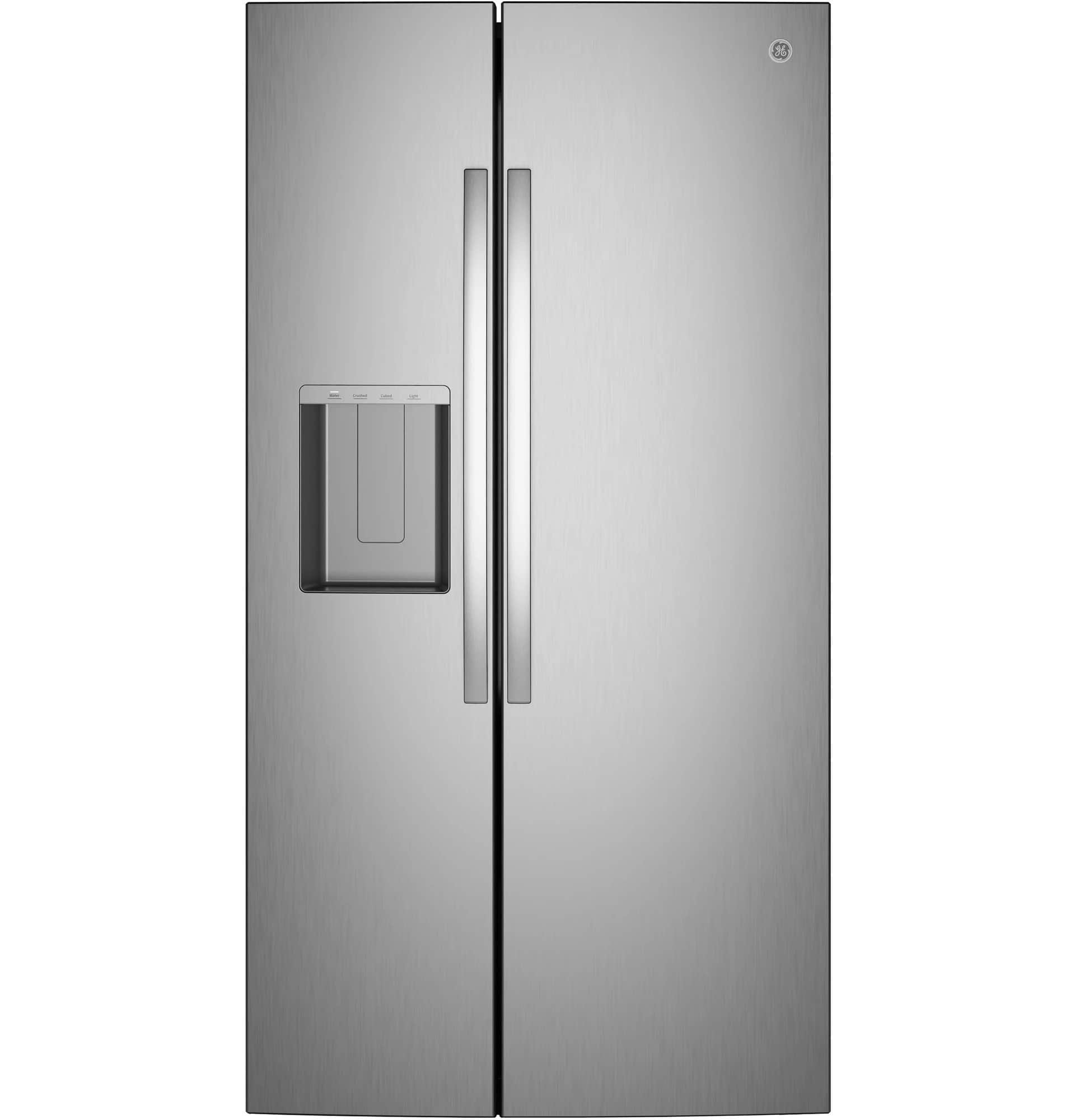
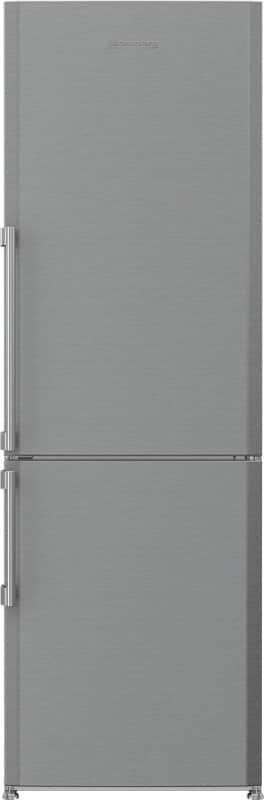
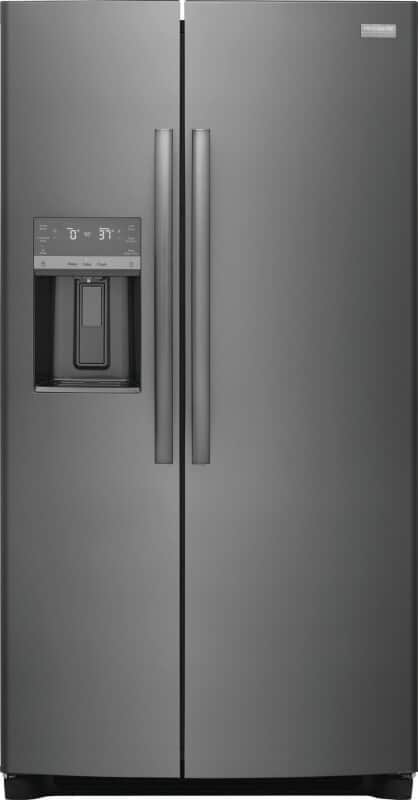
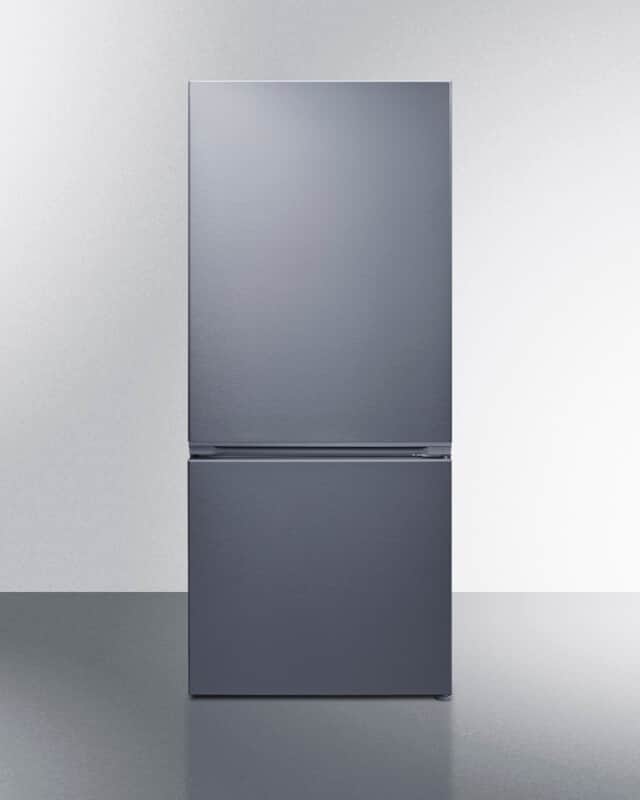
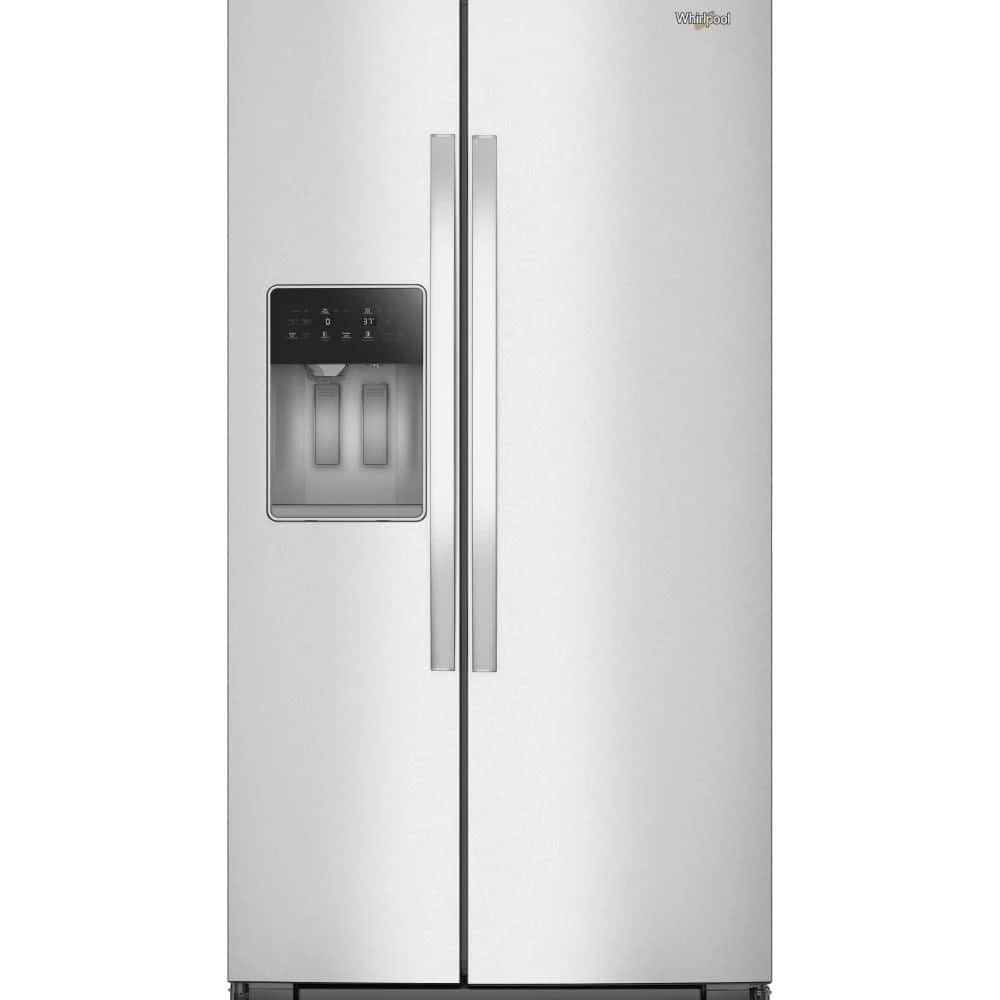
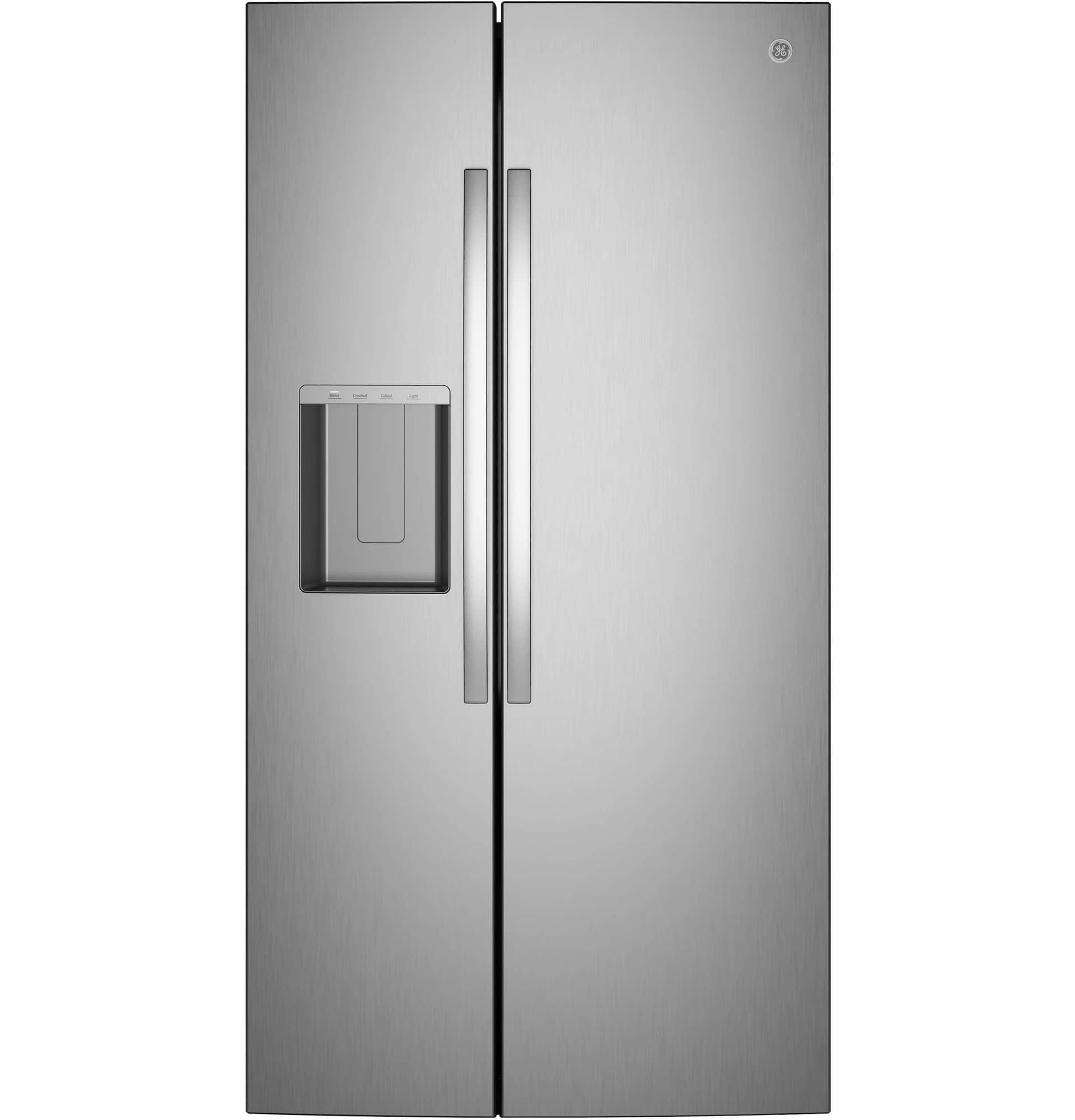
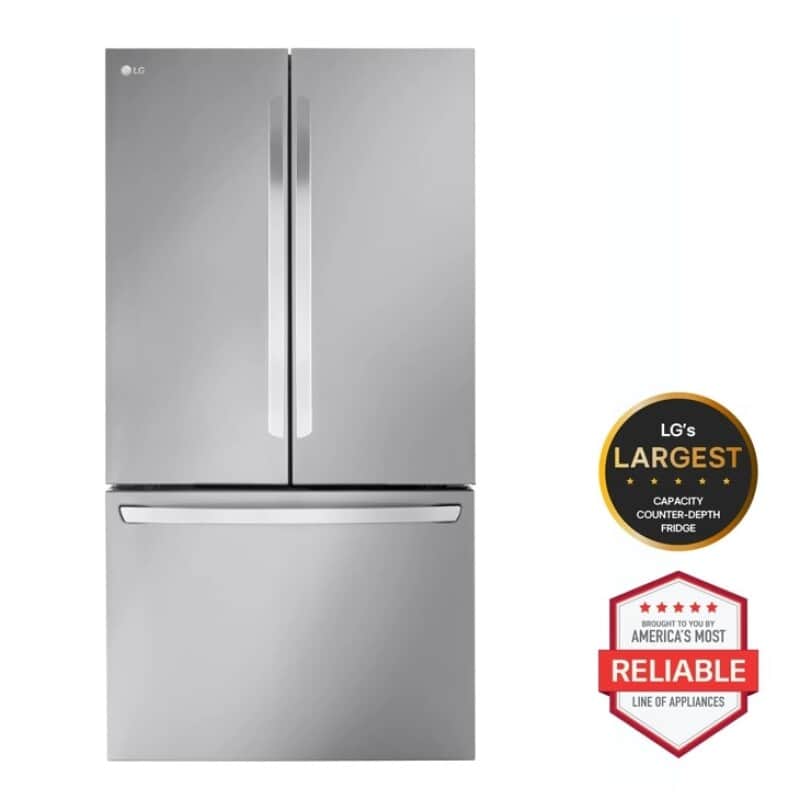
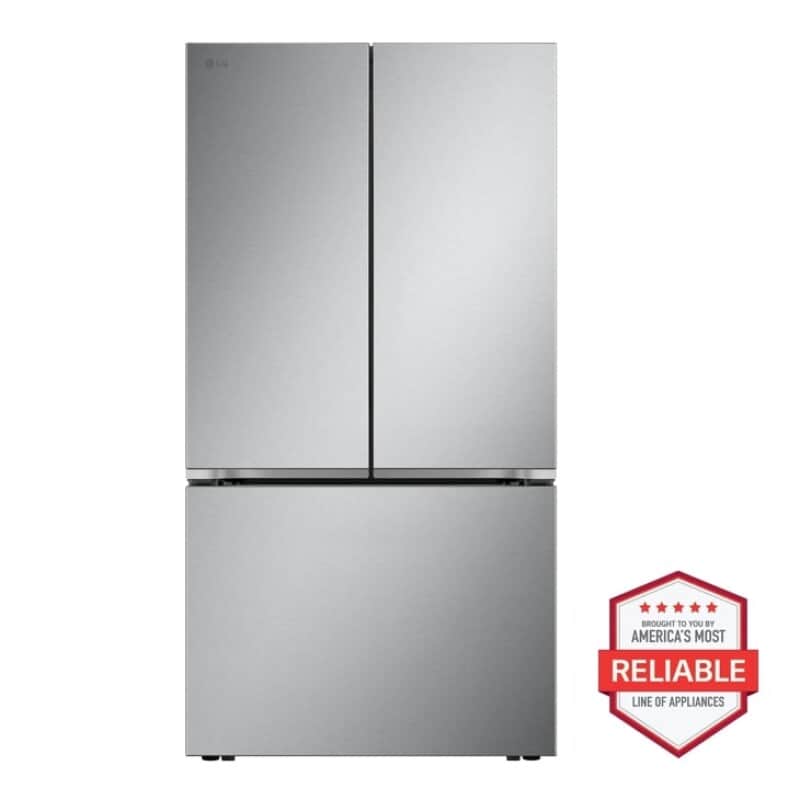
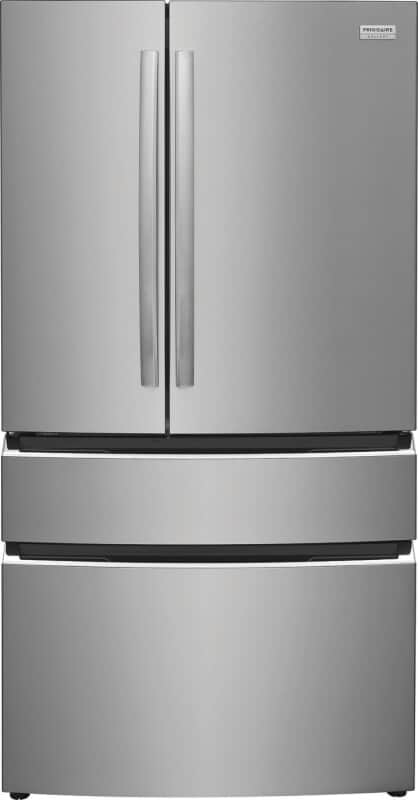
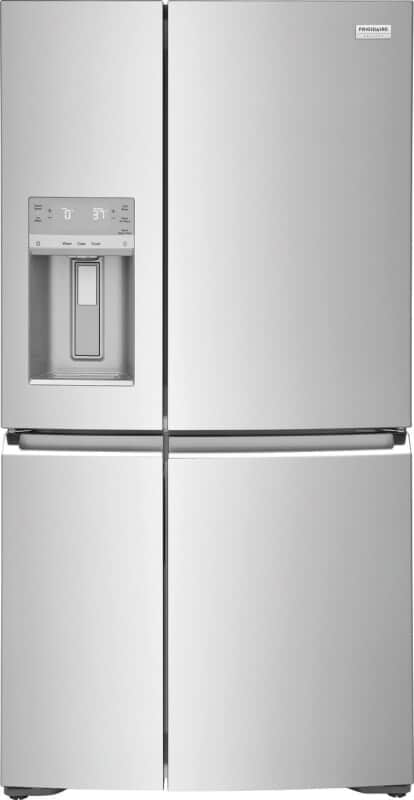
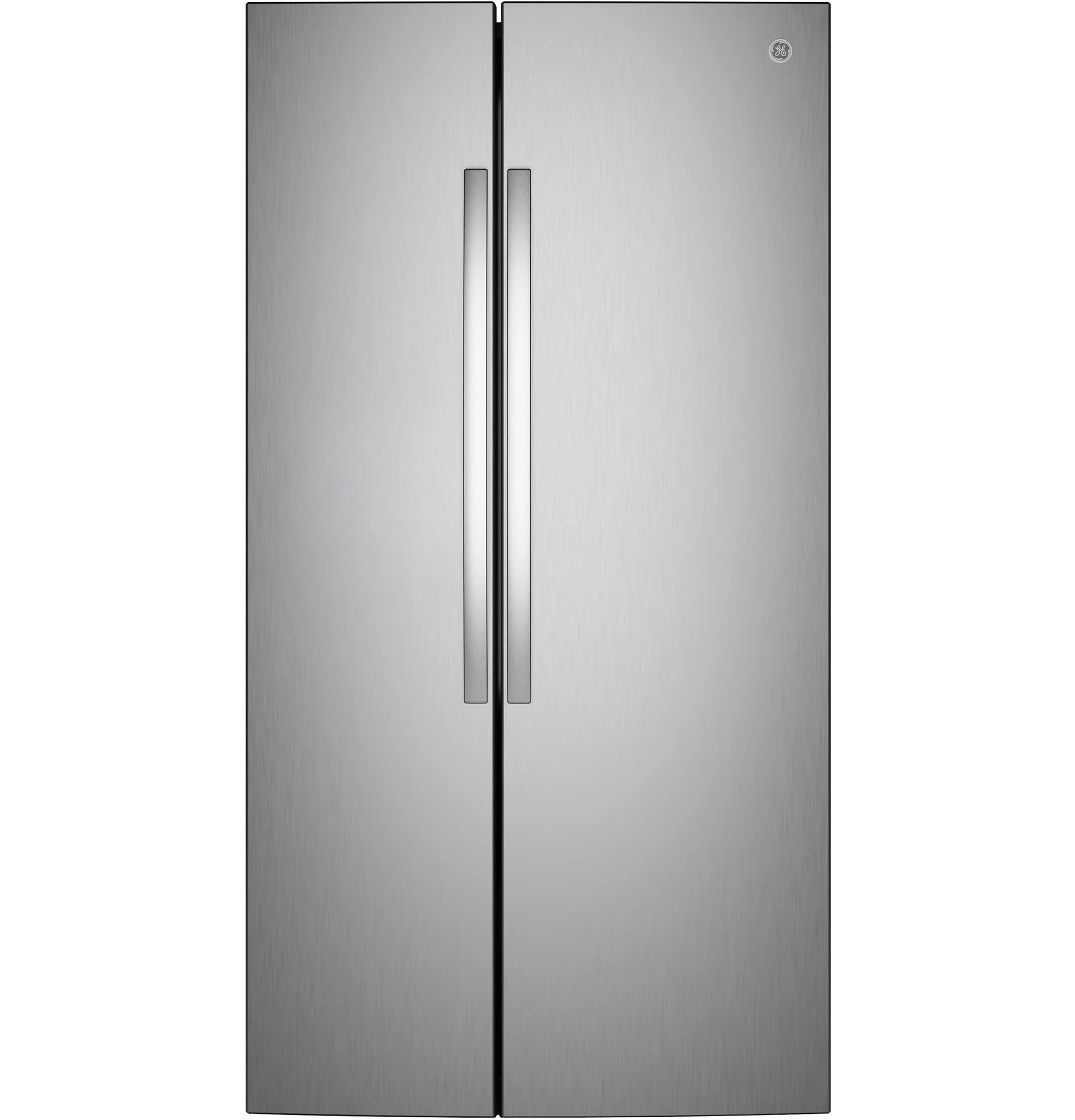
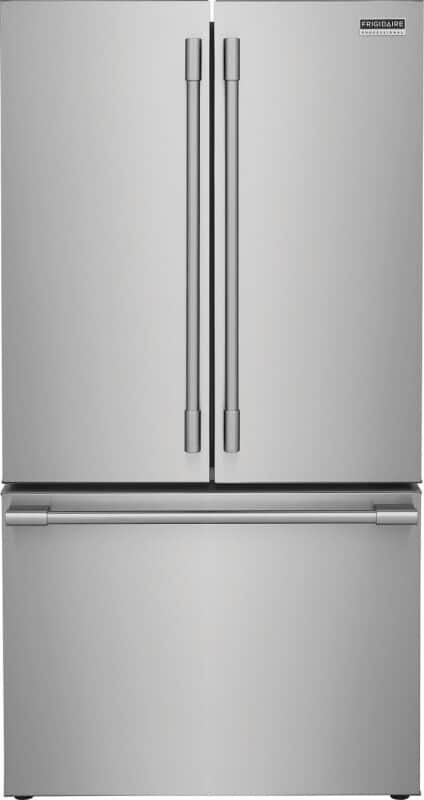
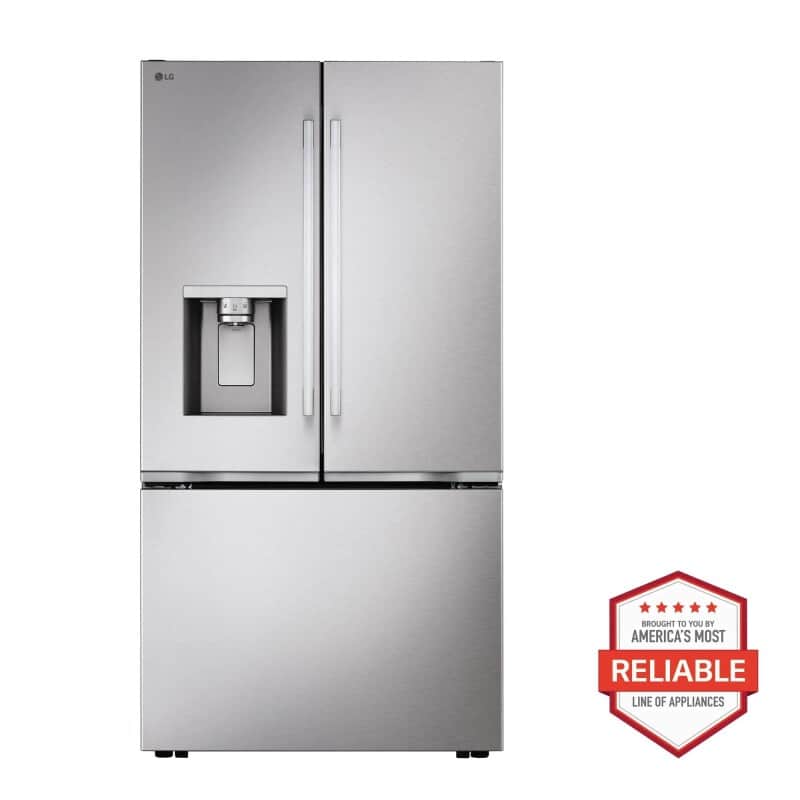
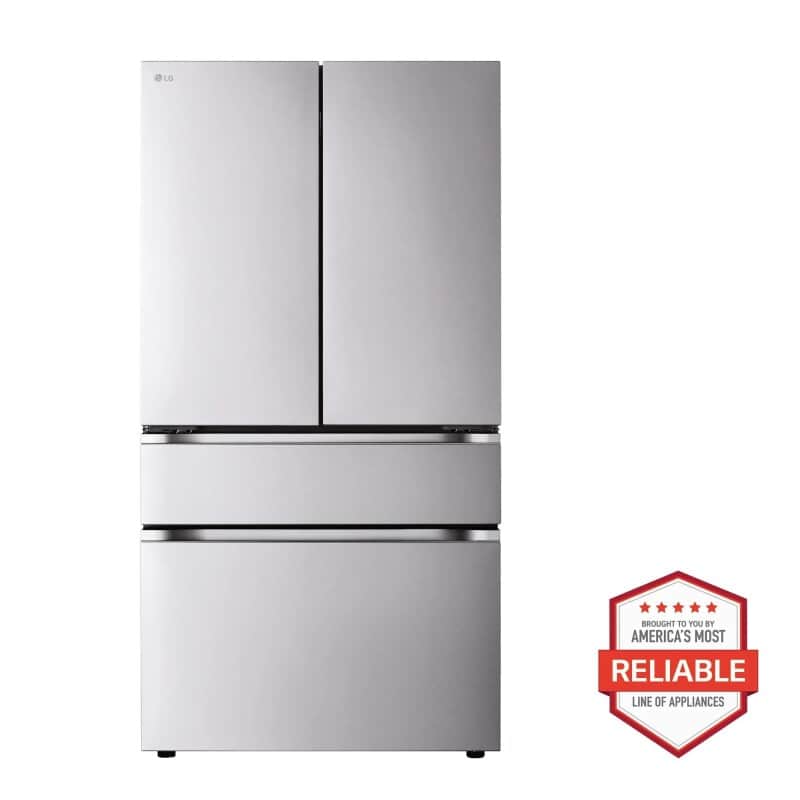
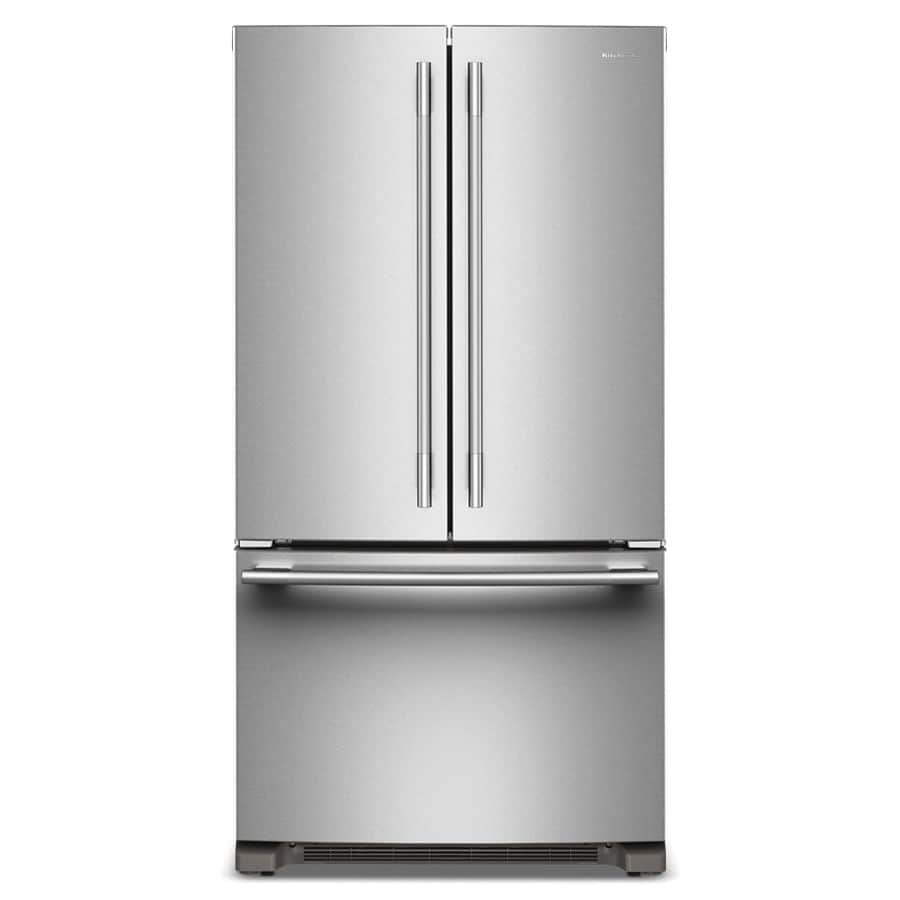
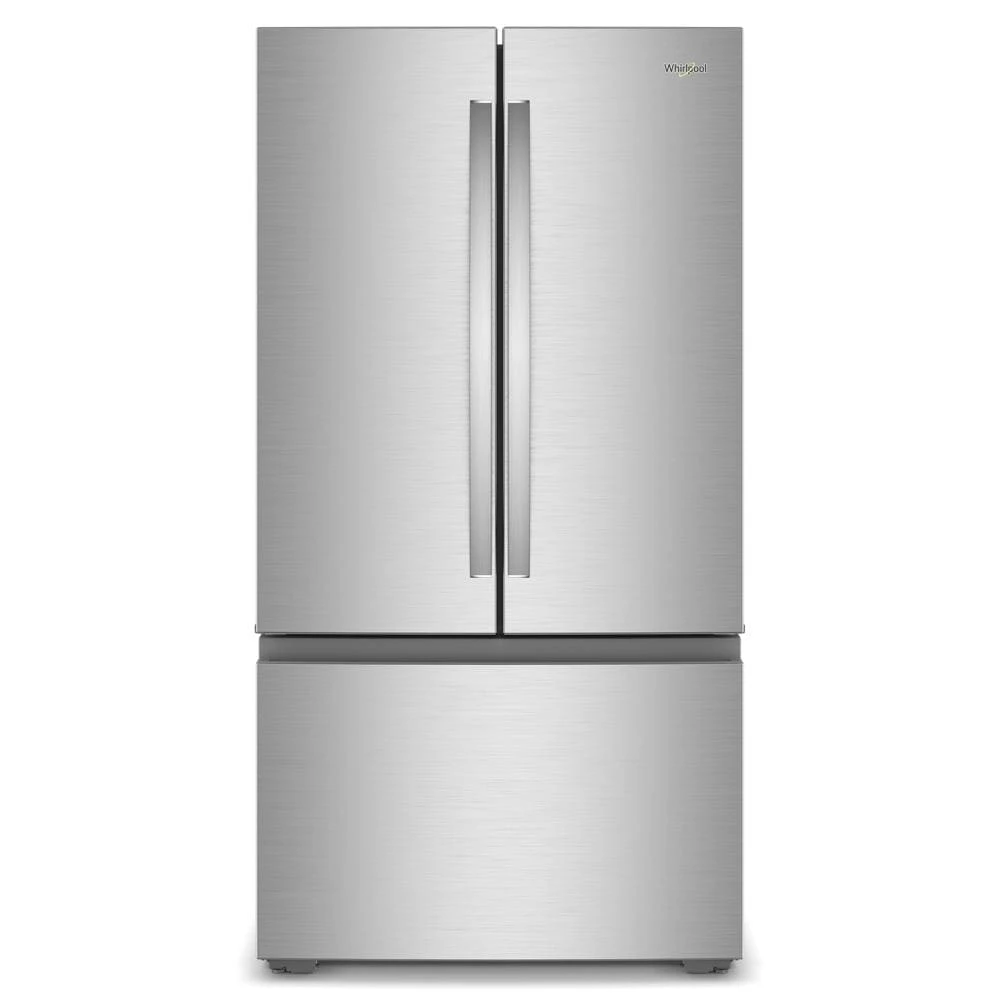
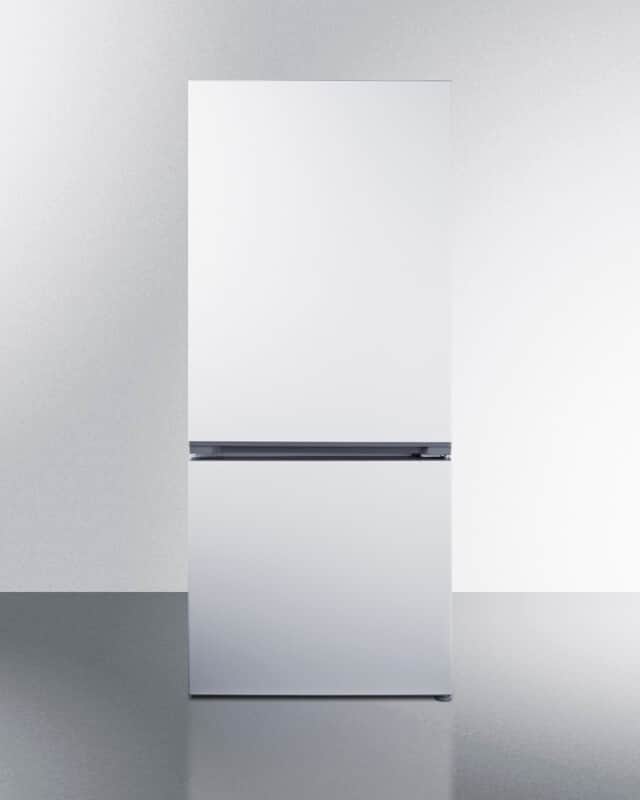
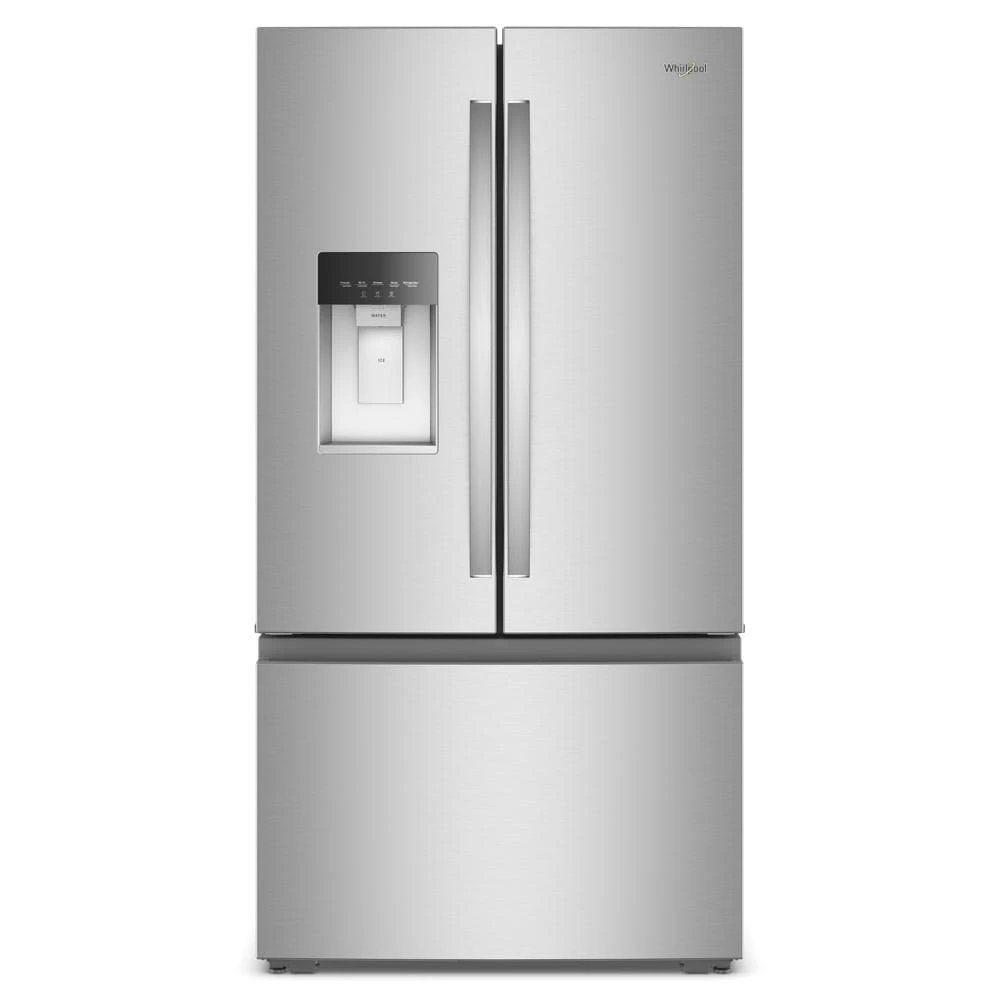
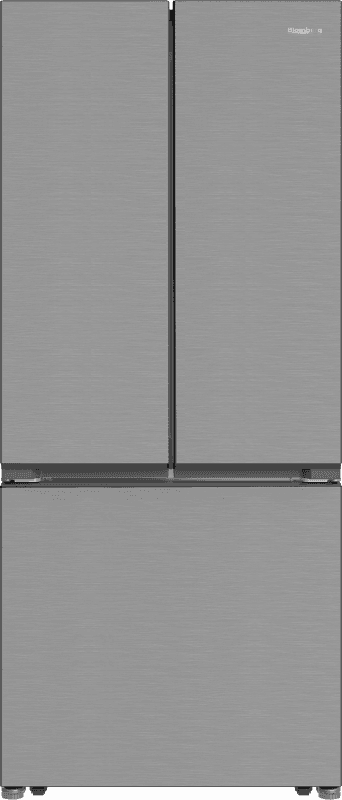
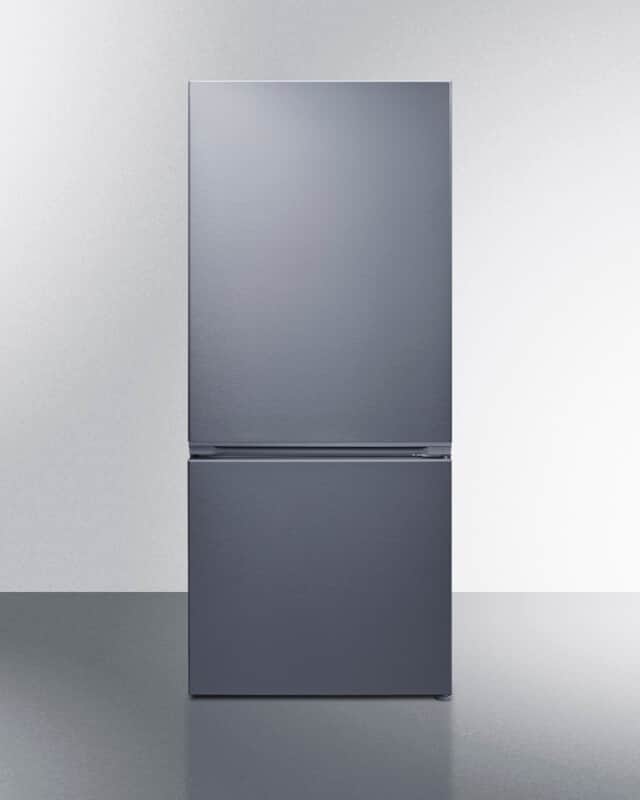
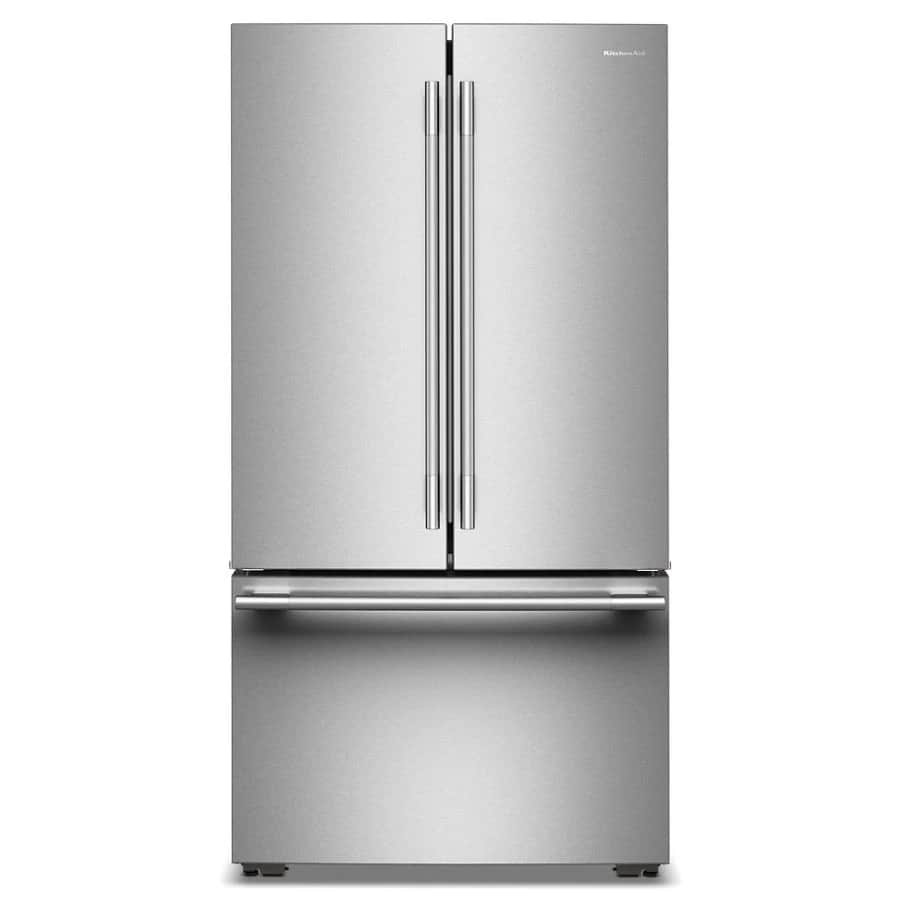
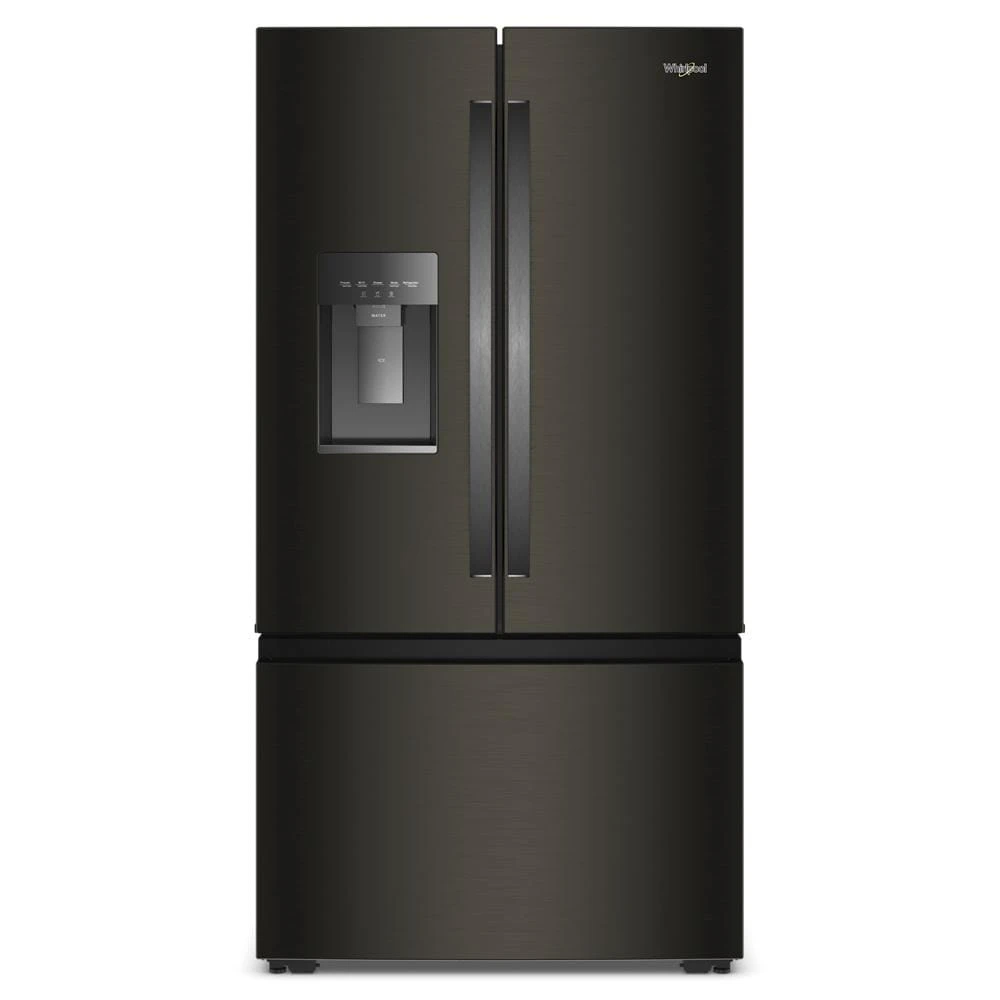
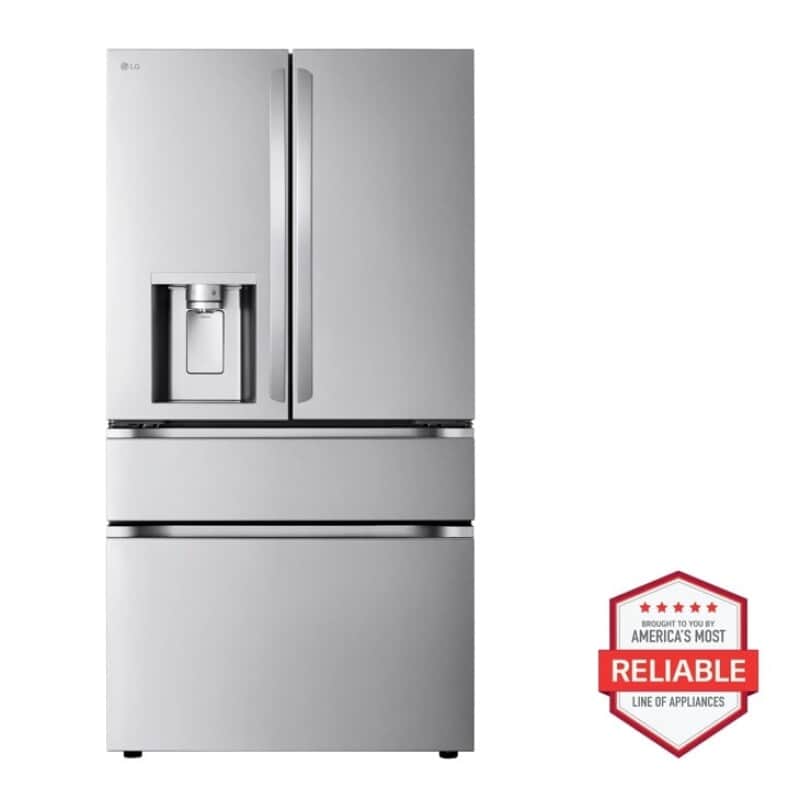
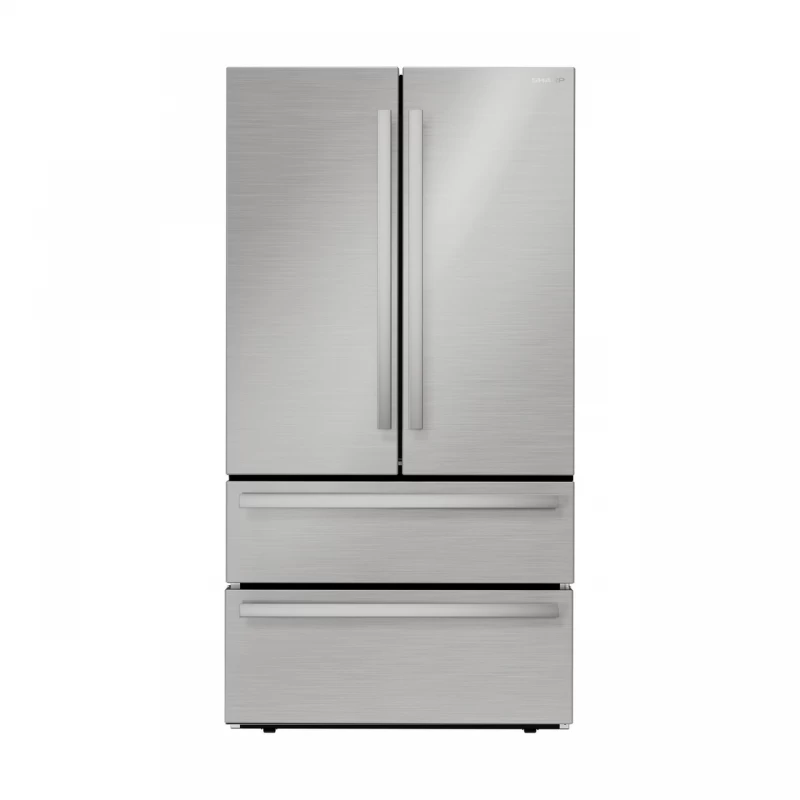
The list below is every refrigerator whose manufacturer spec data marks it counter-depth, in-stock units first.
Counter-depth refrigerators we list
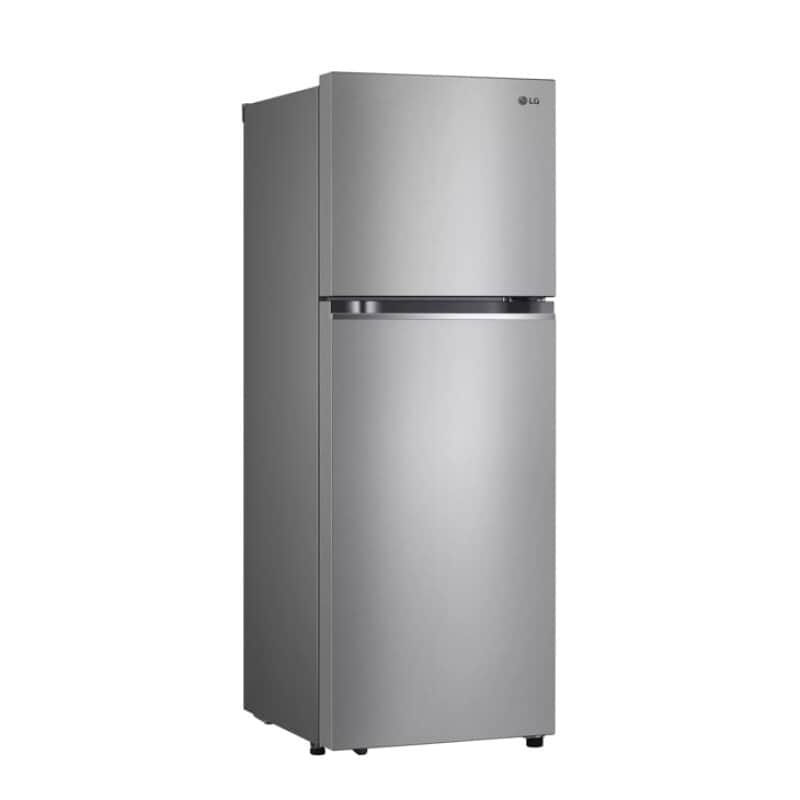
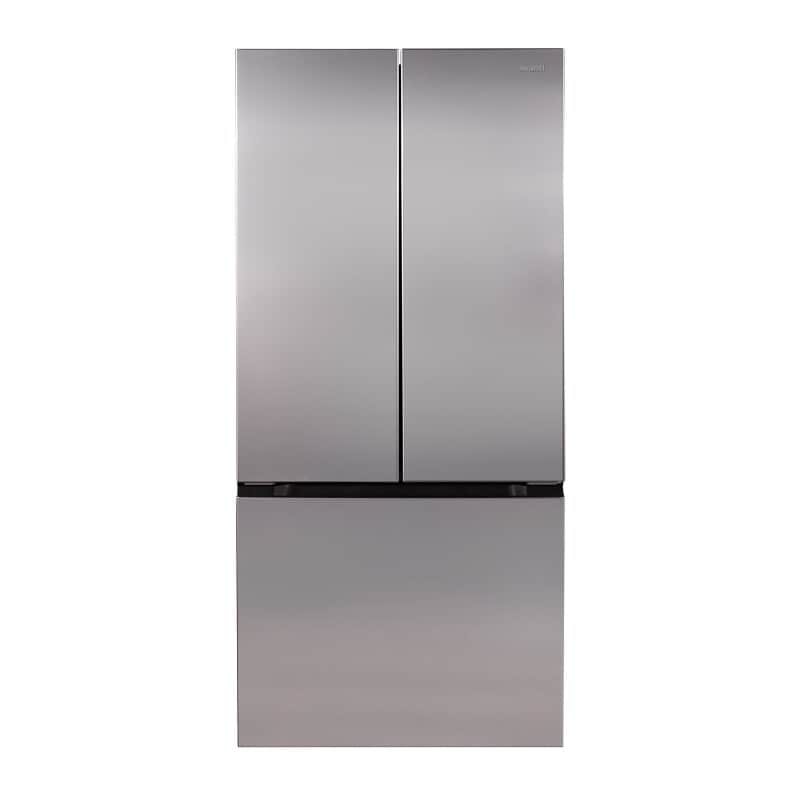
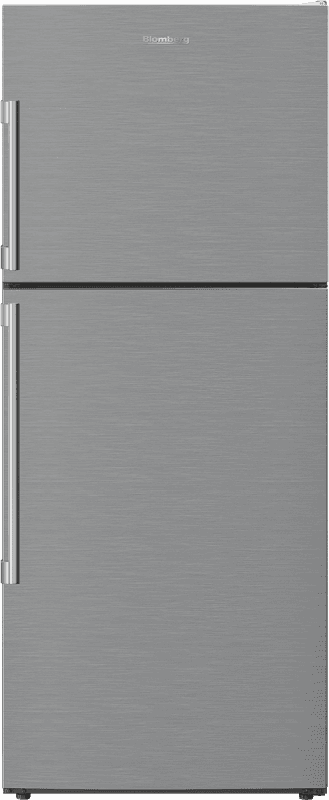
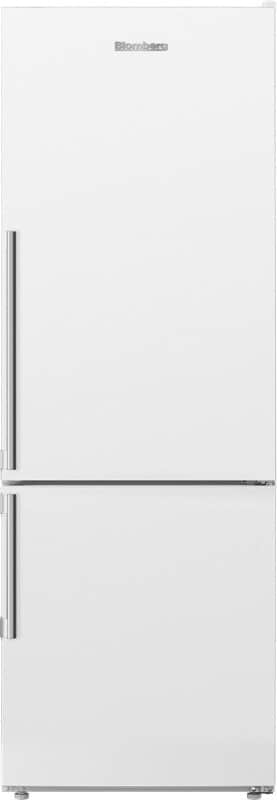
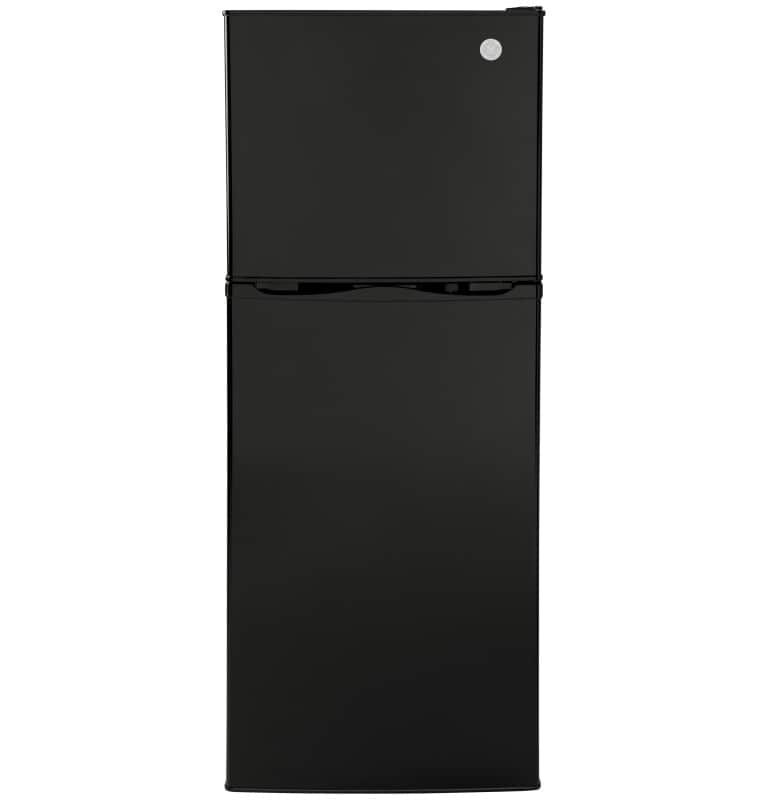
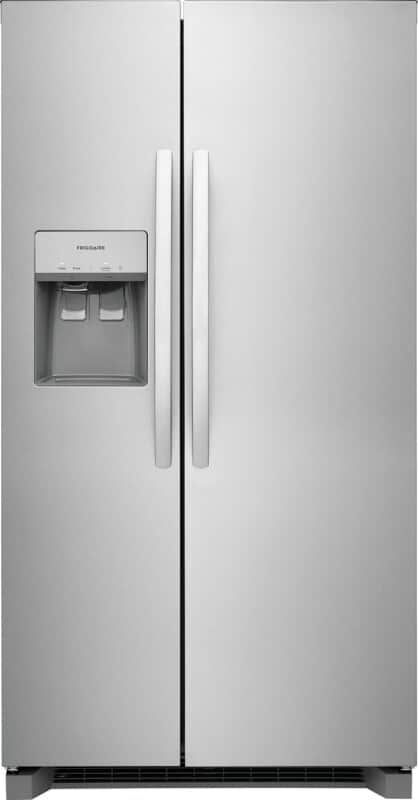
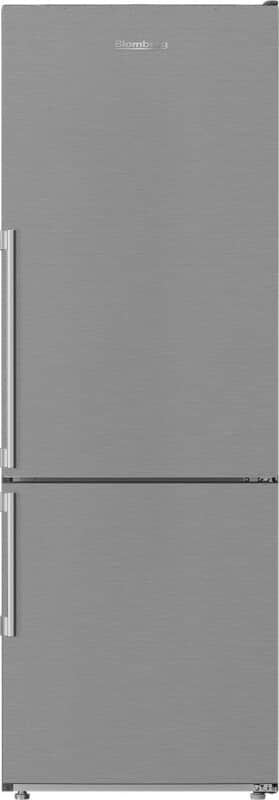
287 listed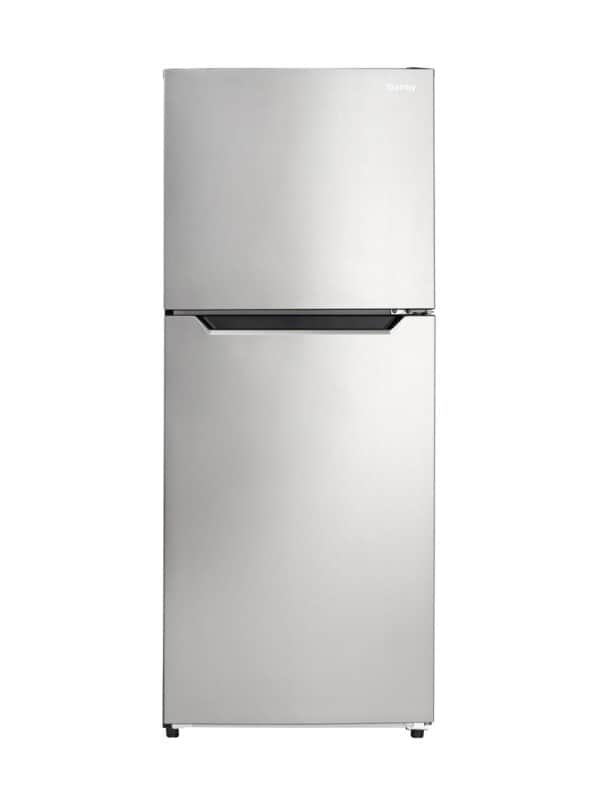
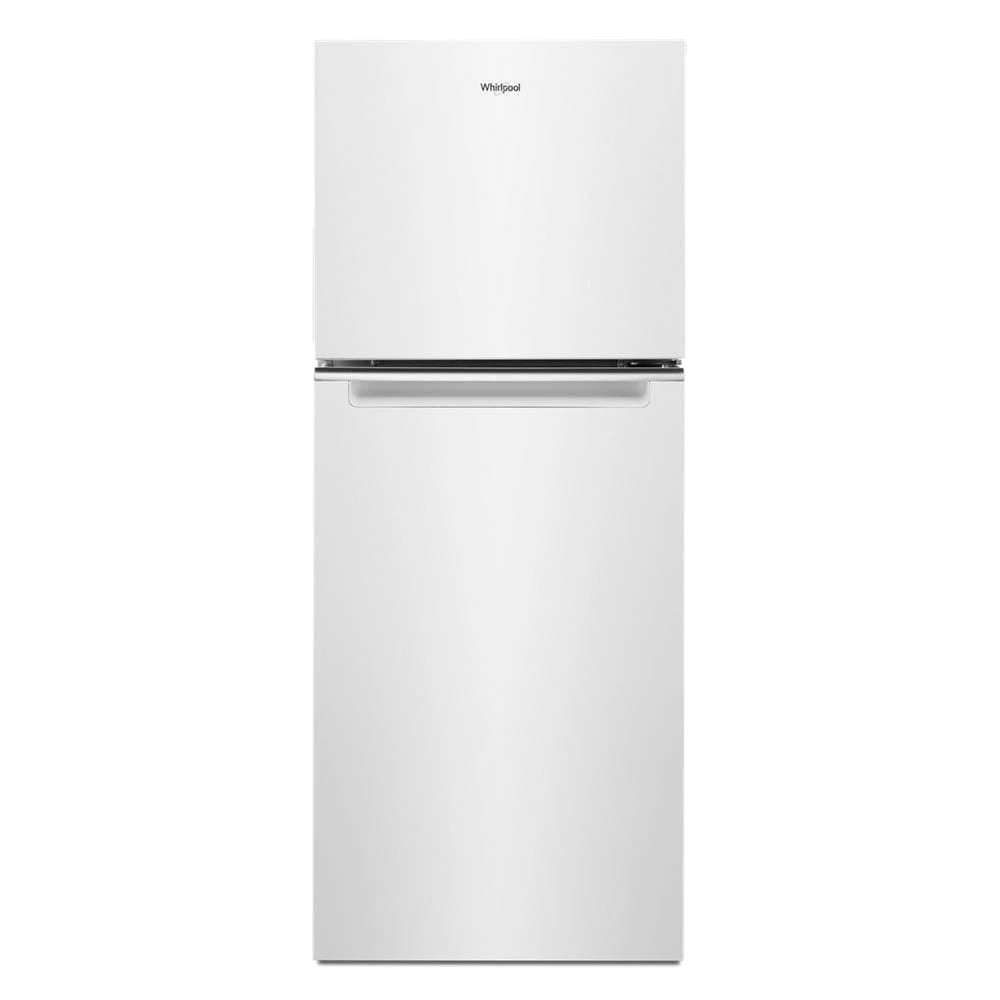
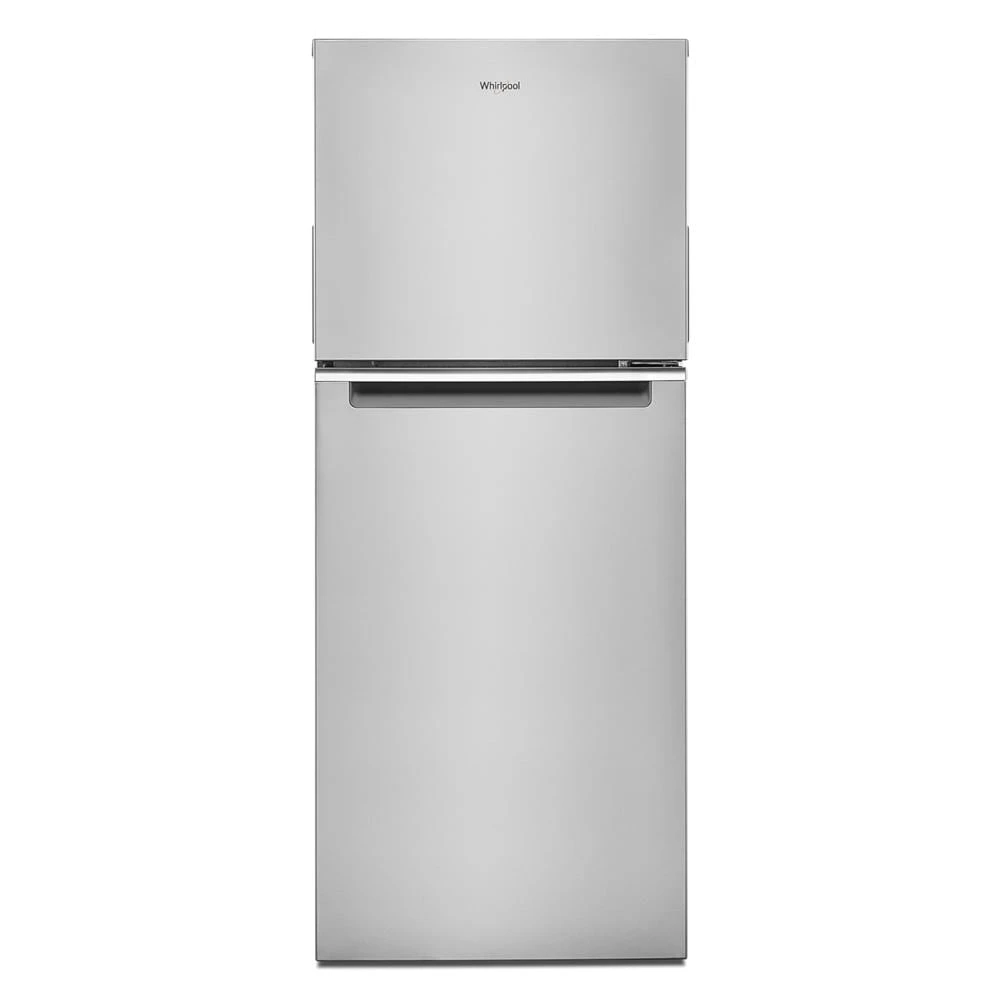
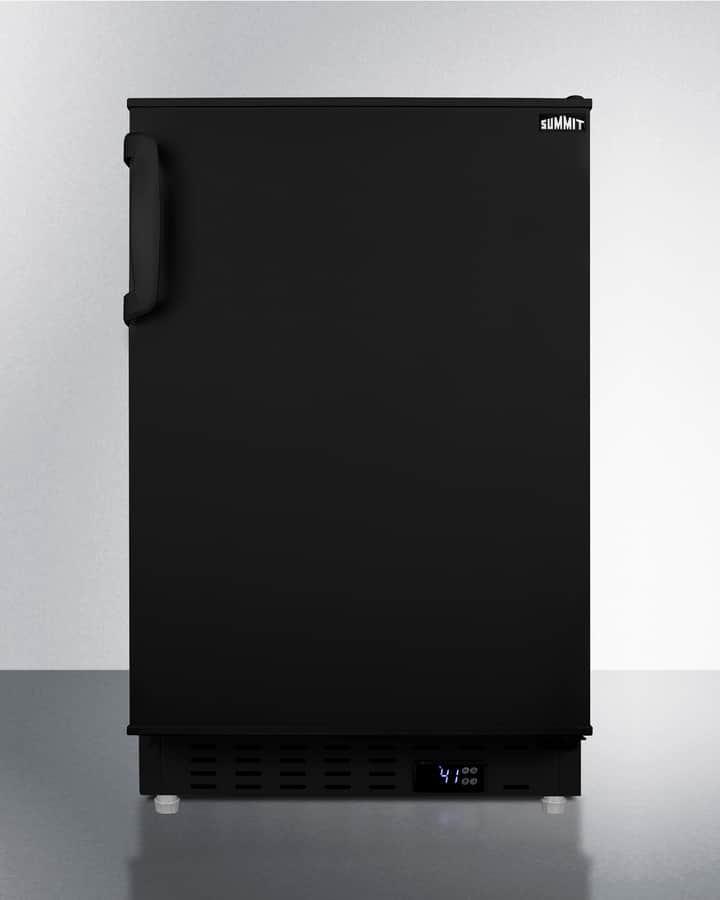

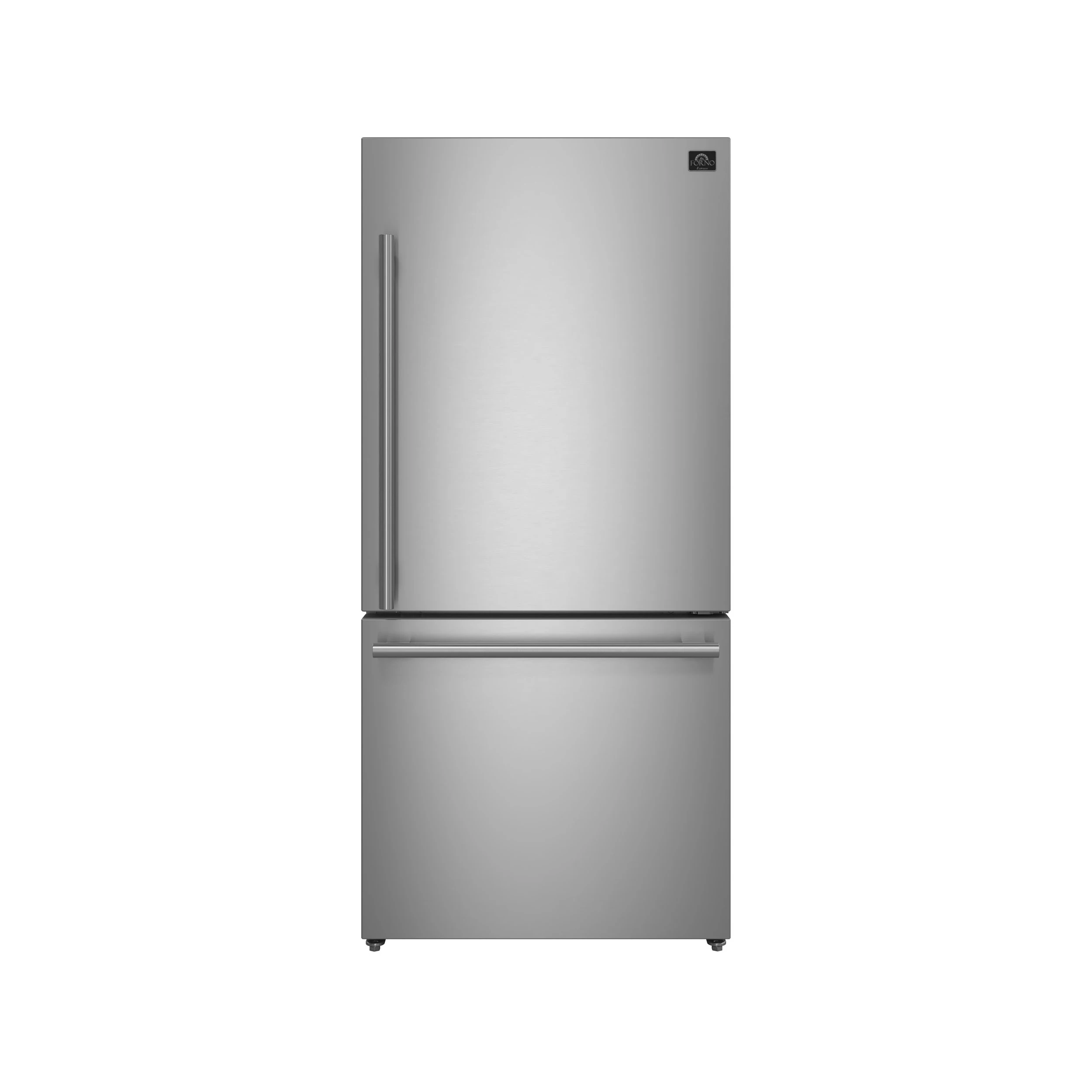
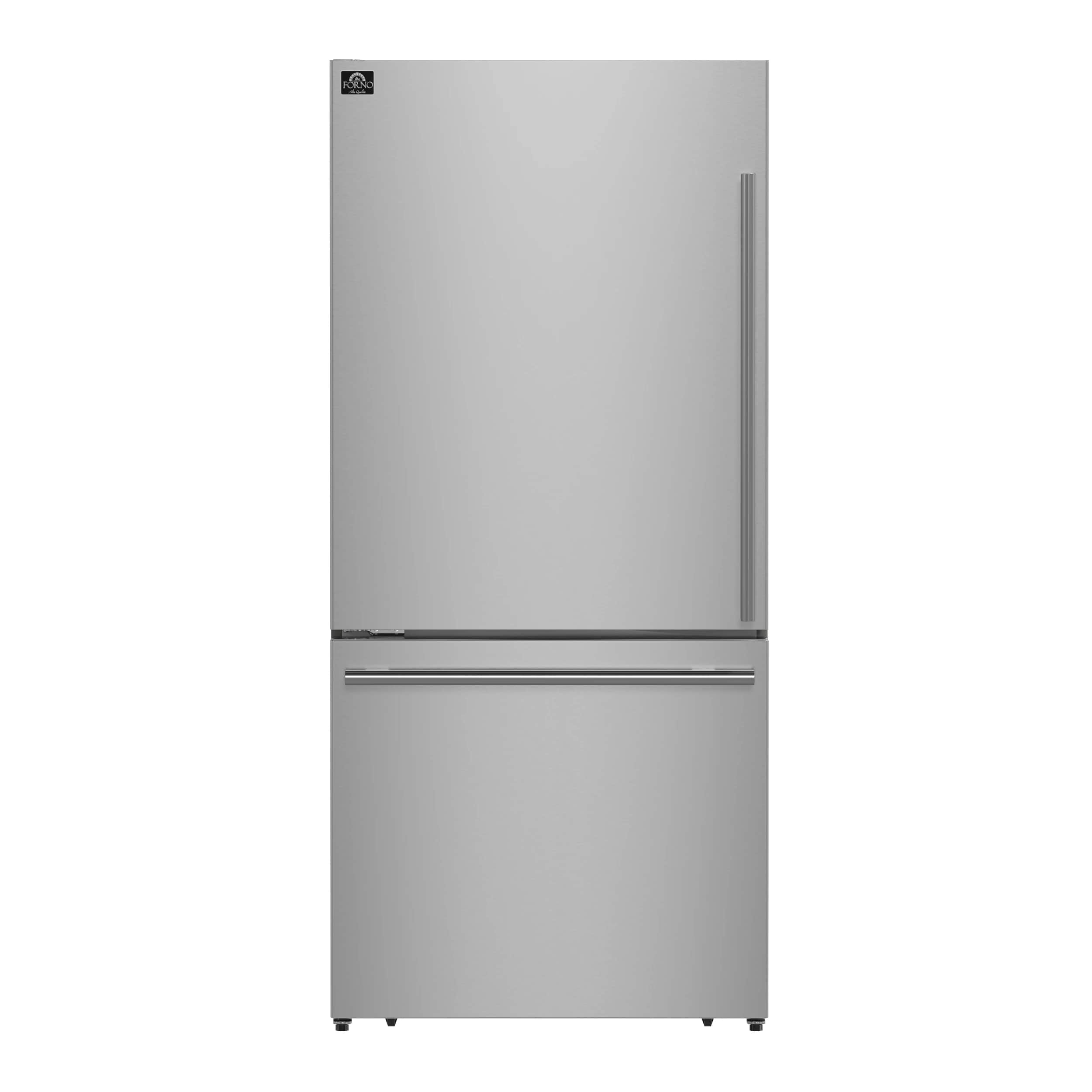
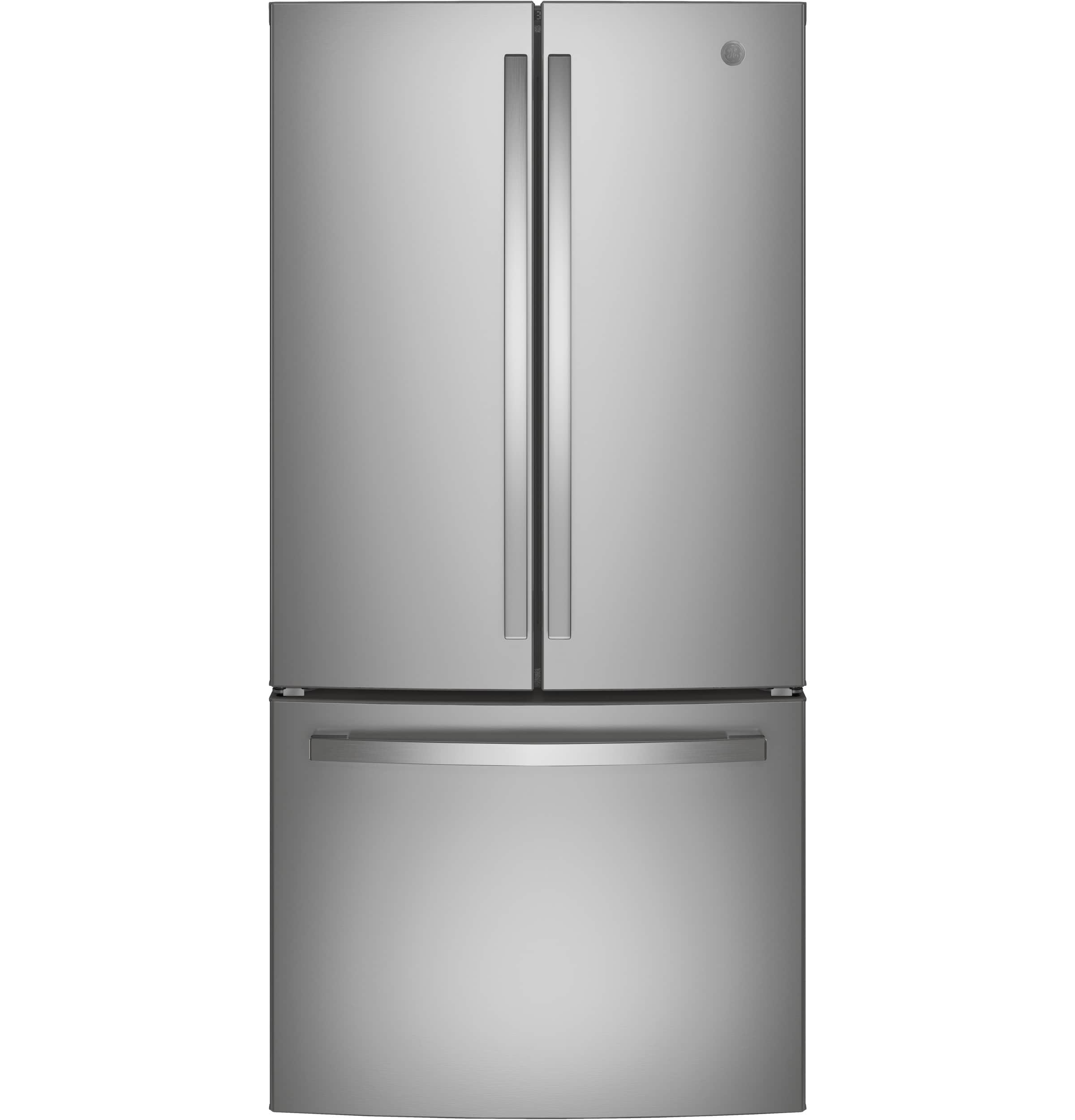
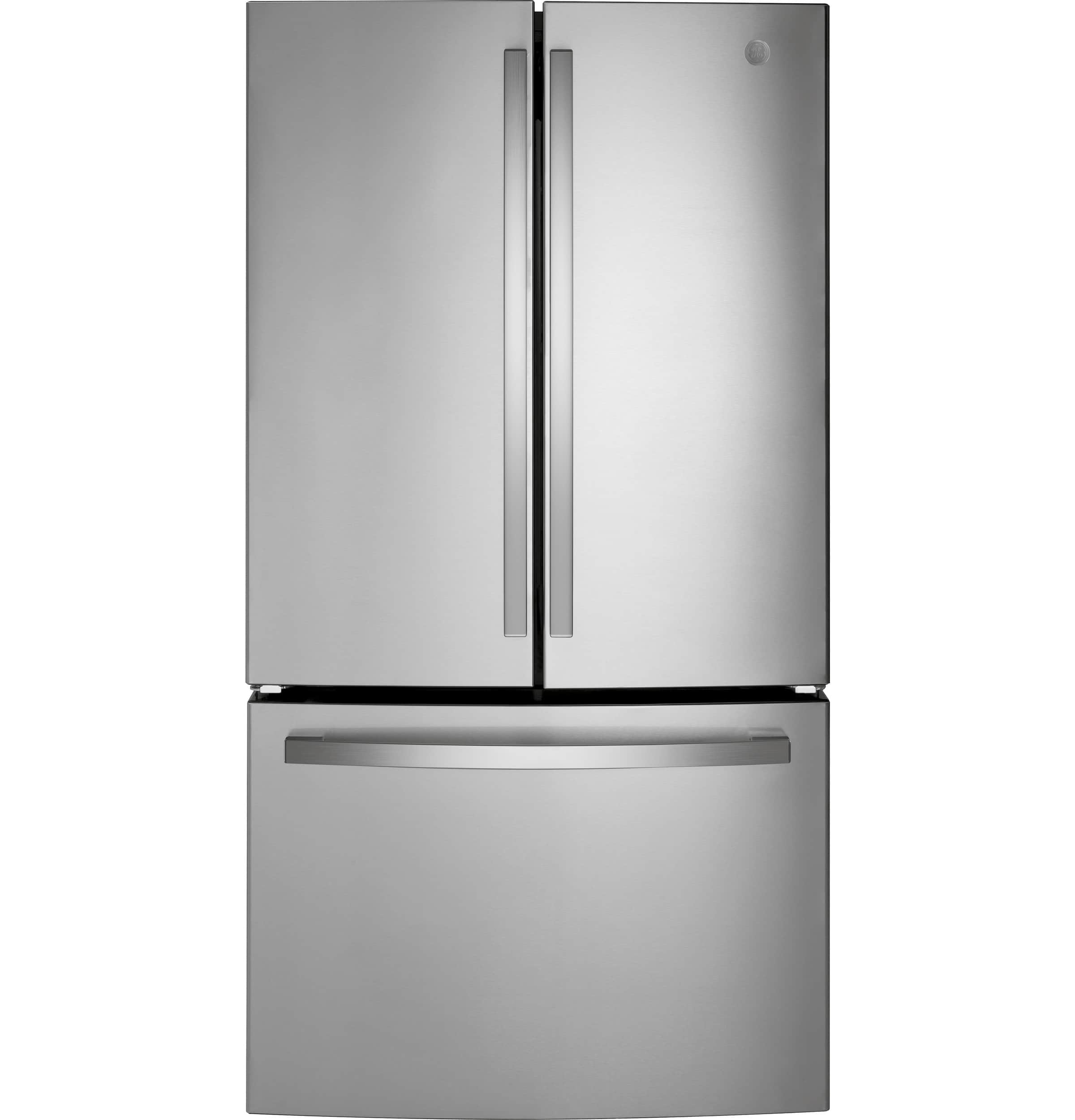
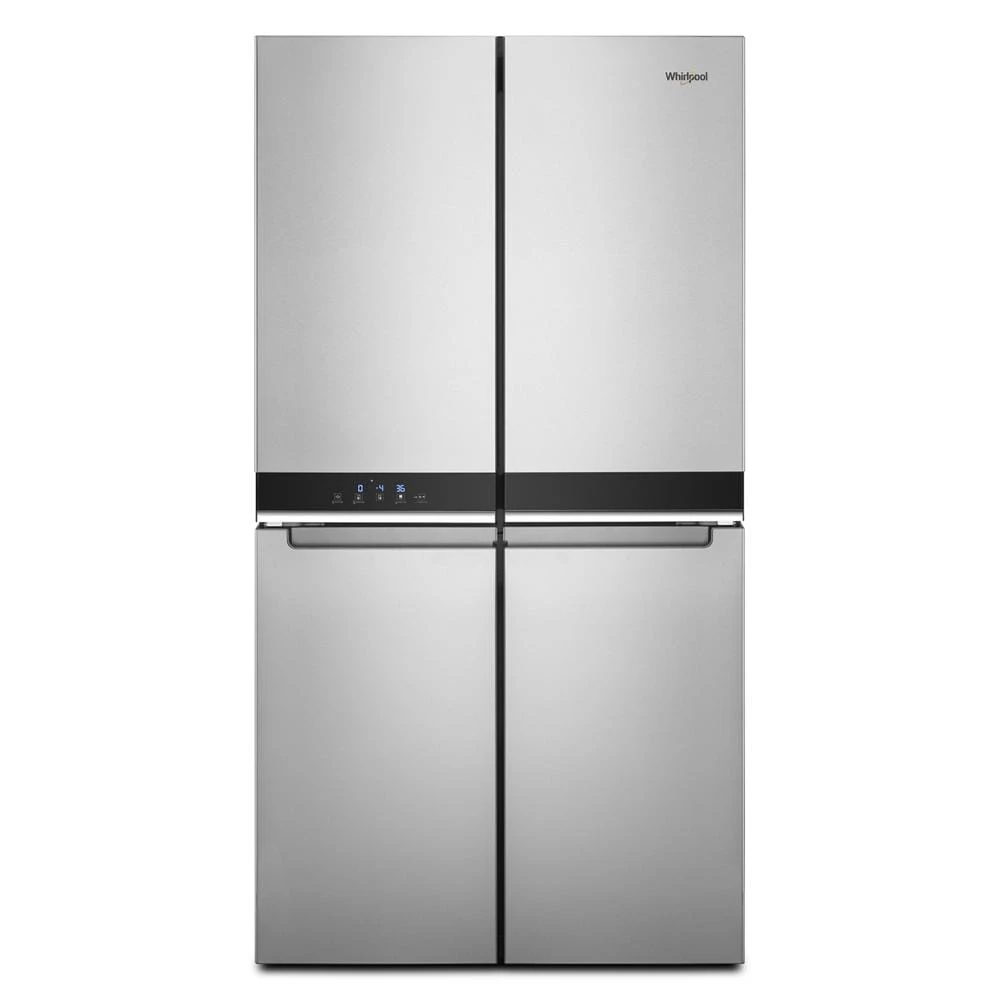
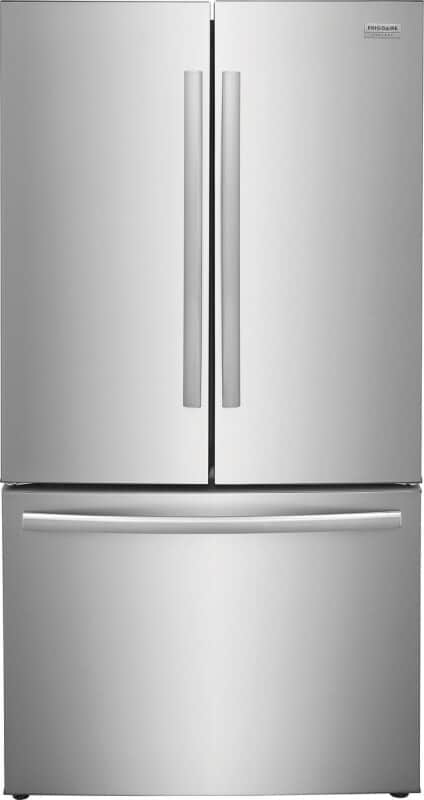
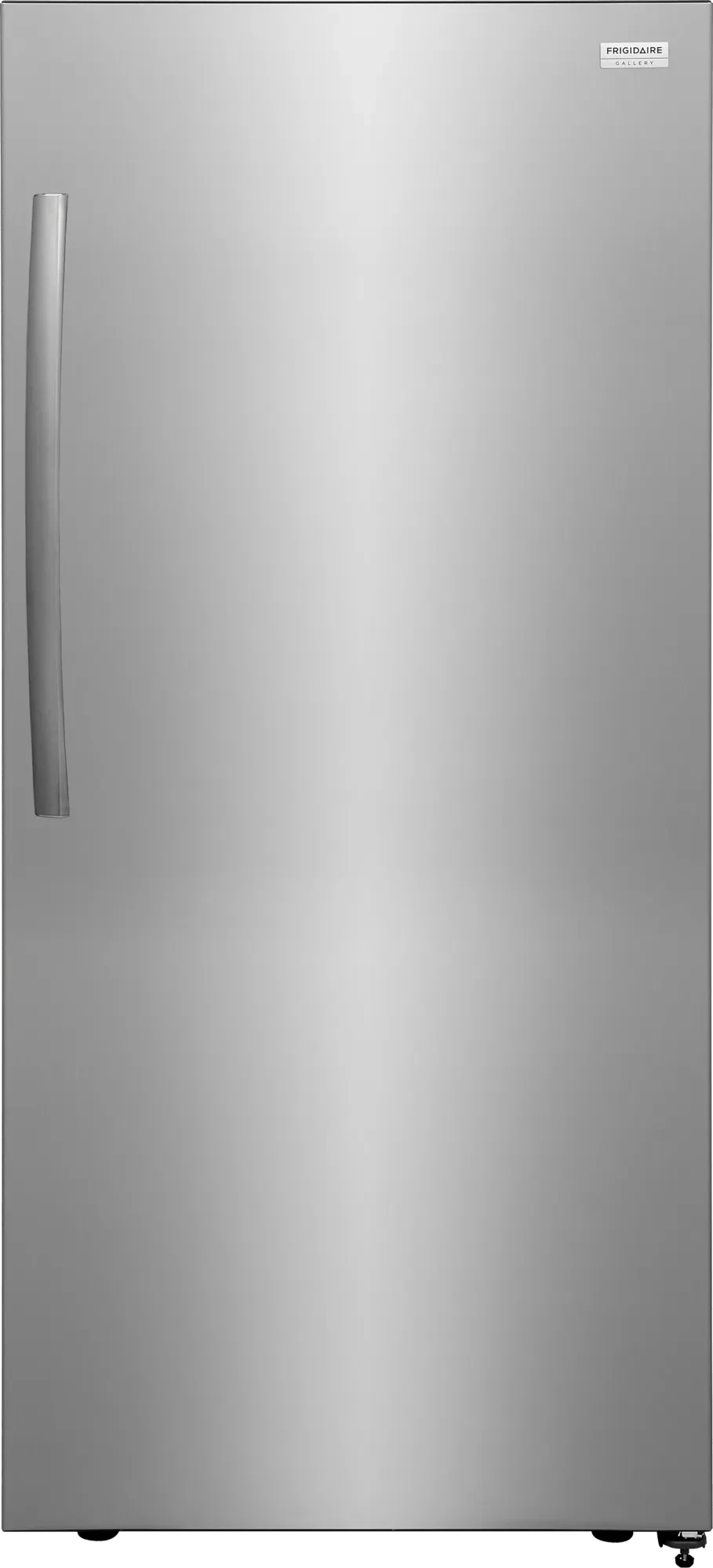
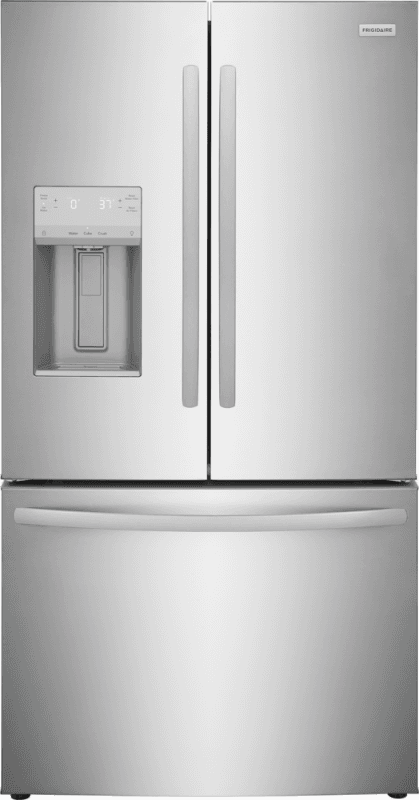
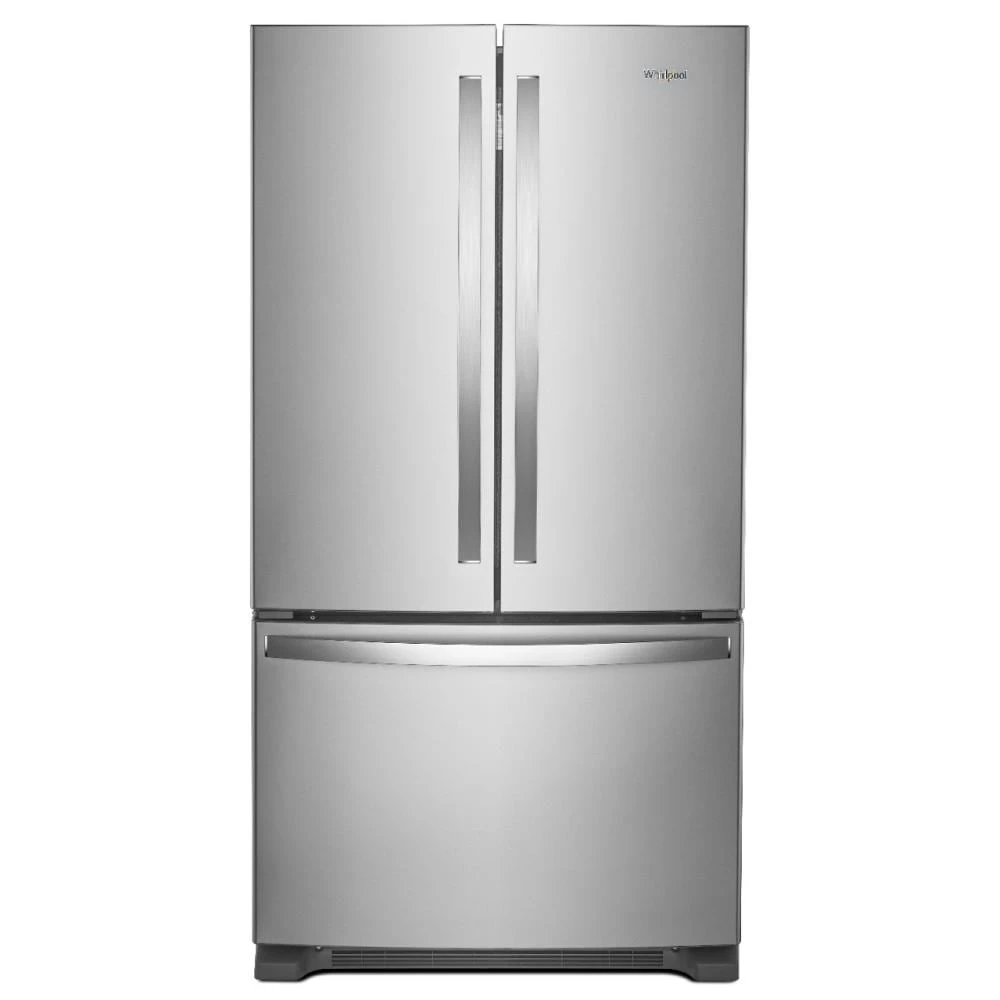
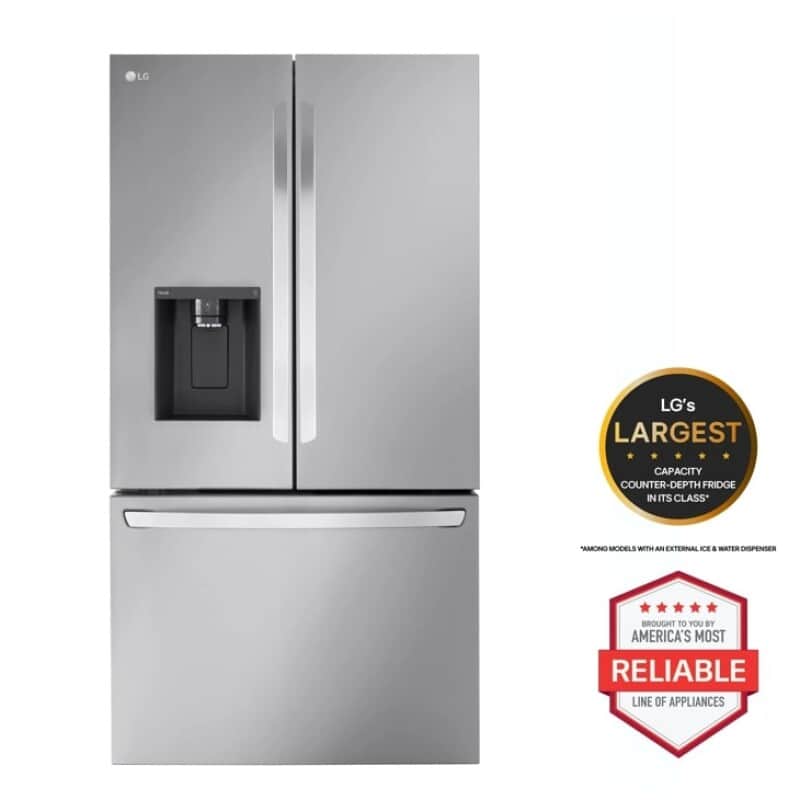
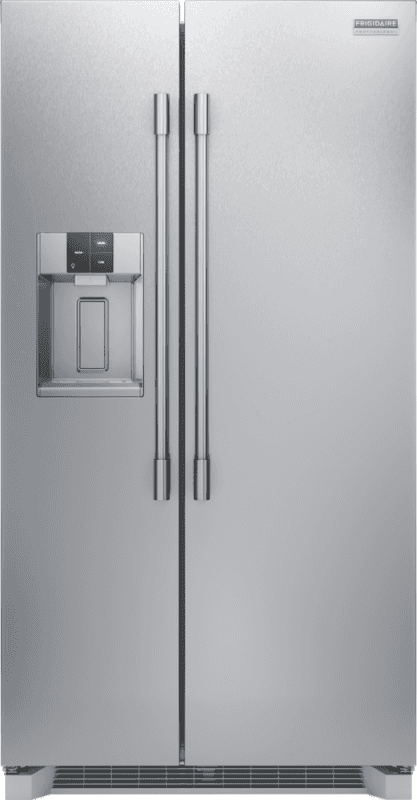
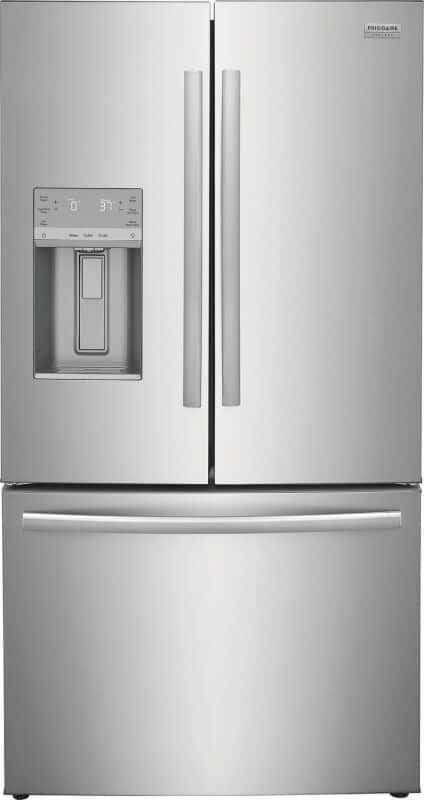
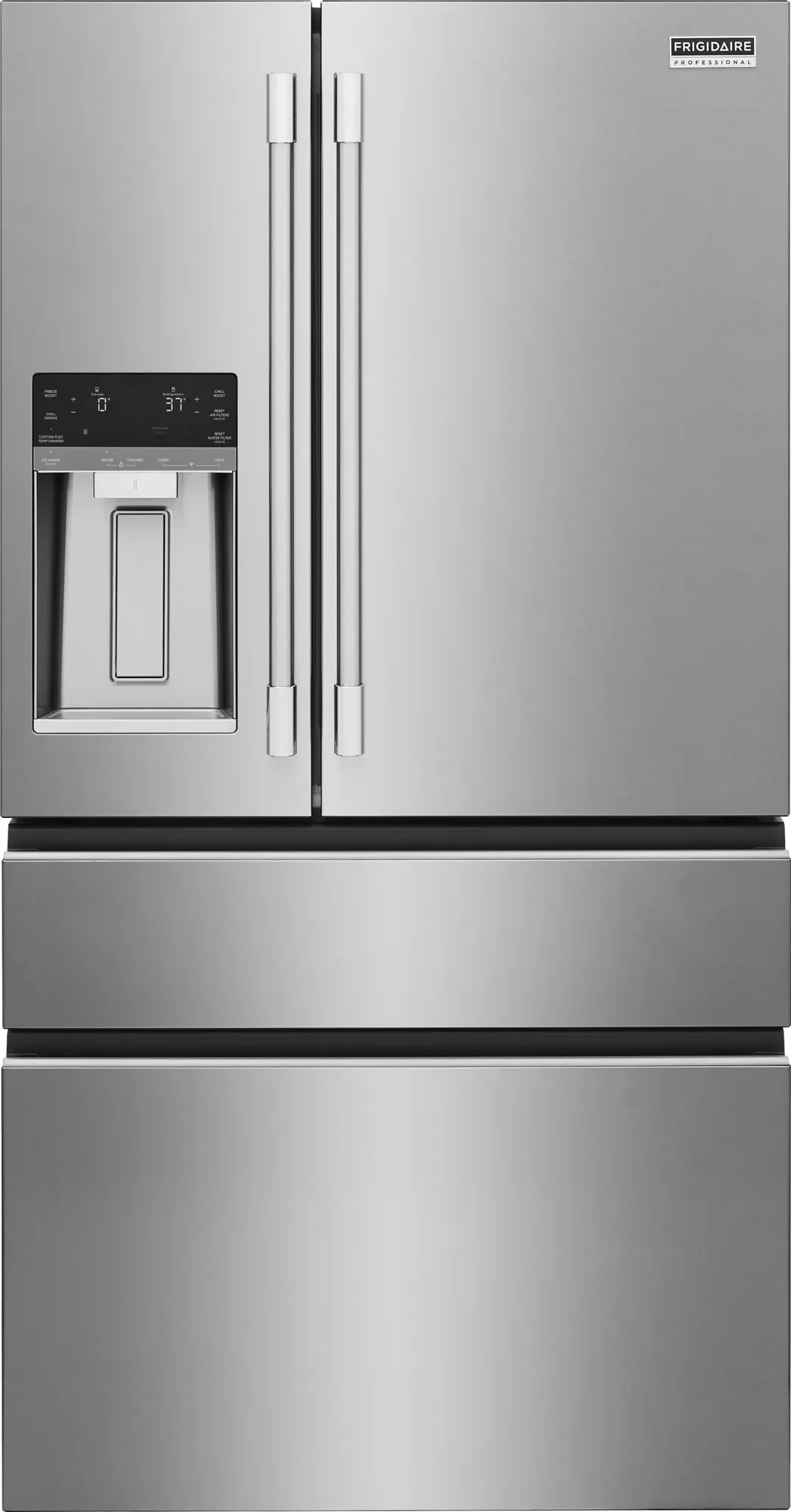
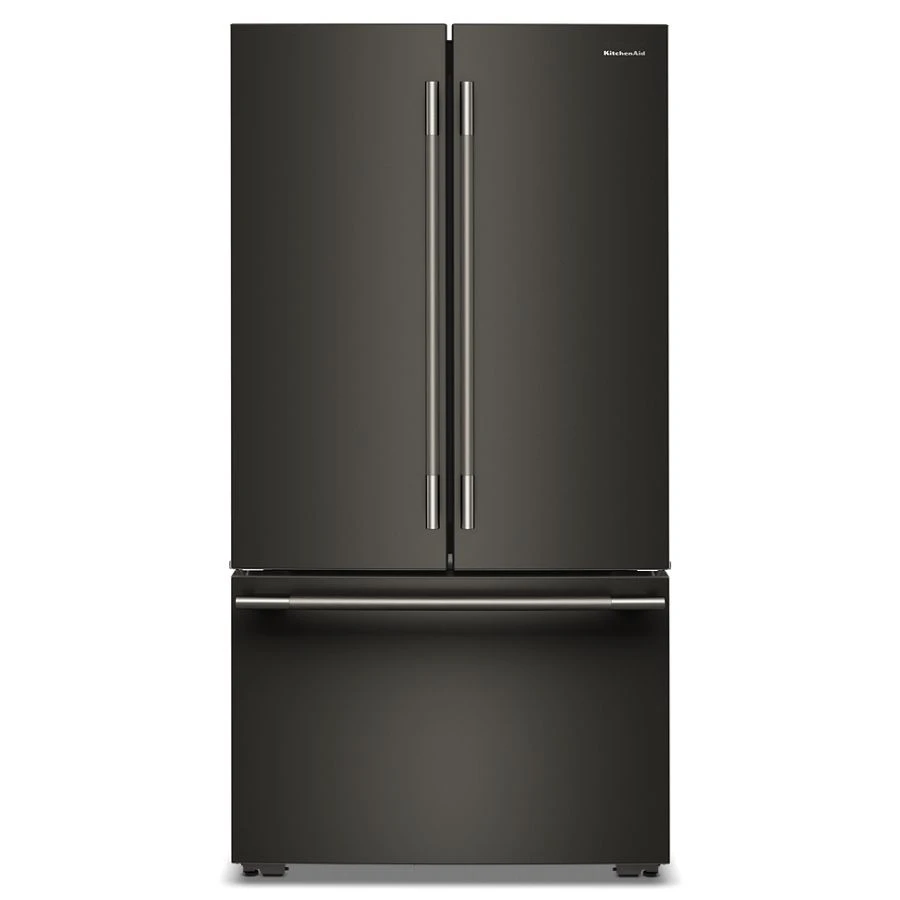
Common questions
- How deep is a counter-depth refrigerator?
- The case is built to sit close to flush with base cabinets, which are usually about 24 to 25 inches deep. Doors and handles project past that, so the same model is often published at one depth for the case, another with the doors and another with the handles (KitchenAid, Whirlpool). Check which figure the product page quotes before you plan the space.
- Do counter-depth refrigerators hold less than standard-depth ones?
- Yes. A shallower case holds less than a standard-depth case of the same width, and manufacturers often add width or height to the counter-depth version to recover part of it. Compare the cubic-foot capacity on each product page rather than assuming two models in the same class are equivalent.
- Is counter-depth the same as a built-in refrigerator?
- No. A built-in refrigerator is trimmed into the cabinetry and installed as fixed casework, usually with a custom panel. The counter-depth models on this page are freestanding refrigerators with a shallower case: they roll into an ordinary opening and need the clearances the installation instructions state.
- Do you deliver counter-depth refrigerators, and can you install one?
- We deliver from our Jackson, NJ warehouse. Delivery is free at $499 and above in the NJ/NY metro area, at $899 and above in the extended regional zone (CT, PA, DE, MD and the NY capital region) and at $1,999 and above nationwide, with a $199 flat rate below the national threshold. Enter your ZIP code at checkout for the rate that applies to your address; a few destinations we cannot reach are refused rather than quoted. Refrigerator Installation is available in the NJ/NY metro area for $89 (Position & Level; Connection to Existing Line Only) and is offered at checkout.
Other buying guides
- Quiet Dishwashers by Decibel Rating — What a dBA rating means and the dishwashers currently listed at 46 dBA or lower, sorted quietest first.
- Compact and 18-Inch Dishwashers — 18-inch versus 24-inch cutouts, what compact capacity means, and the compact dishwashers currently listed.
- Stackable Washers and Dryers — What stacking requires — matching pair, stacking kit, venting — and the stackable laundry currently listed.
- Air Conditioner Sizing: BTU by Room Size — The ENERGY STAR BTU-to-square-feet chart and the room air conditioners currently listed at each capacity.