Air Conditioner Sizing: BTU by Room Size
How many BTU per hour a room needs, straight from the ENERGY STAR sizing table — and the units we list at each capacity.
212 matching models currently listed · Browse all air conditioners
Start with the floor area
Multiply the room's length by its width to get the square footage, then read the capacity off ENERGY STAR's room air conditioner sizing table (reproduced below for the capacity bands this page uses). The table is short: 150 square feet takes about 5,000 BTU per hour, 450 square feet about 10,000, and 700 square feet about 14,000.
ENERGY STAR states four adjustments to that figure, and they are worth applying before you buy. Reduce capacity by 10 percent for a heavily shaded room and increase it by 10 percent for a very sunny one. Add 600 BTU for each person beyond two who regularly occupies the room. Add 4,000 BTU if the unit is cooling a kitchen.
Bigger is not safer
Oversizing is the common mistake and it has a real cost. ENERGY STAR is direct about it: an oversized air conditioner costs more to purchase, wastes energy and does not provide better cooling. The reason it gives is humidity — a unit that is too large cools the room before it has a chance to remove the moisture, so the room is left feeling damp and clammy. Sizing to the table, adjusted for sun, occupancy and kitchen heat, beats rounding up.
Window, through-the-wall, and casement or slider
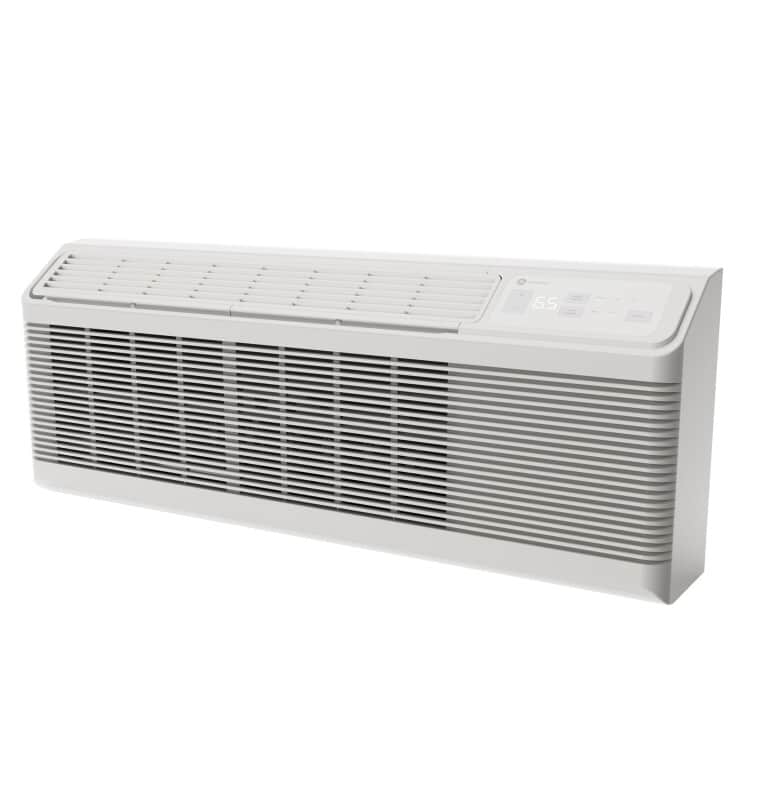
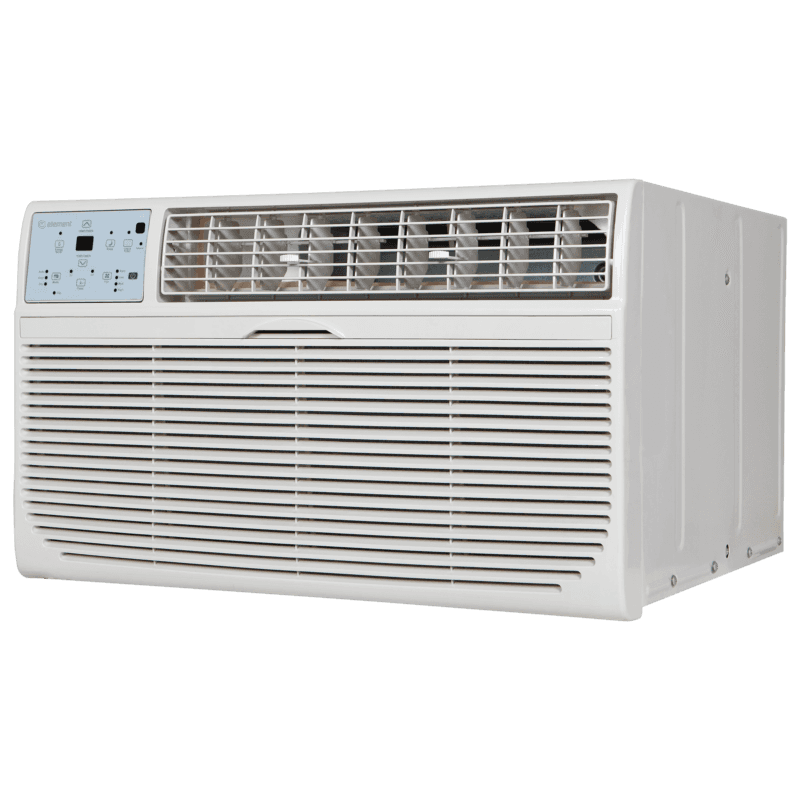
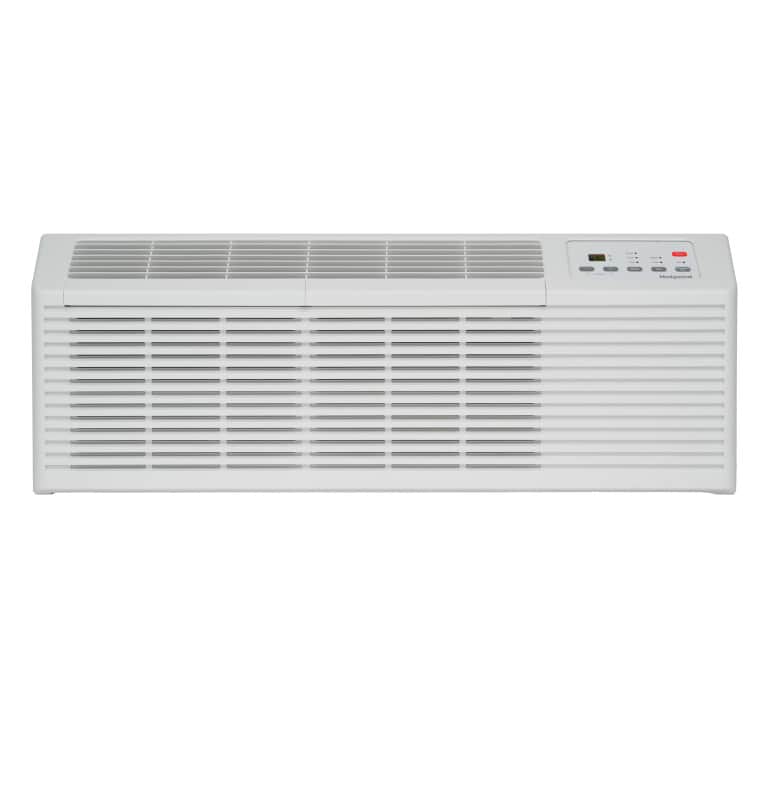
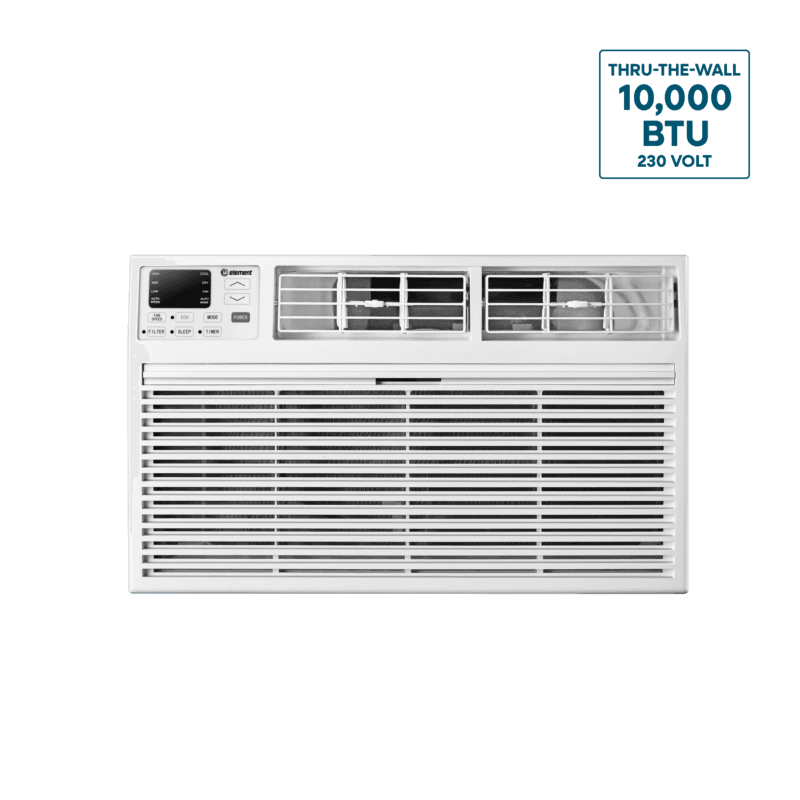
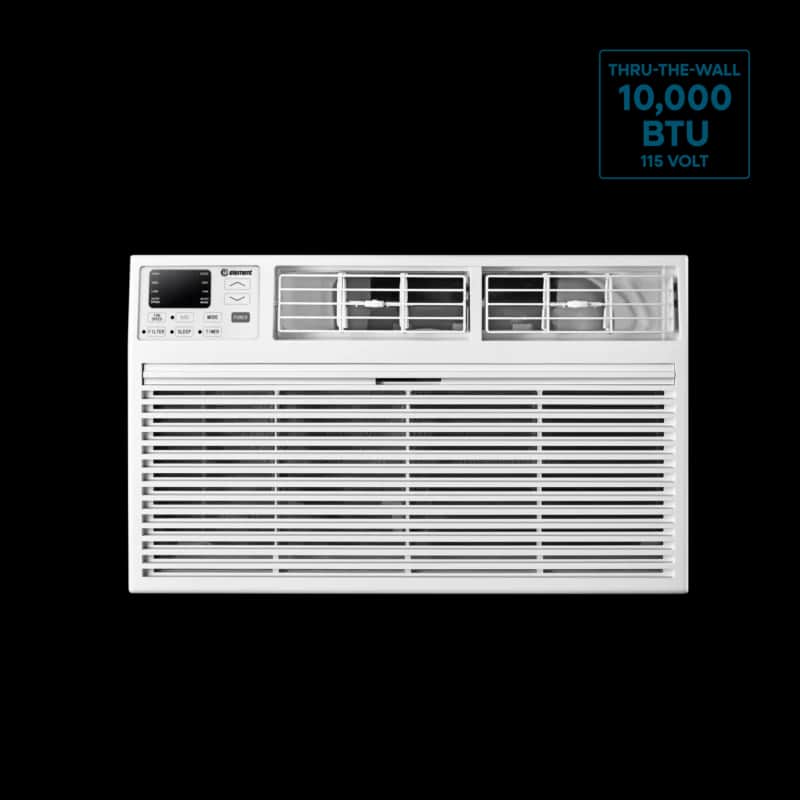
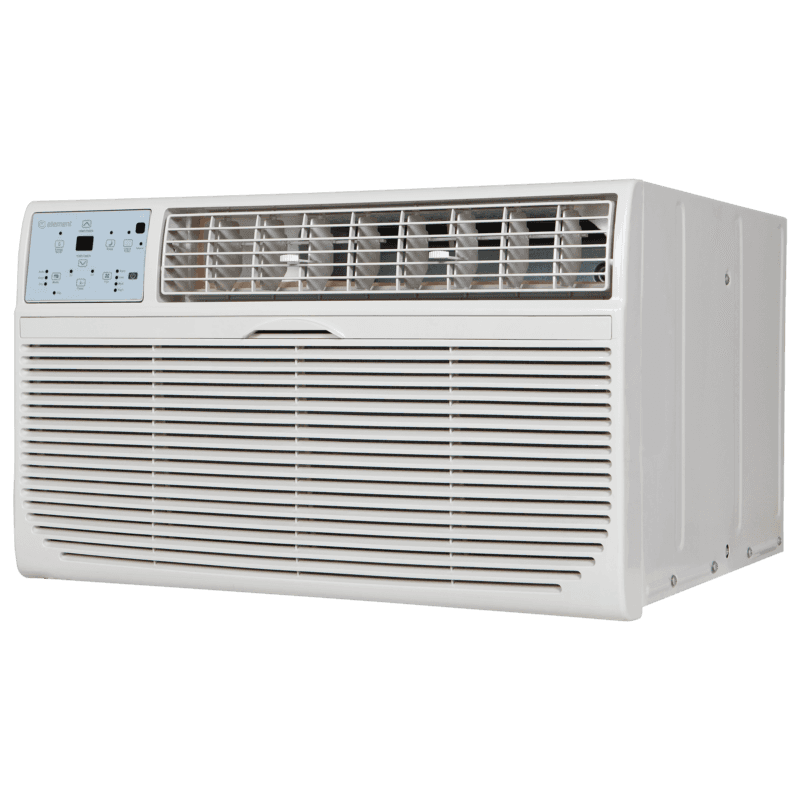
The ENERGY STAR Program Requirements for Room Air Conditioners define a room air conditioner as an encased assembly designed for mounting in a window or through the wall, and separate the two by the sides of the cabinet: a through-the-wall unit is defined there as a room air conditioner without louvered sides — the exterior side vents that move air over the outdoor coil — and the document notes those units are also called built-in. A window unit's sides are vents; a through-the-wall unit's are not, which is why the two are not interchangeable.
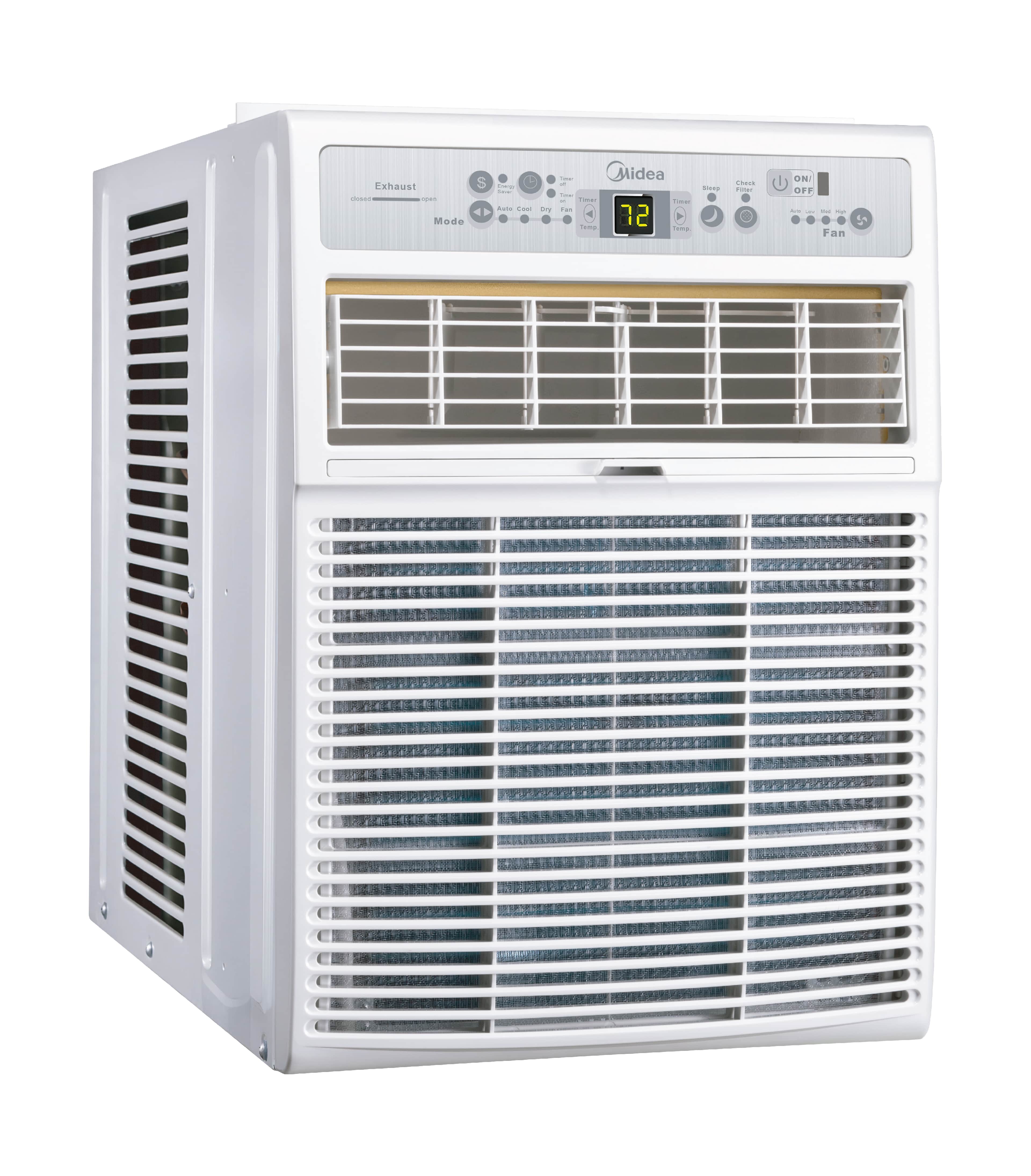
The same document defines the casement classes by size. A casement-only unit is an encased assembly 14.8 inches wide or less and 11.2 inches high or less; a casement-slider unit is 15.5 inches wide or less and is built for a sliding or casement window. Those are the width and height limits the standard sets for that window type, and the models we list whose name states casement or slider have their own section at the bottom of this page.
One note on how we band these units. Where a model name carries two capacity figures (“10,000 BTU (6,000 DOE)”) we read the smaller — we would rather understate the room a unit covers than oversell it. Units whose name states no capacity are not banded at all; their rating is on the spec sheet, and the category page lists them.
| Capacity (BTU/hr) | Room size it covers |
|---|---|
| 5,000 | up to about 150 sq ft |
| 6,000 | up to about 250 sq ft |
| 8,000 | up to about 350 sq ft |
| 10,000 | up to about 450 sq ft |
| 12,000 | up to about 550 sq ft |
| 14,000 | up to about 700 sq ft |
| 18,000 | up to about 1,000 sq ft |
| 24,000 | up to about 1,500 sq ft |
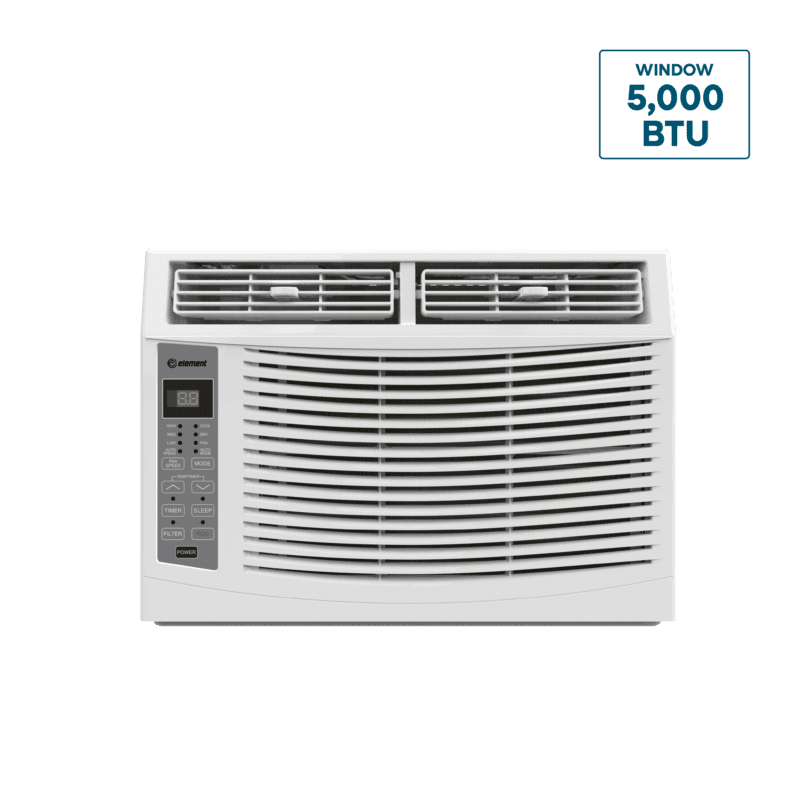
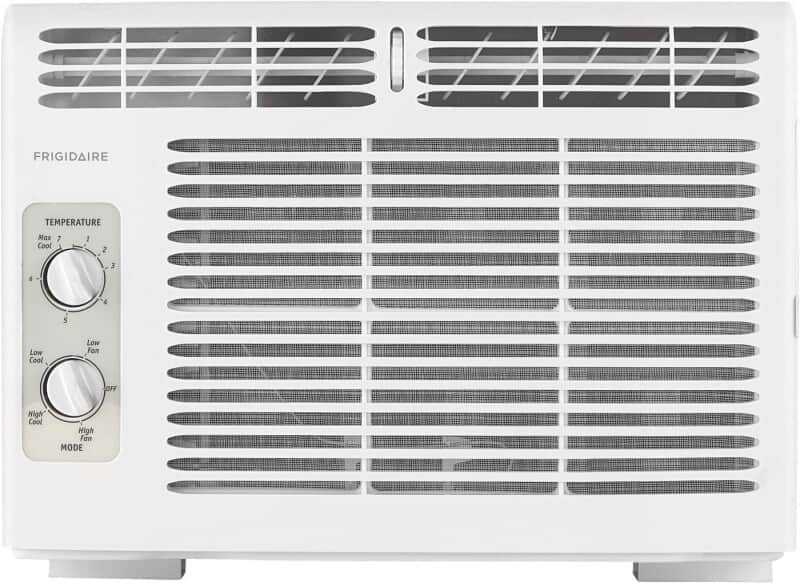
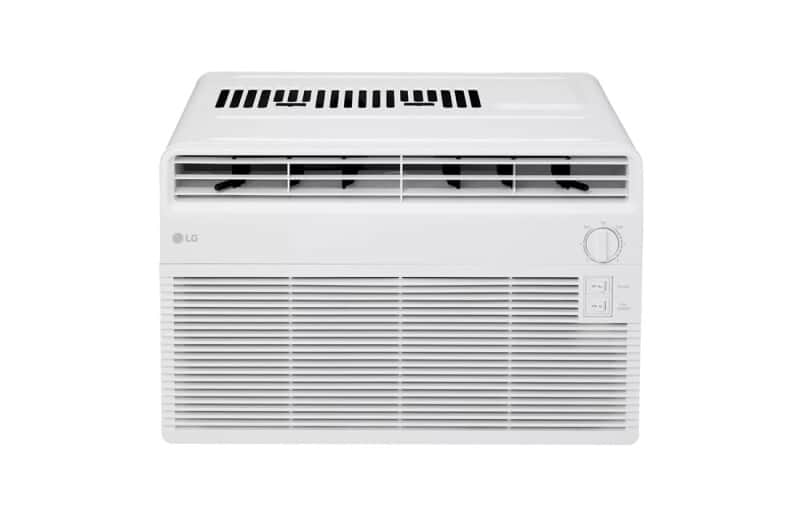
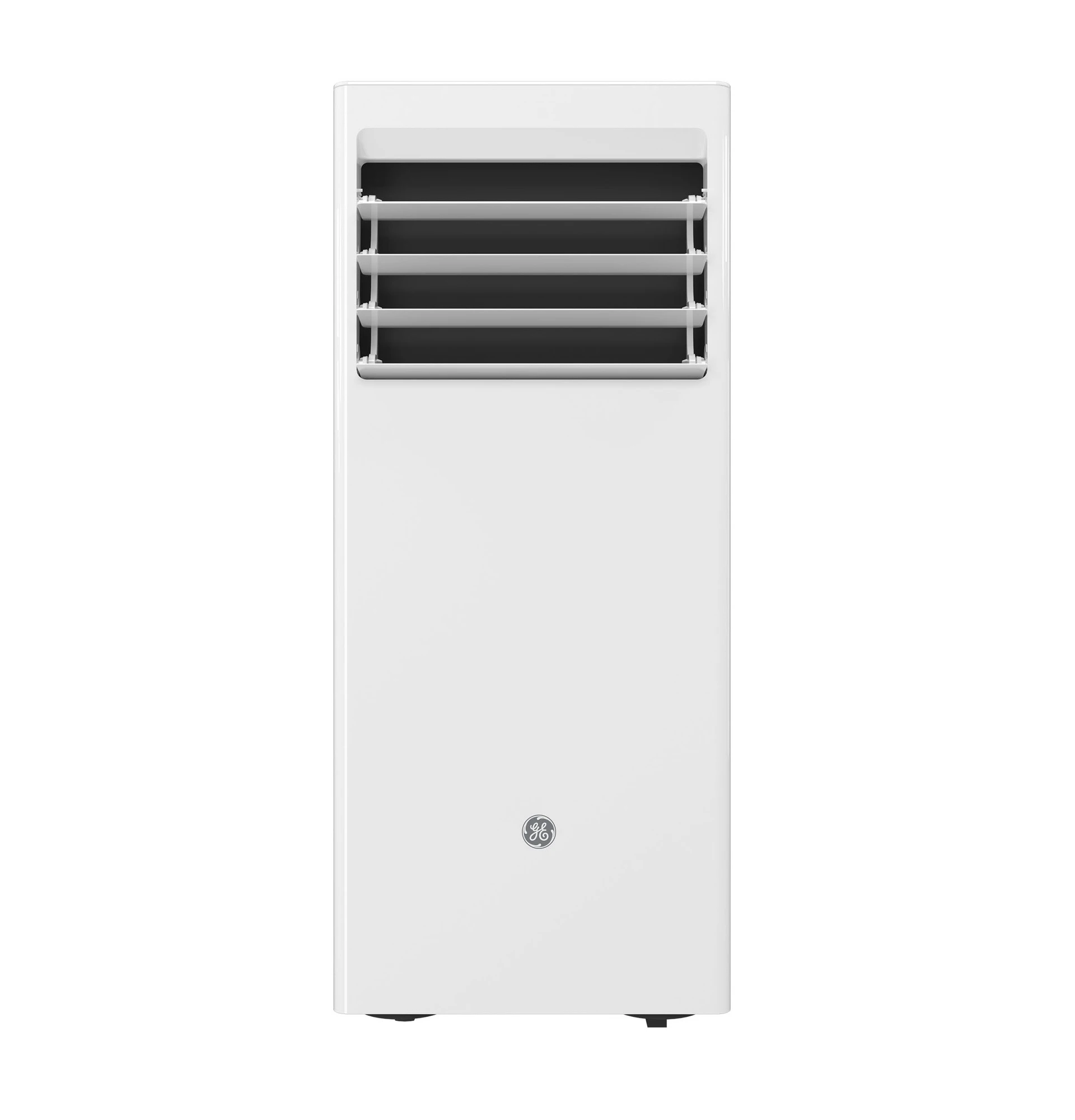
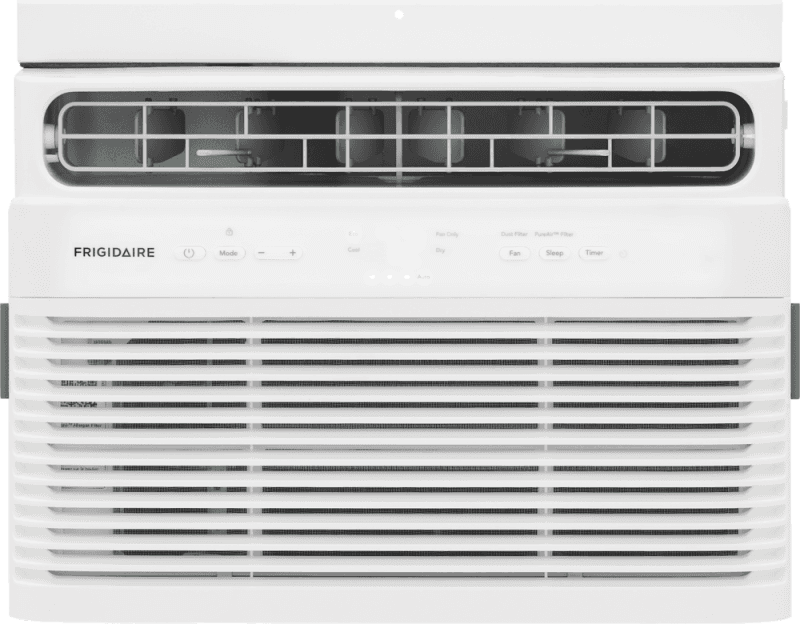
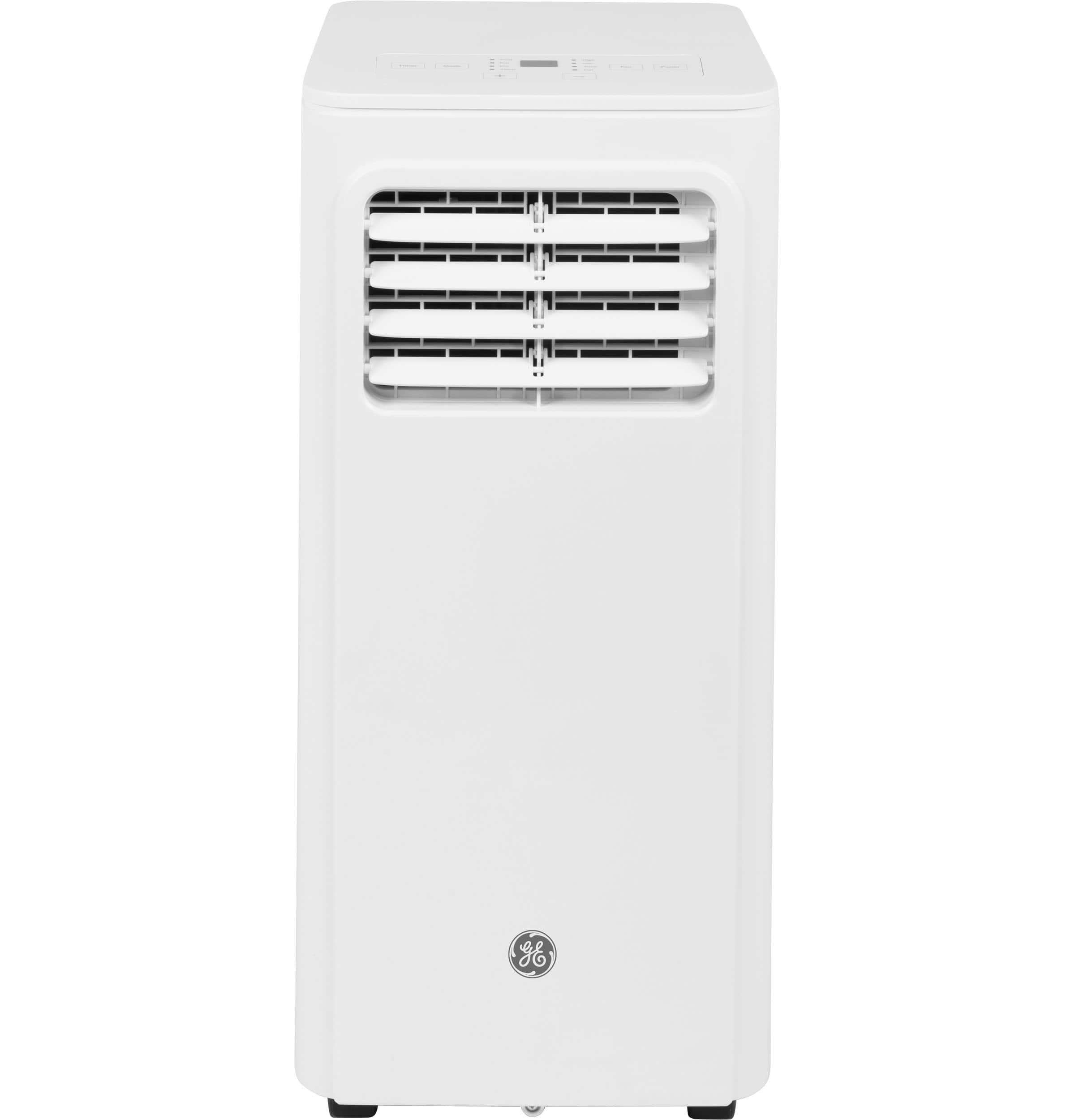
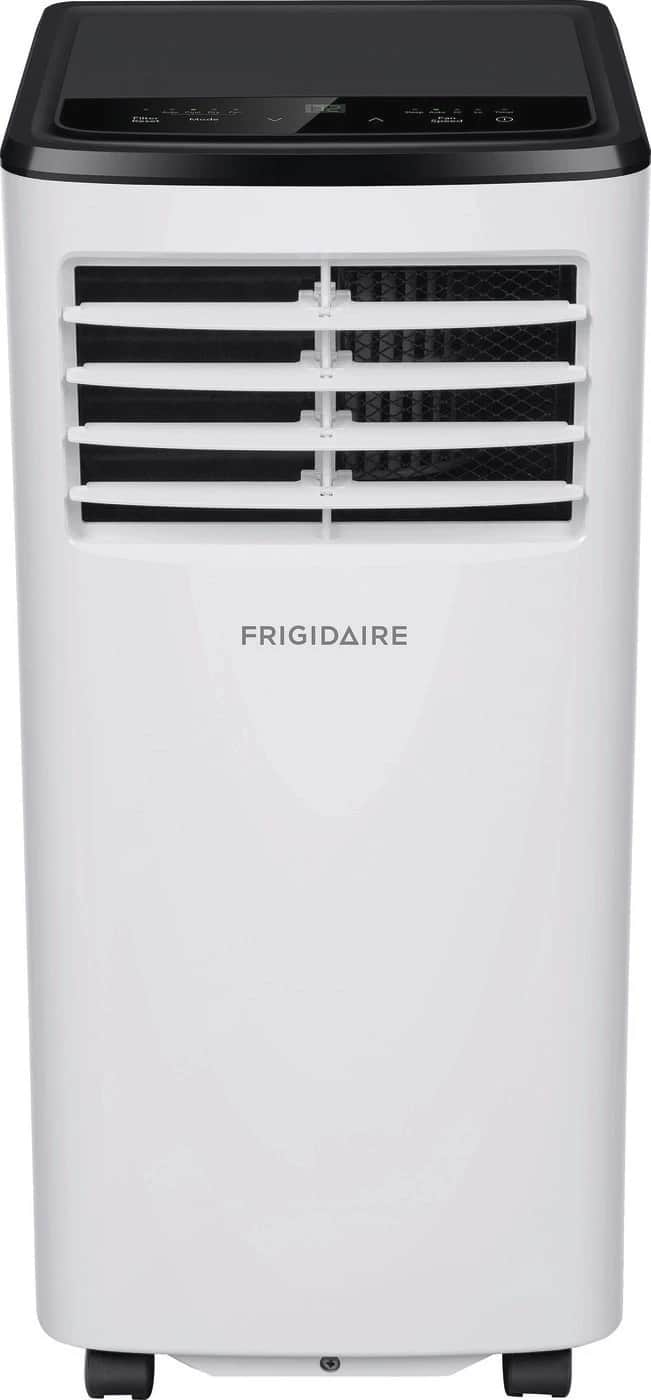
5,000–5,999 BTU
7 listedENERGY STAR's sizing table puts 5,000 BTU/hr at rooms up to about 150 sq ft.
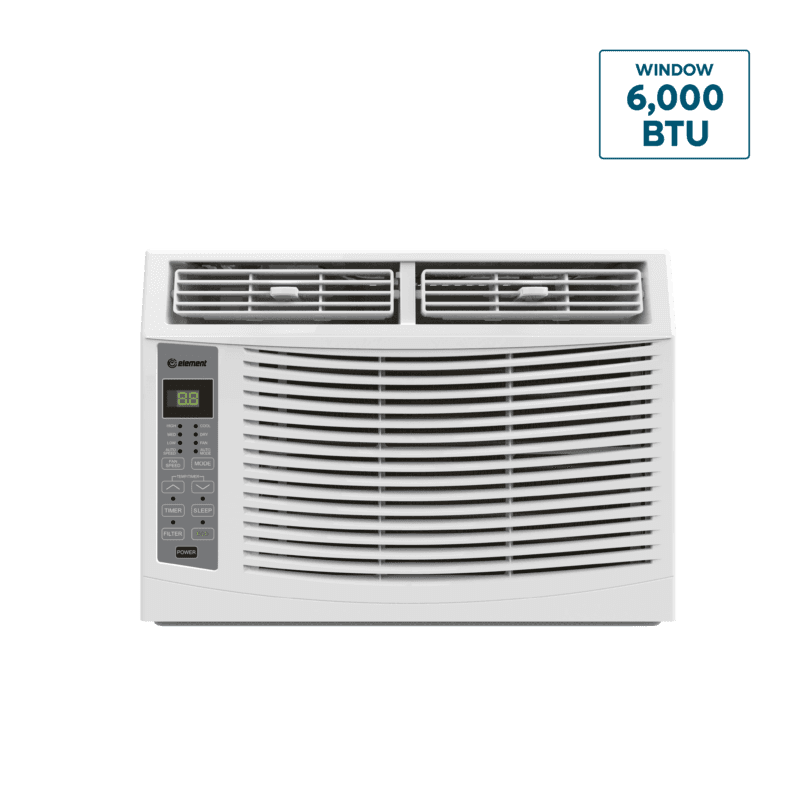
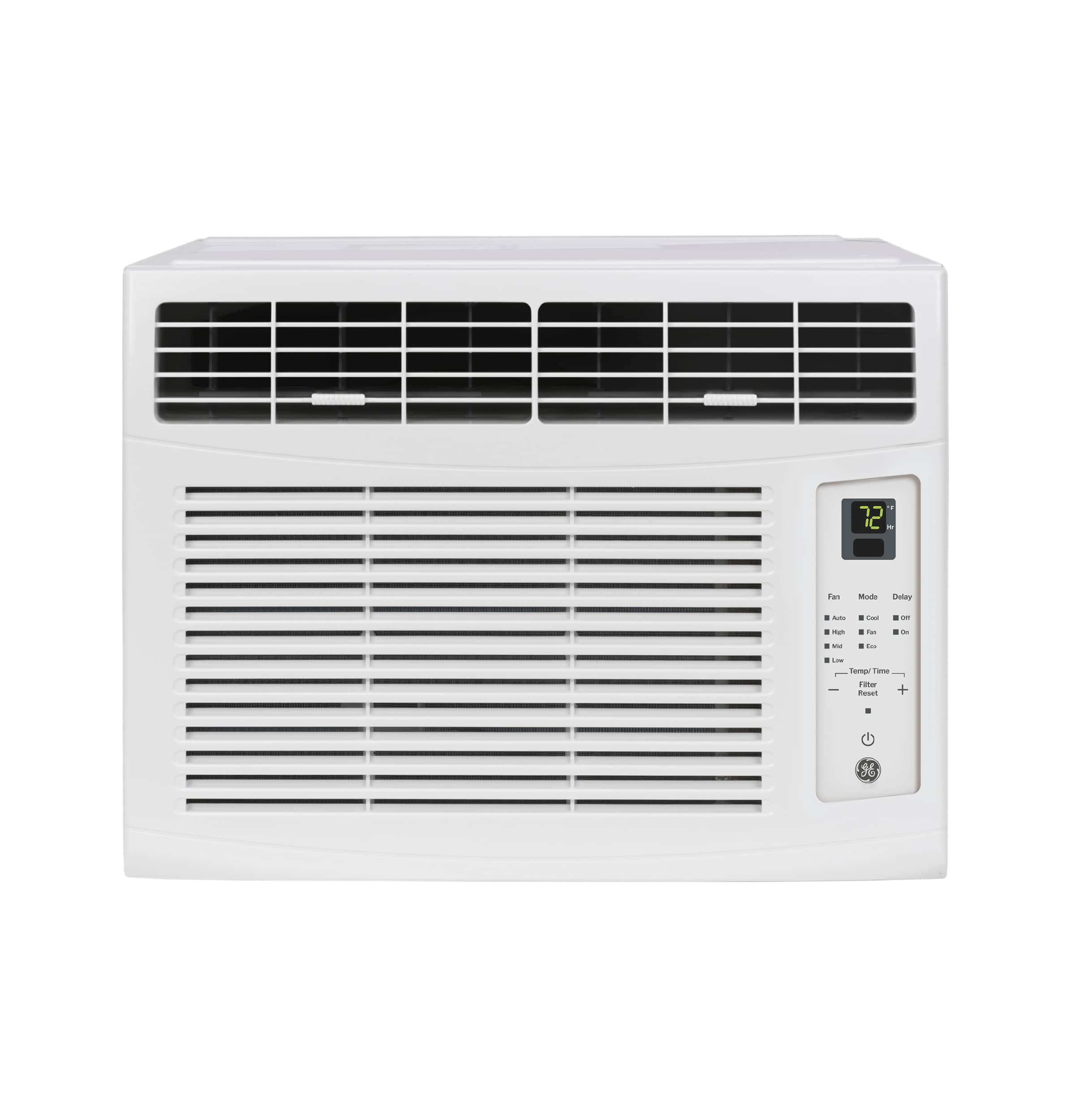
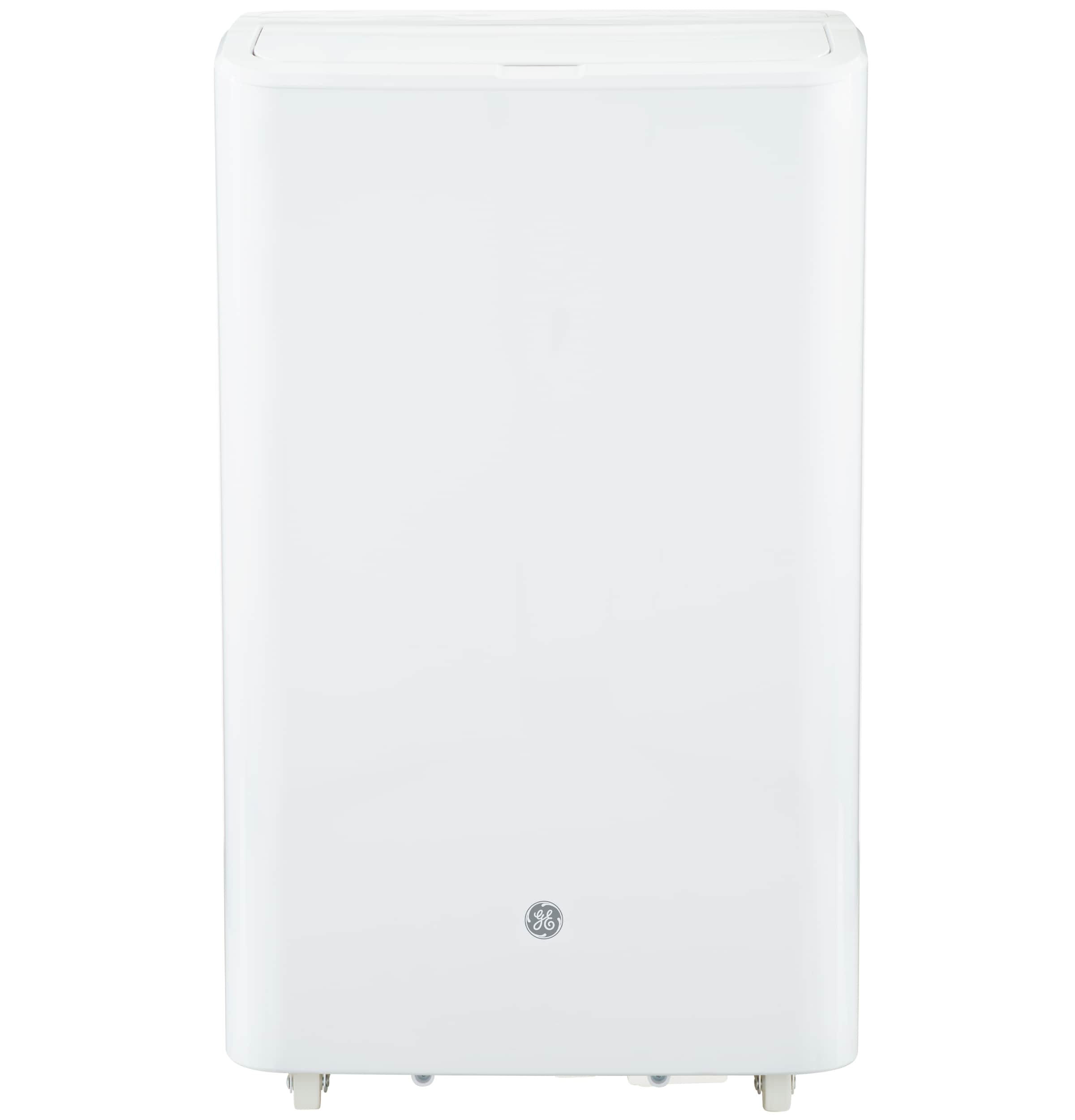
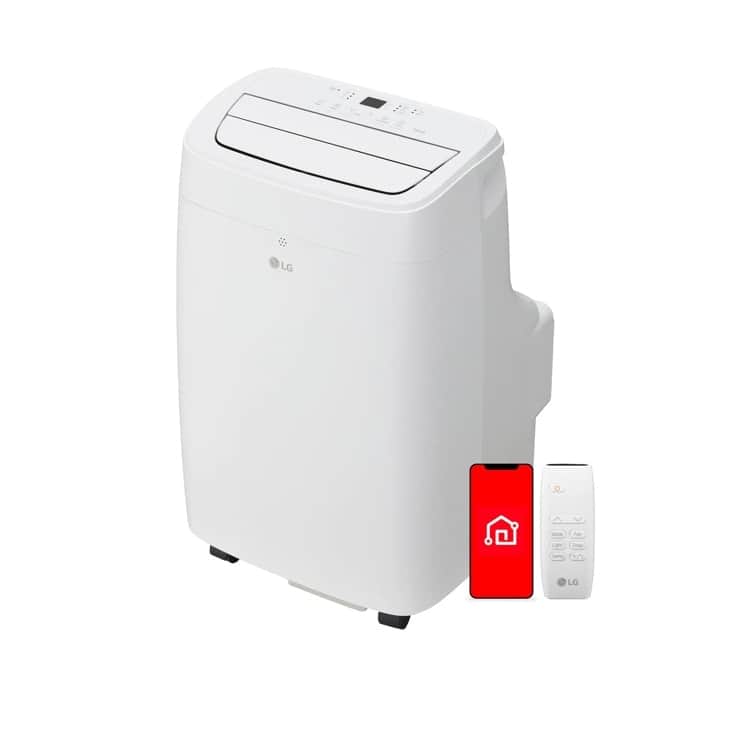
6,000–7,999 BTU
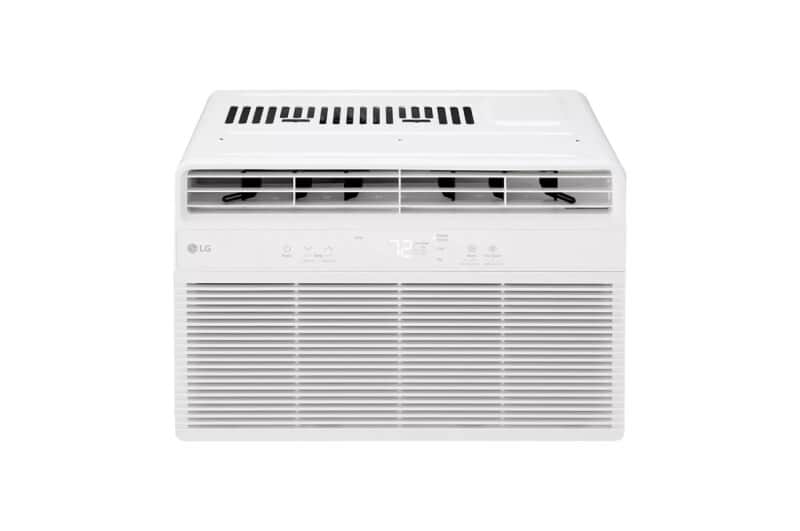
18 listedENERGY STAR's sizing table puts 6,000 BTU/hr at rooms up to about 250 sq ft.
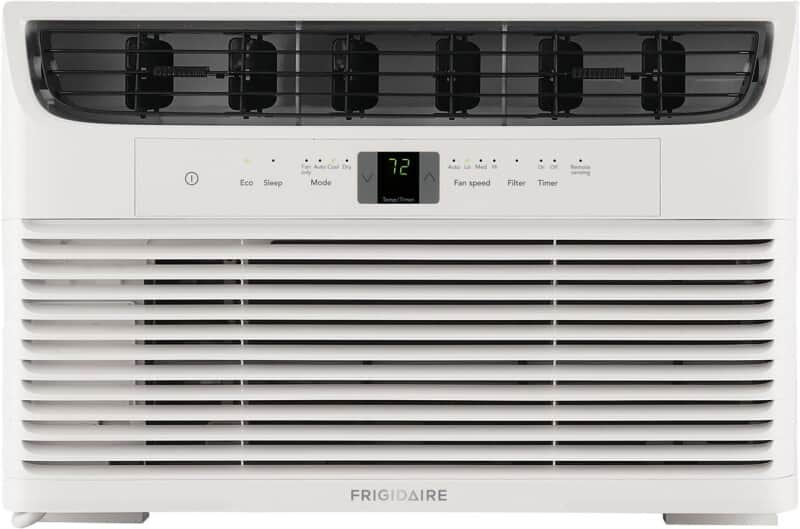
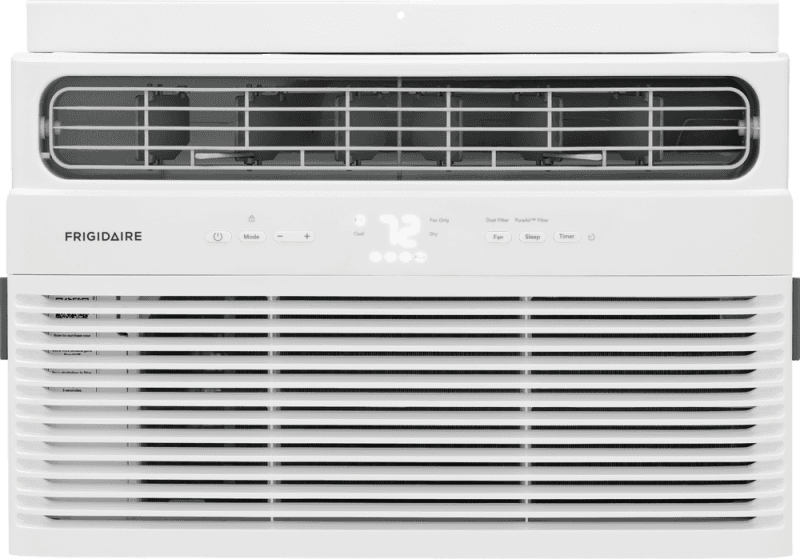
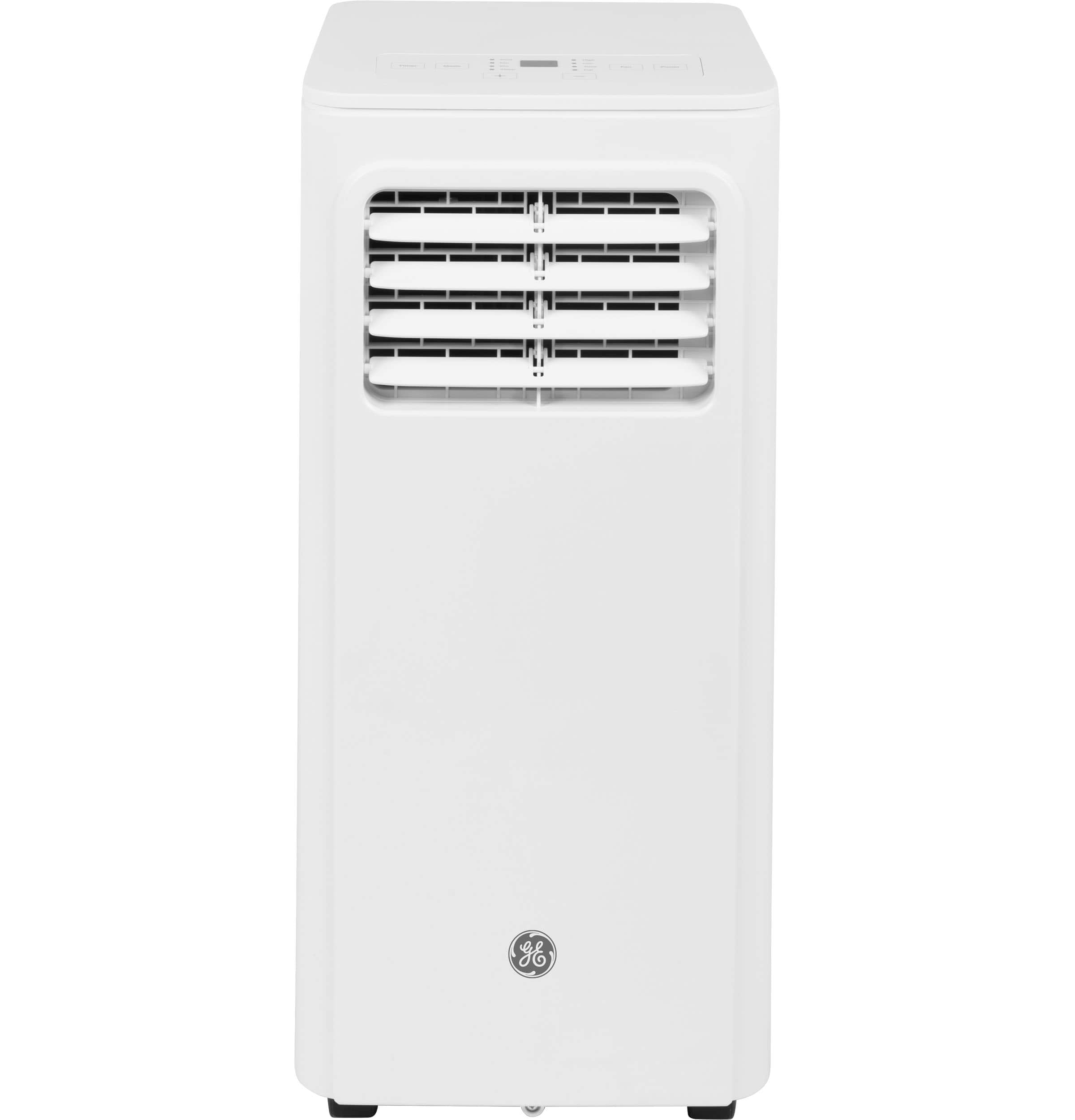
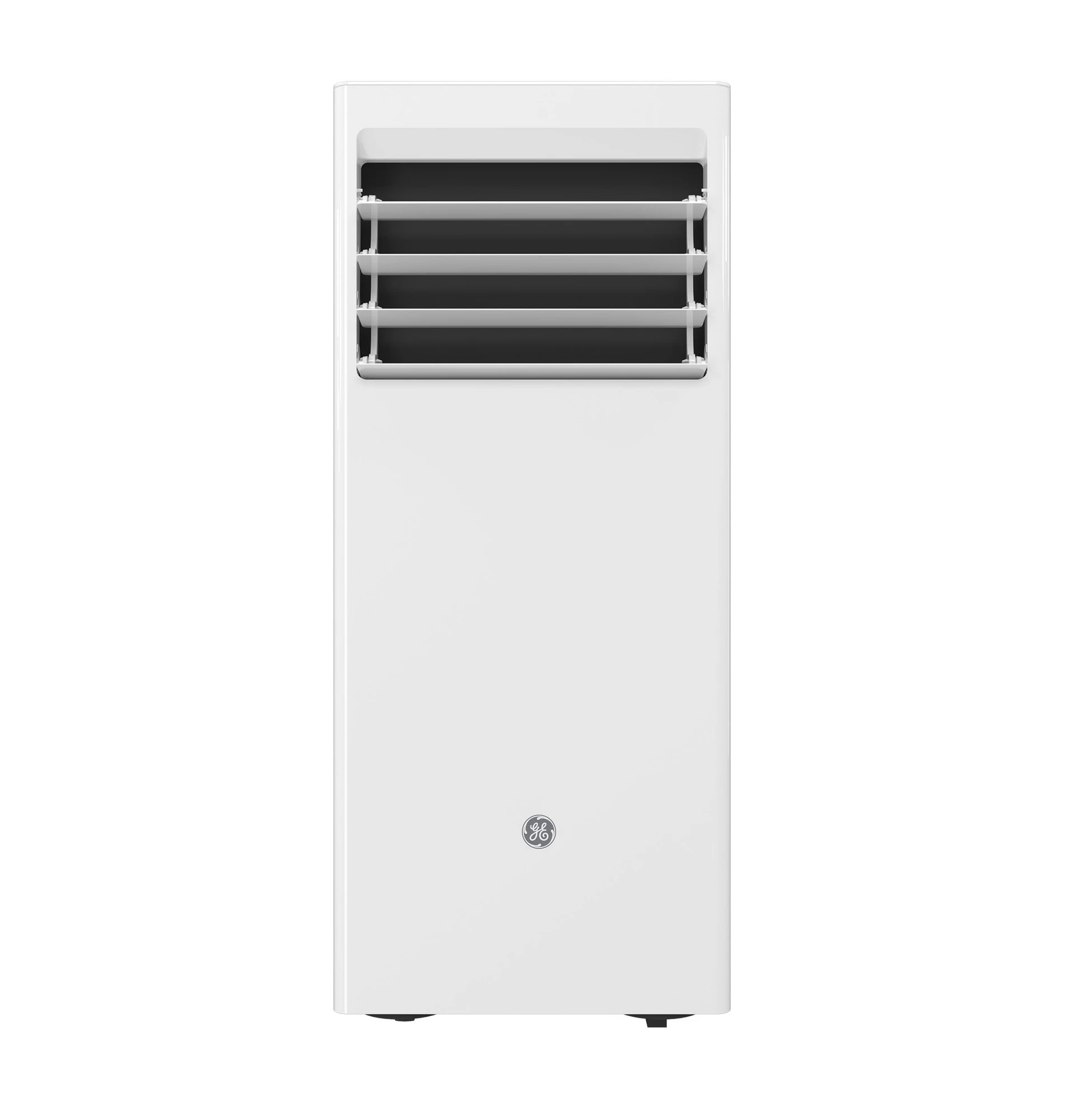
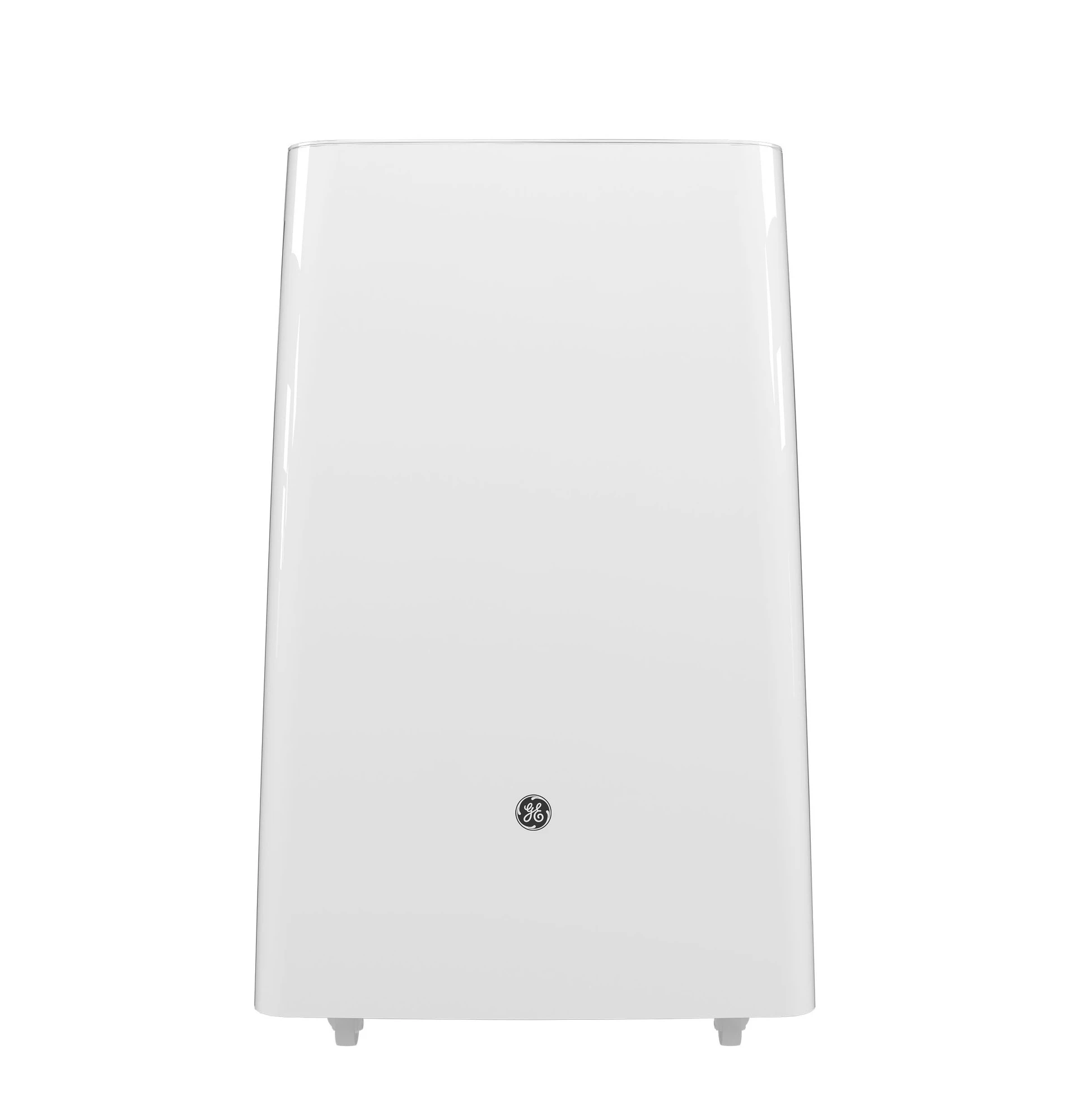
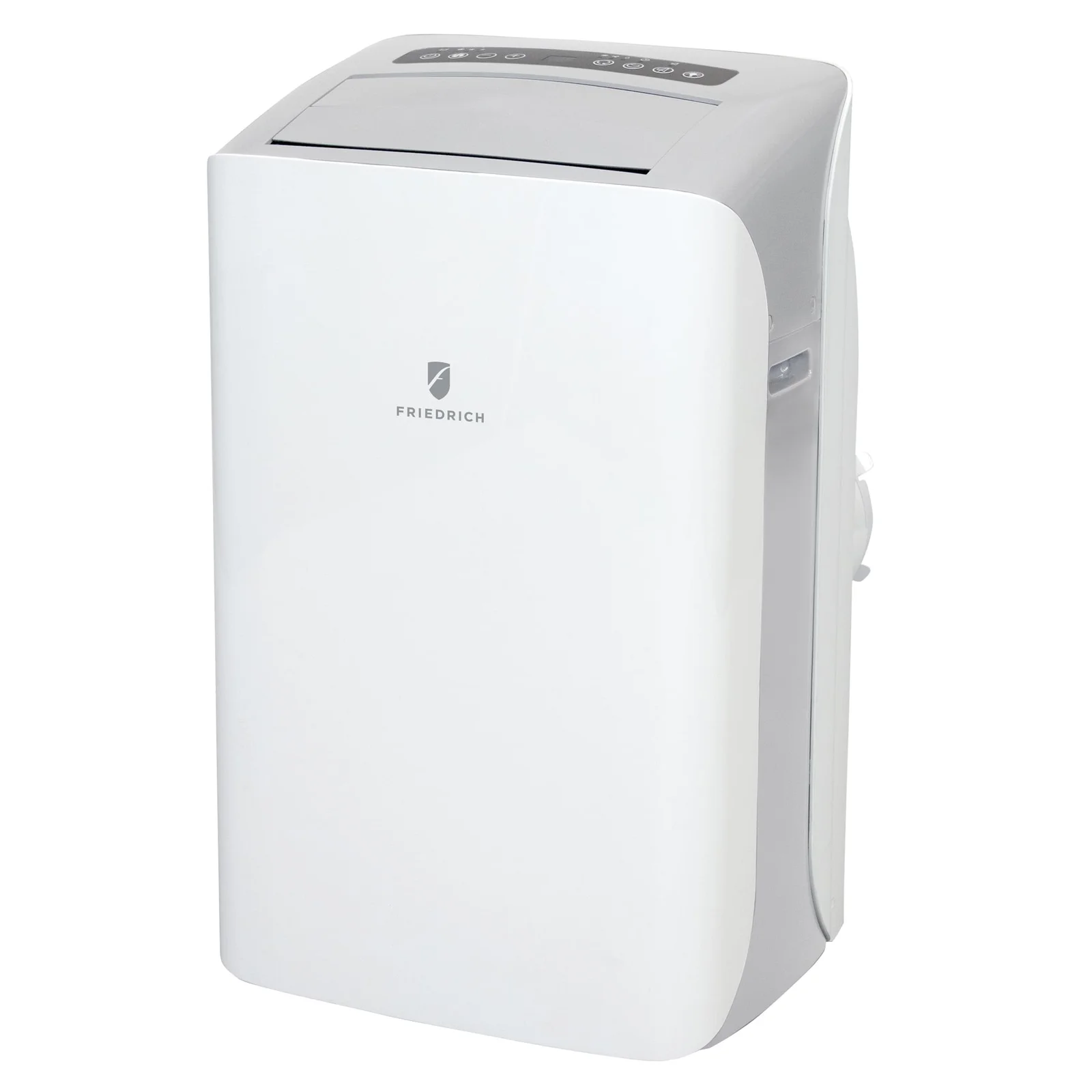
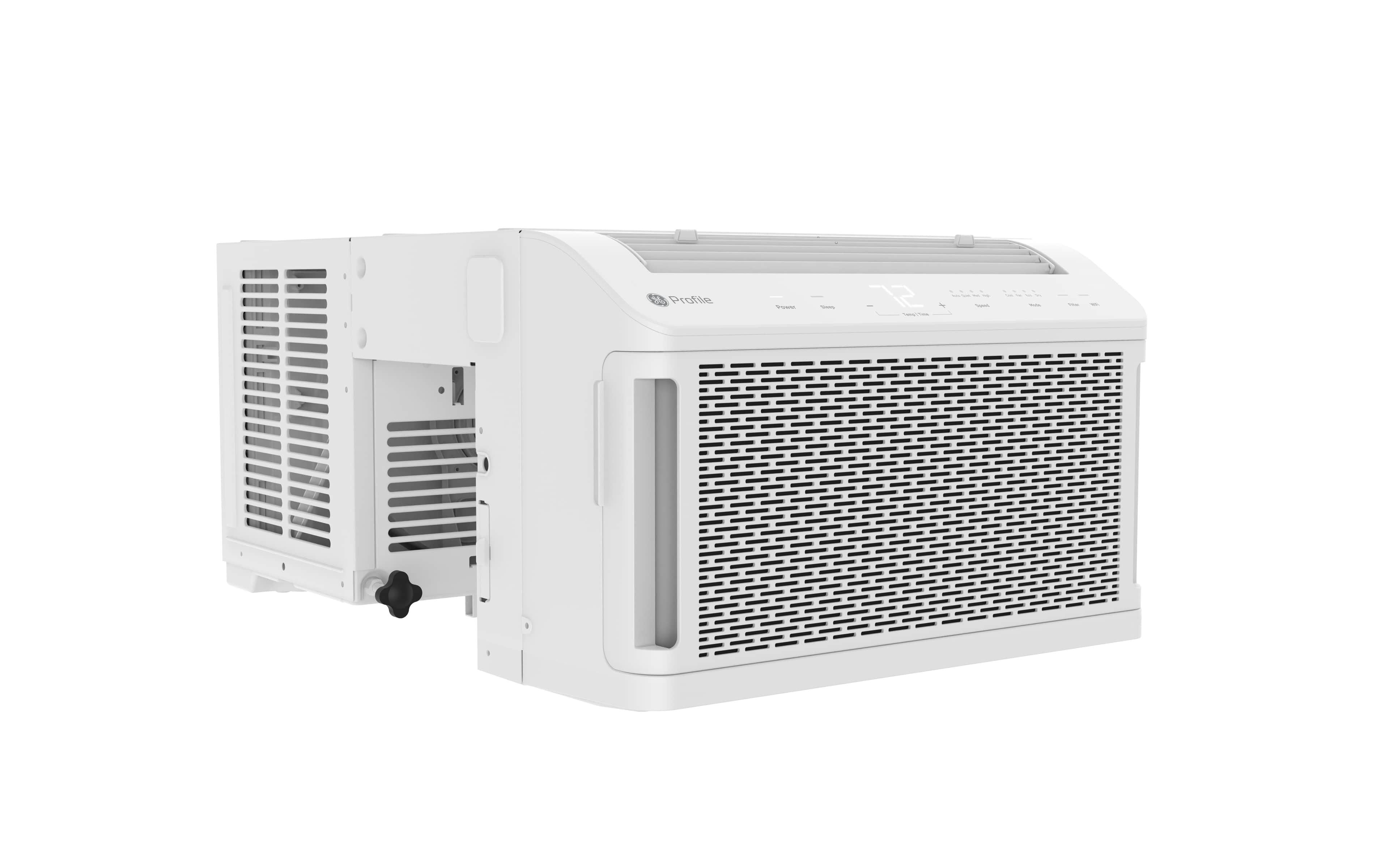
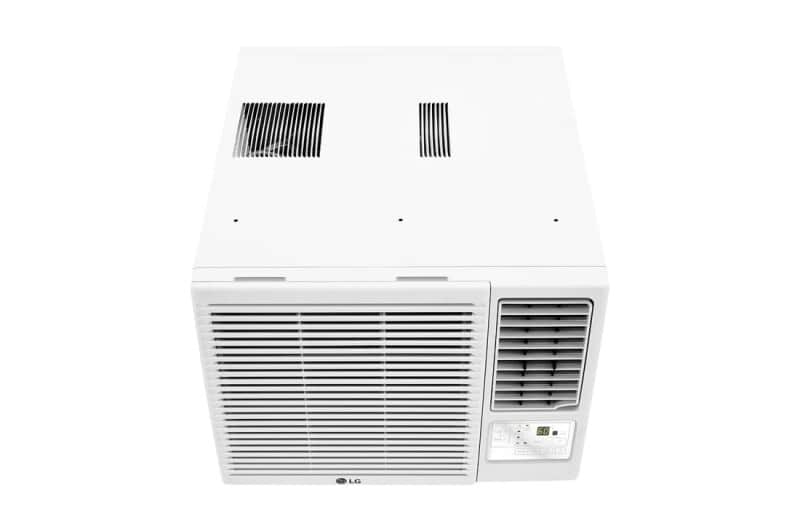
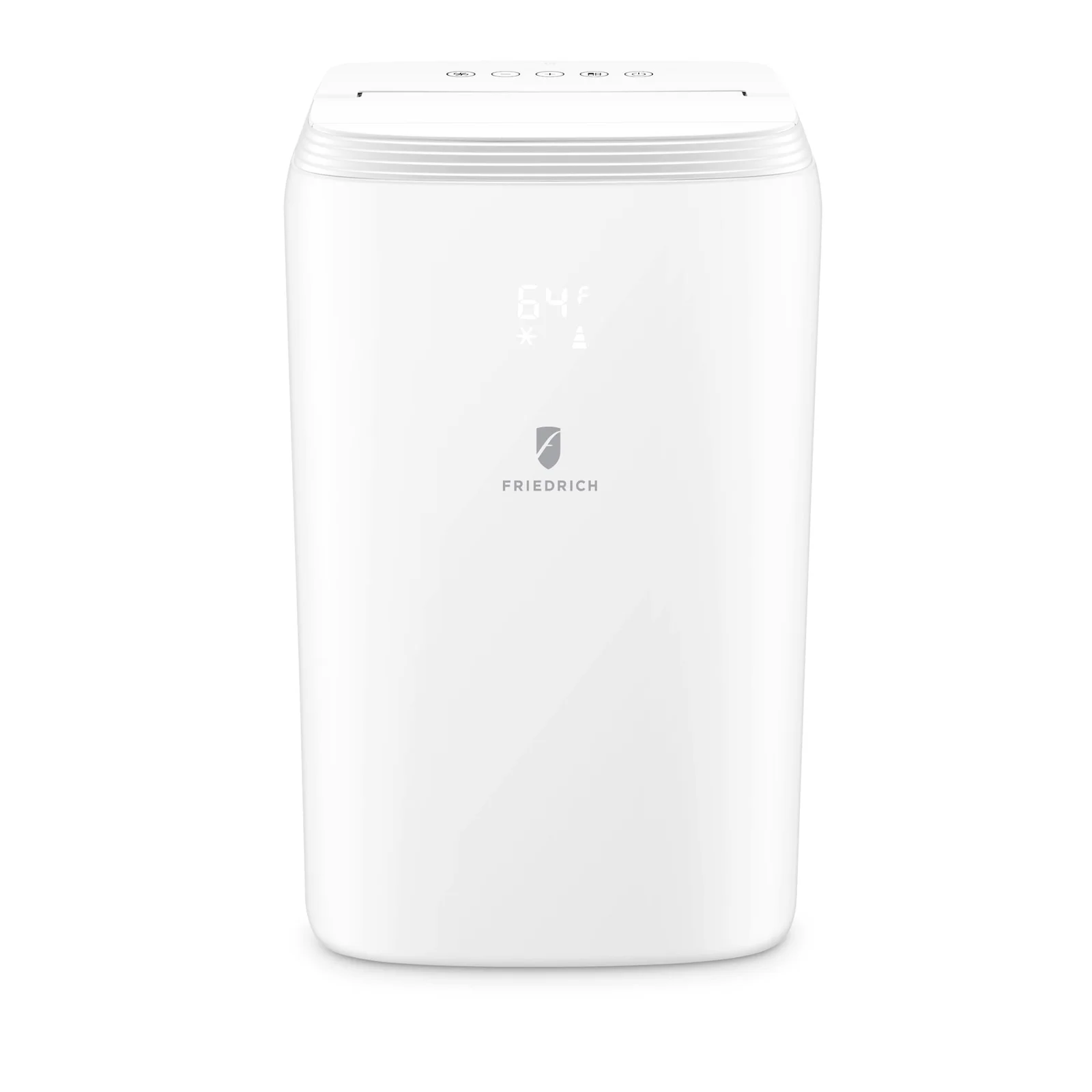
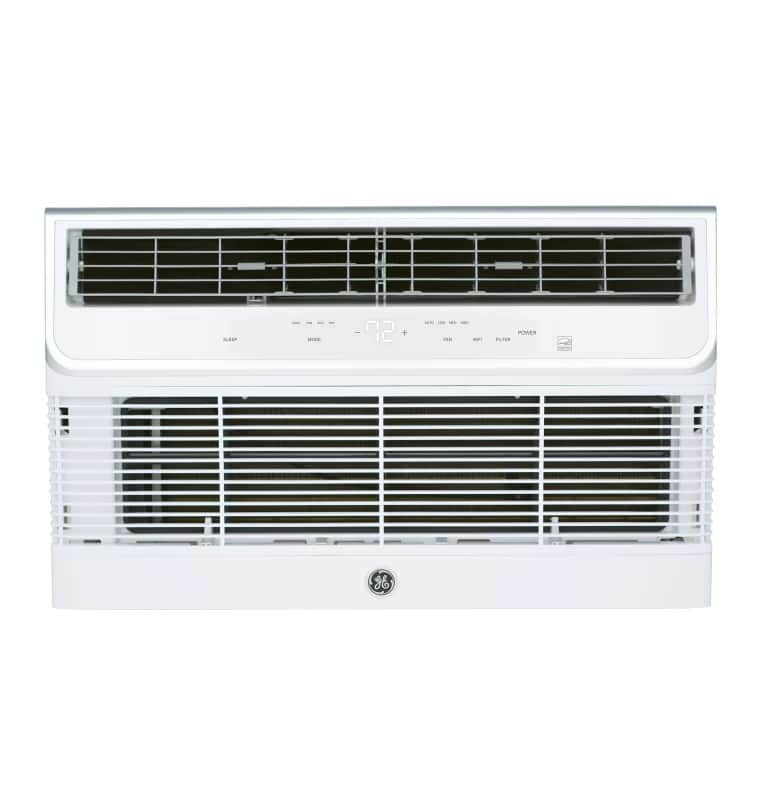
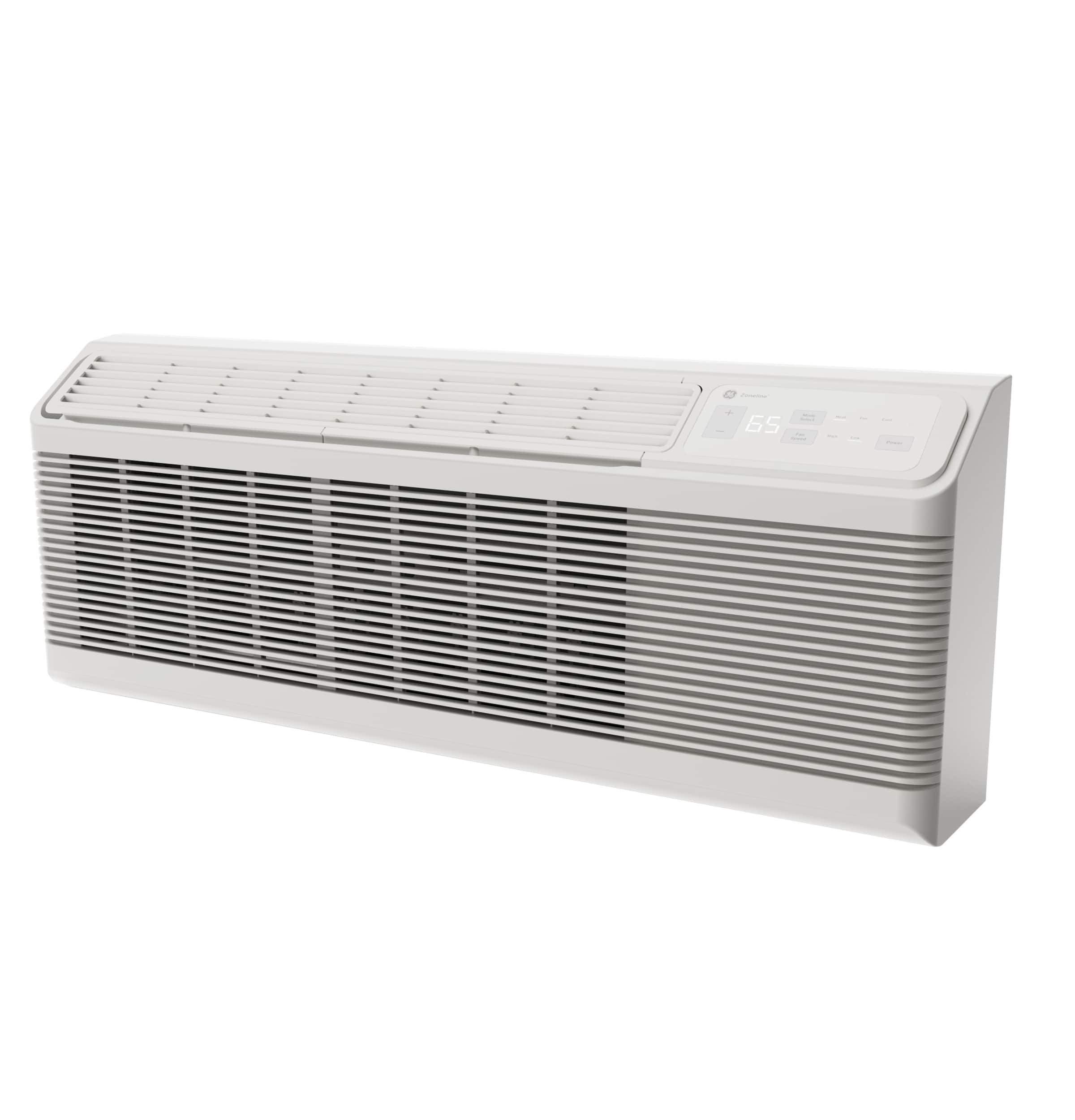

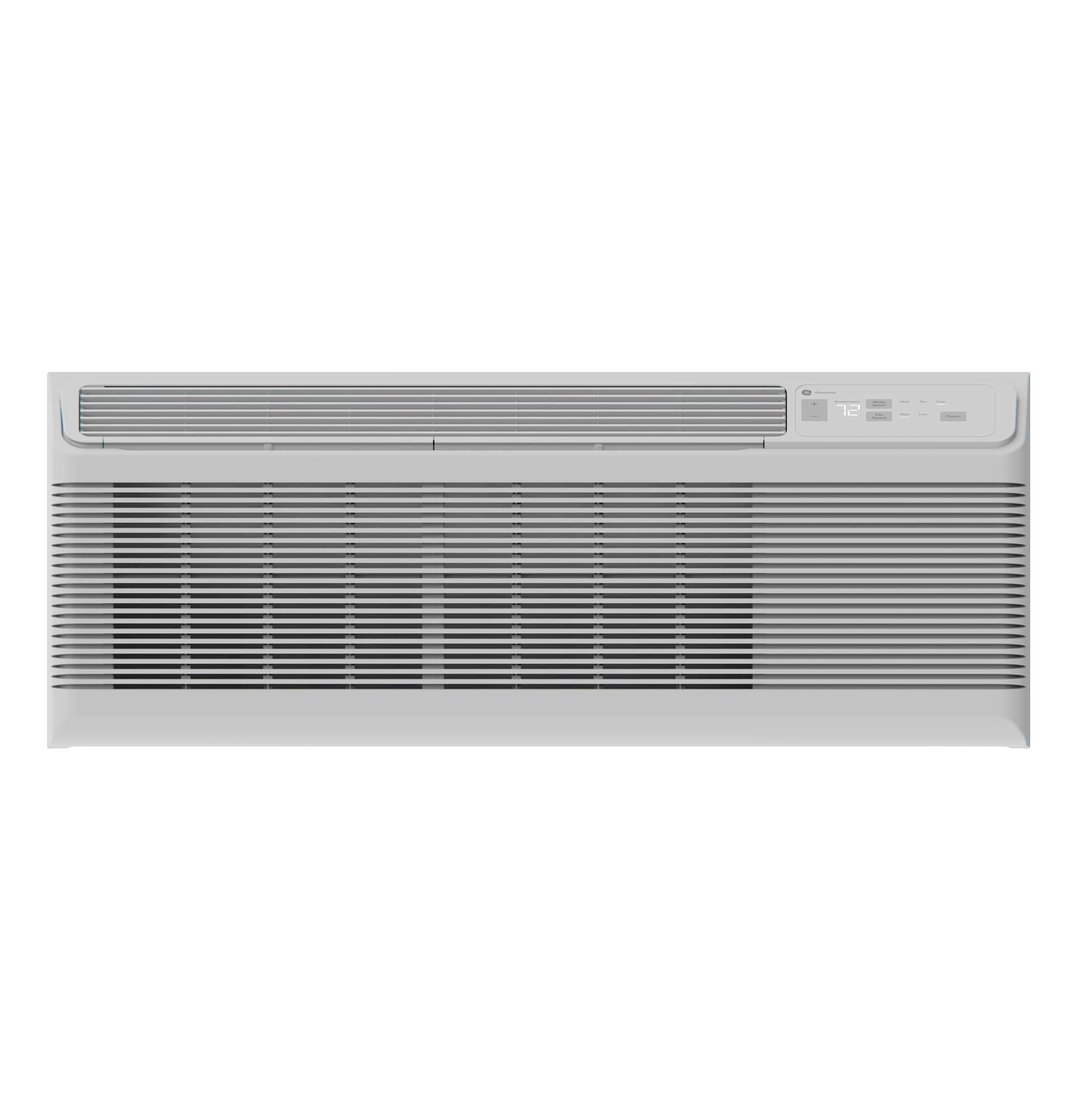
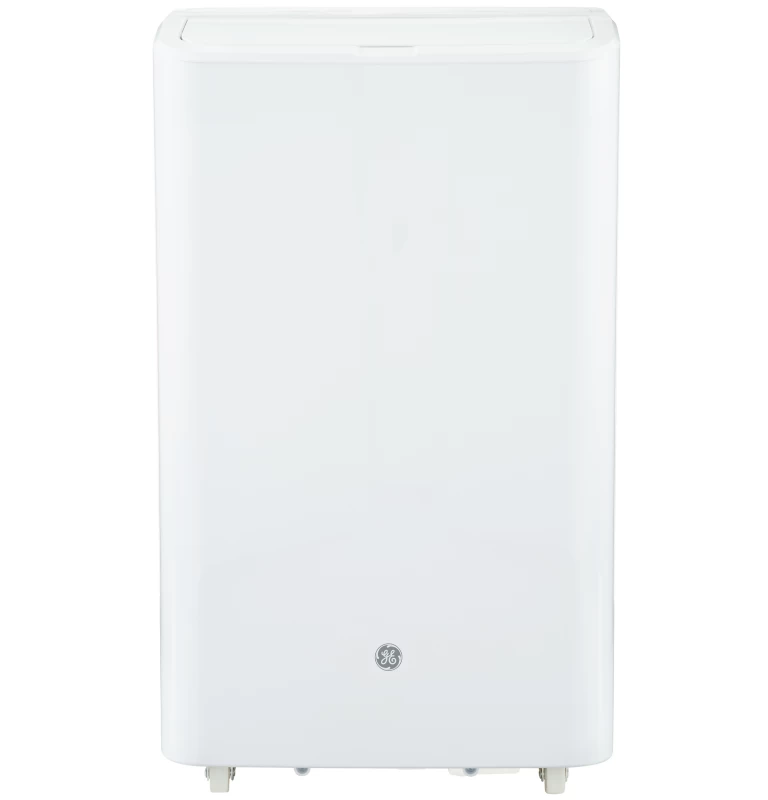
8,000–9,999 BTU
27 listedENERGY STAR's sizing table puts 8,000 BTU/hr at rooms up to about 350 sq ft.
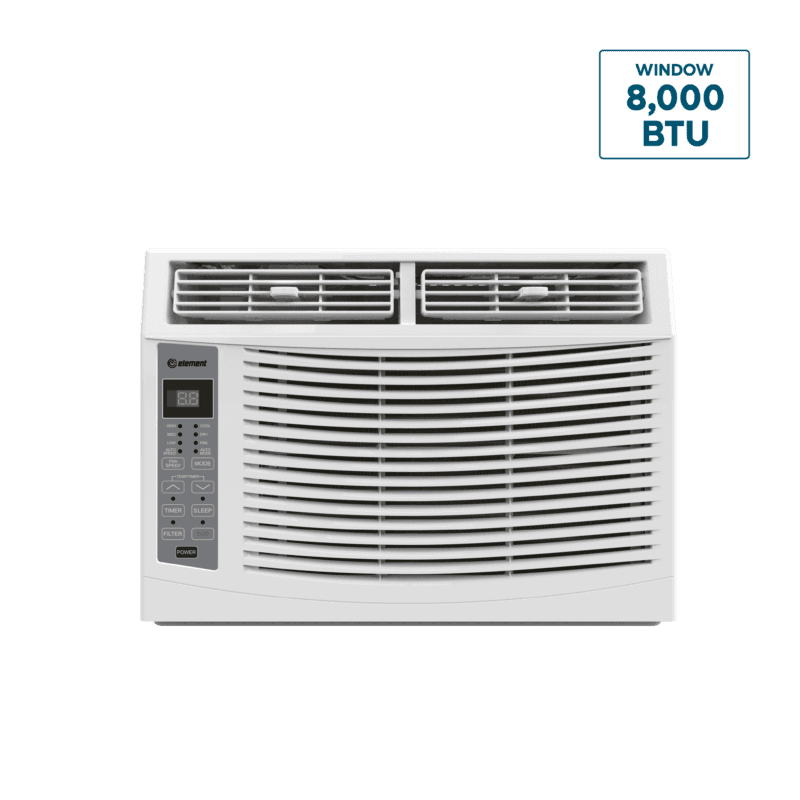
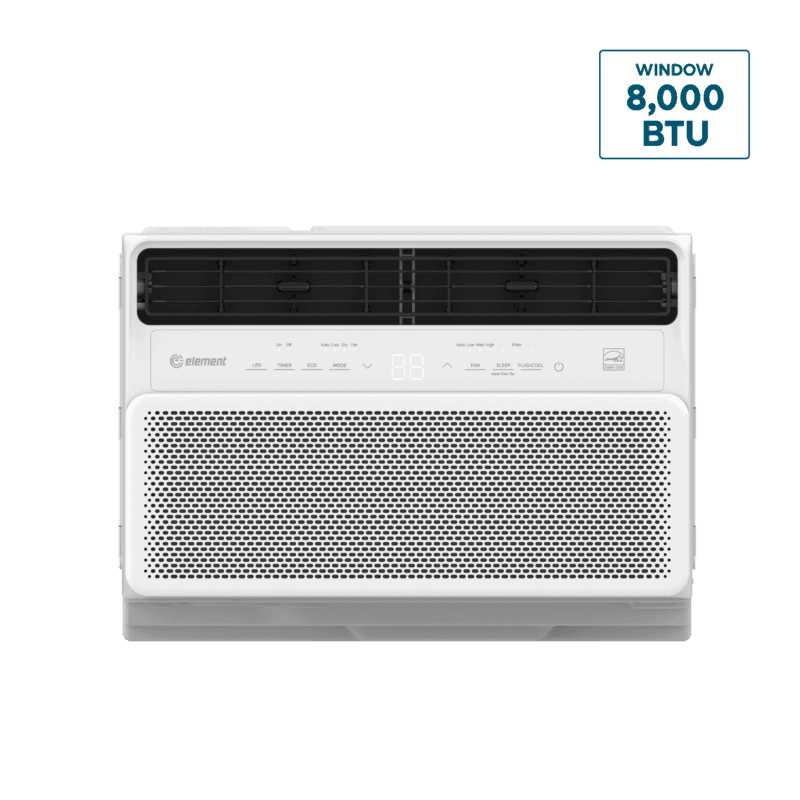
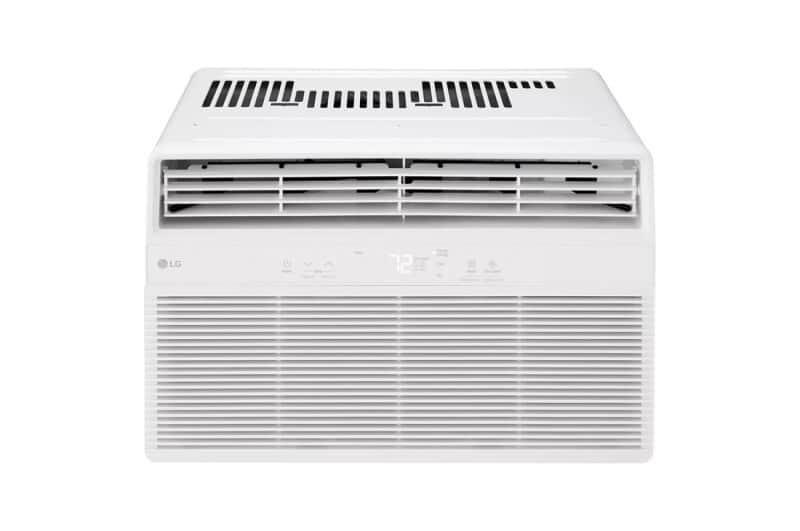
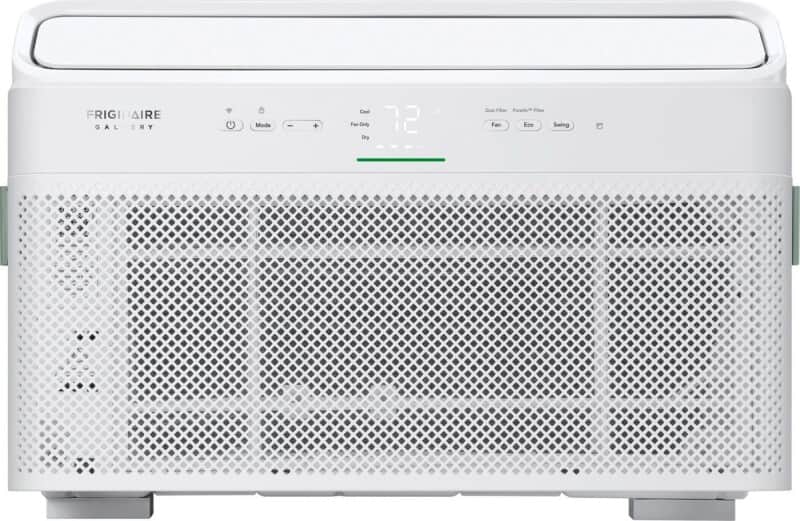
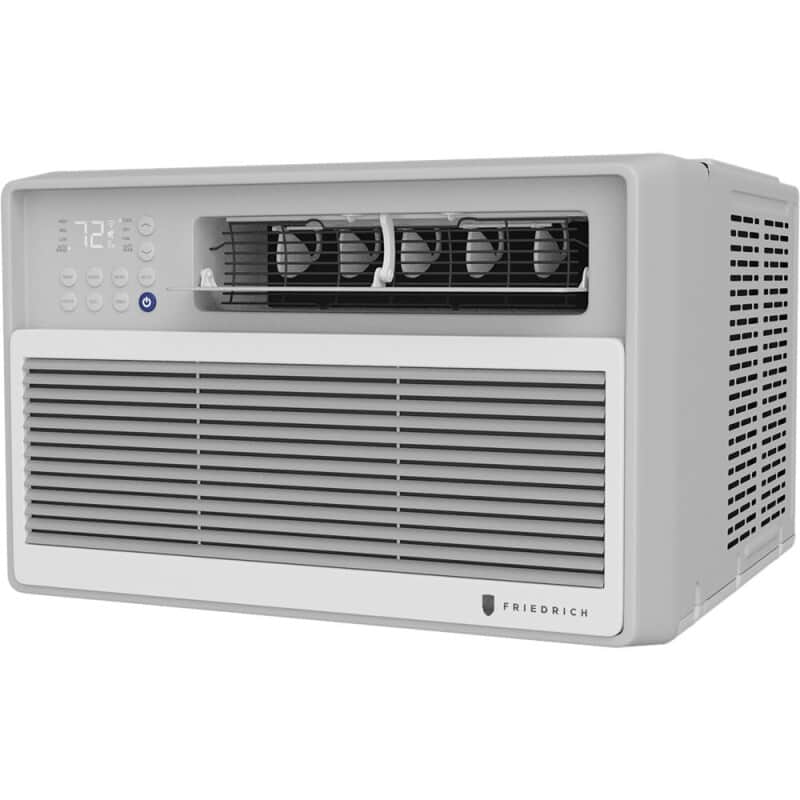
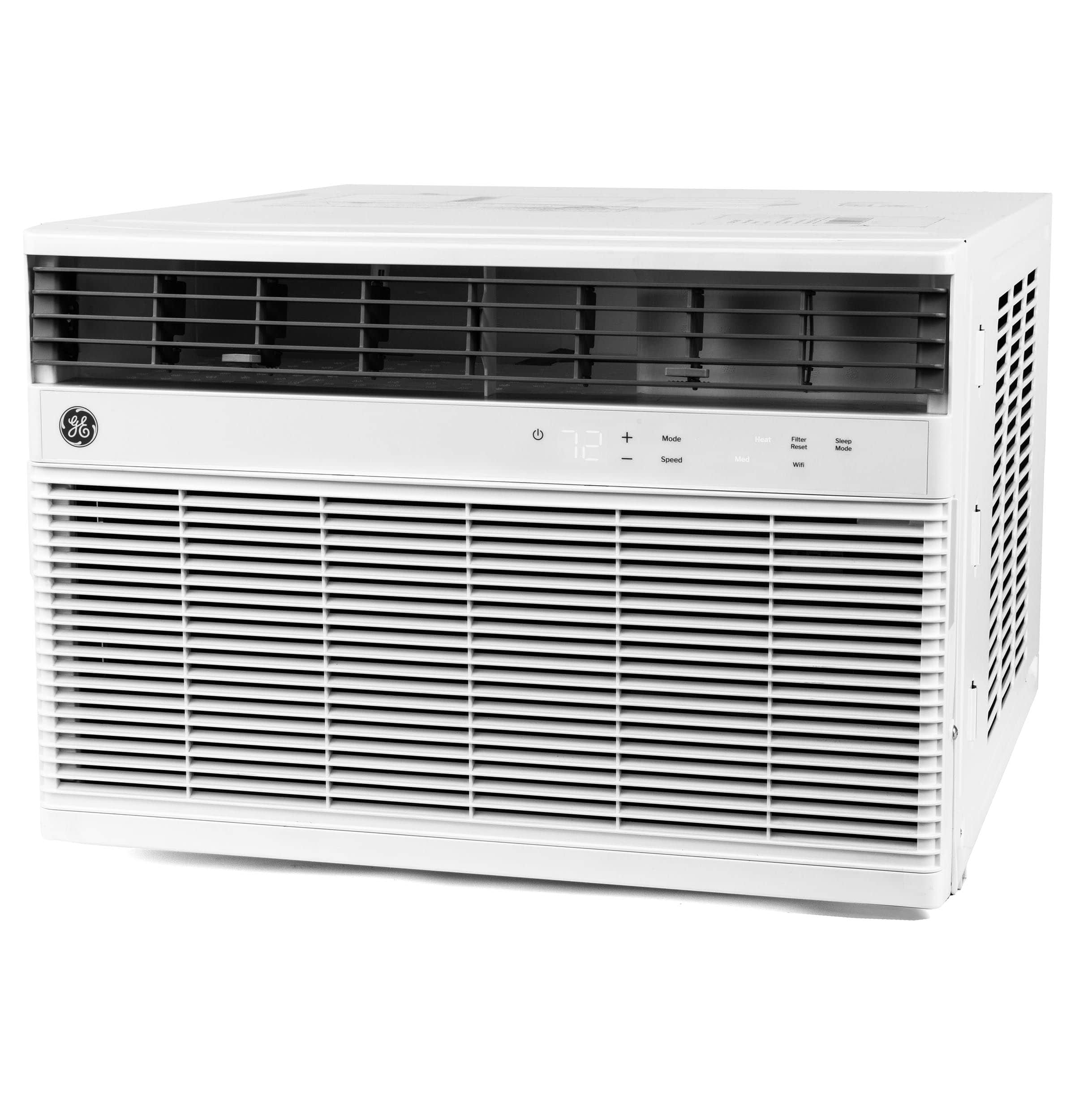
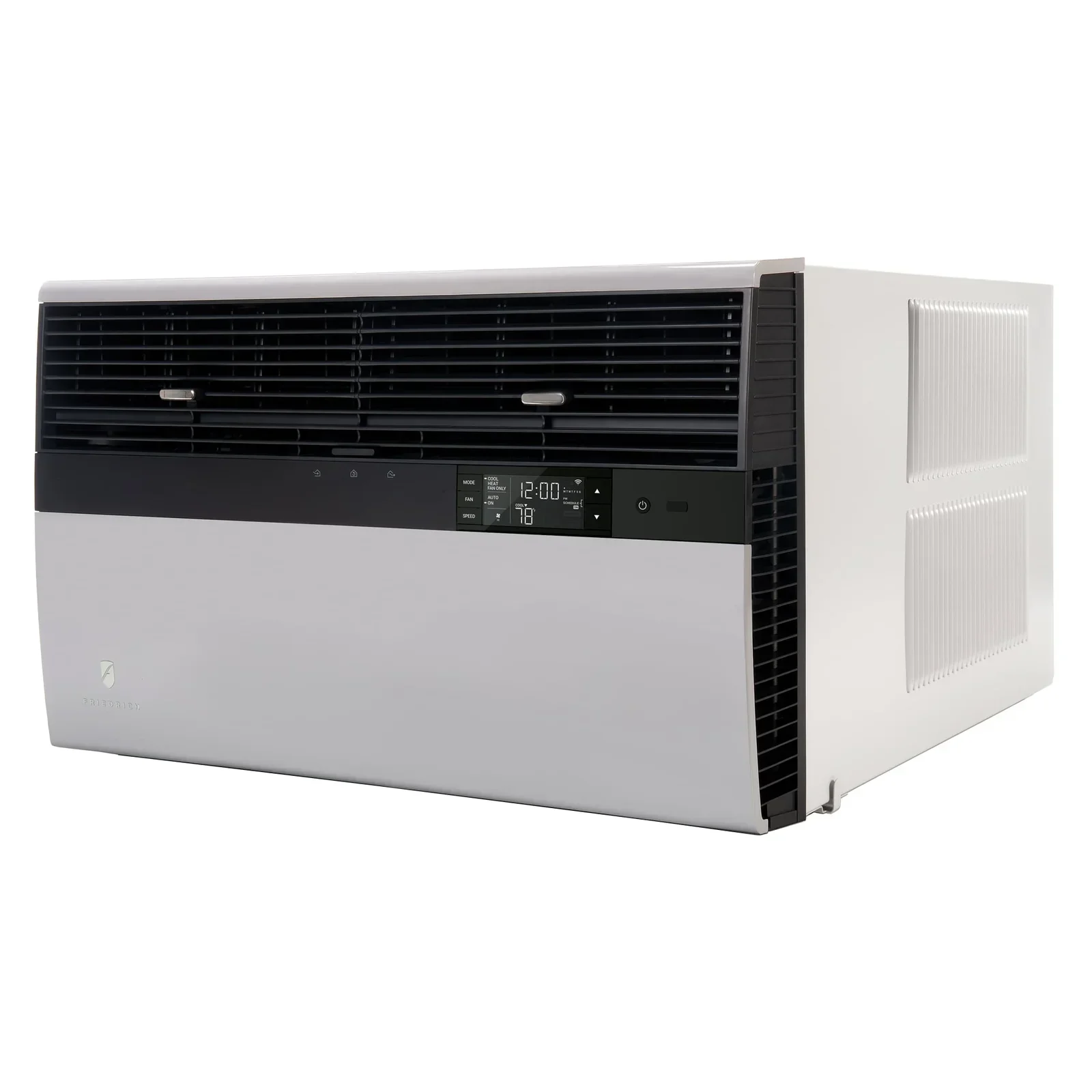
8,000 Btu, 115v Inverter Window Air Conditioner
Model: EHWR08BE8,000 BTU
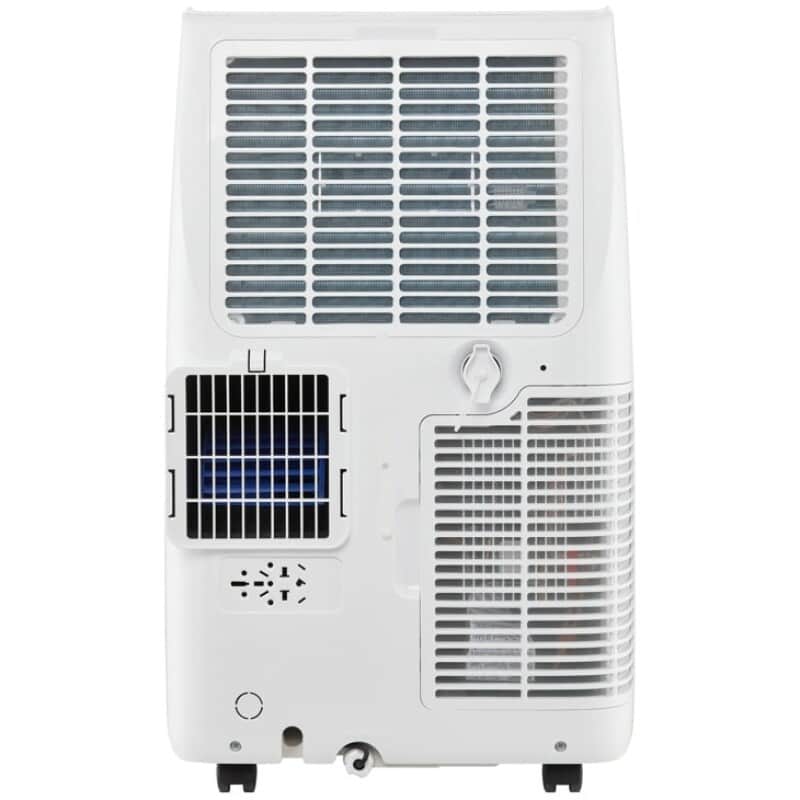
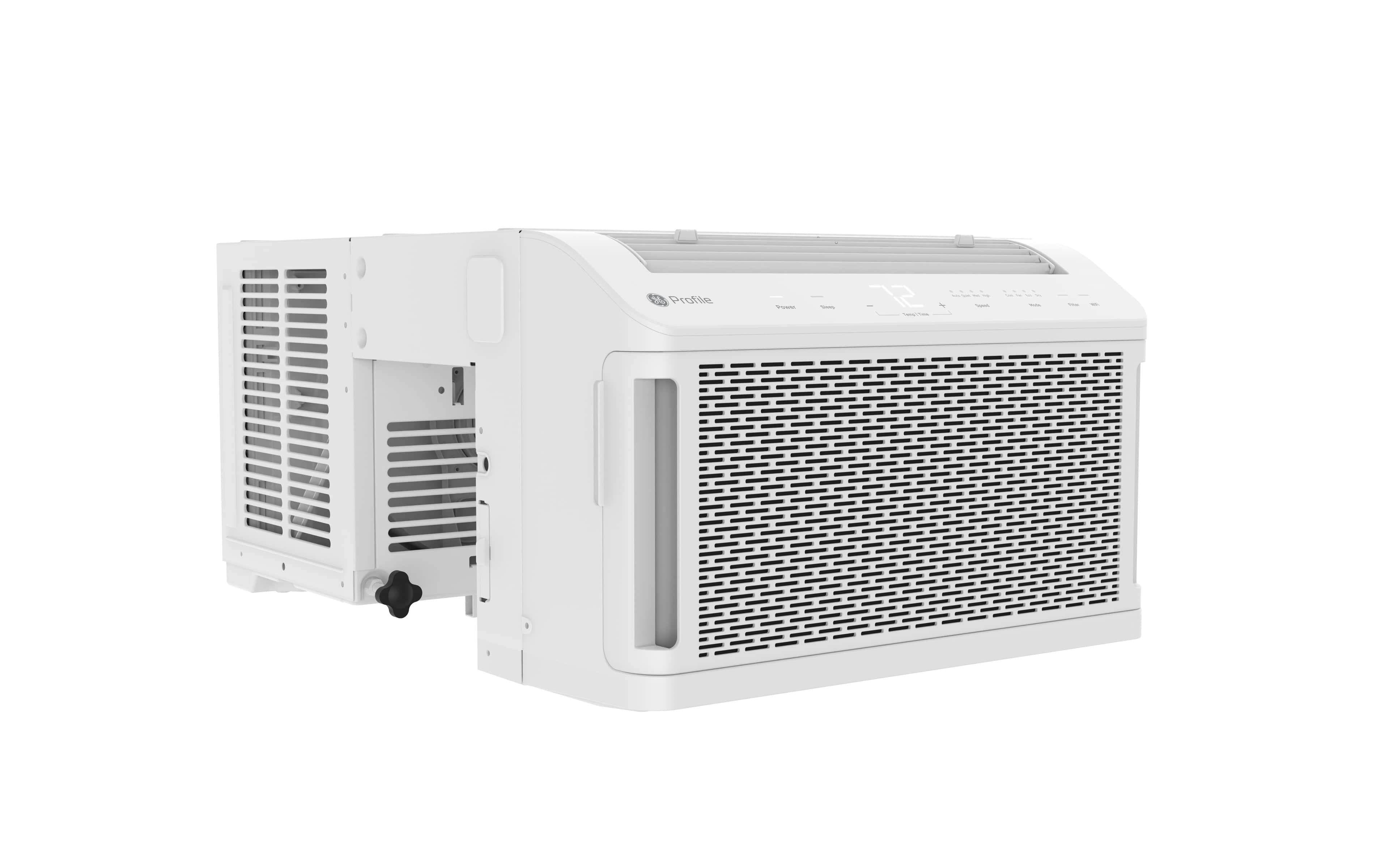
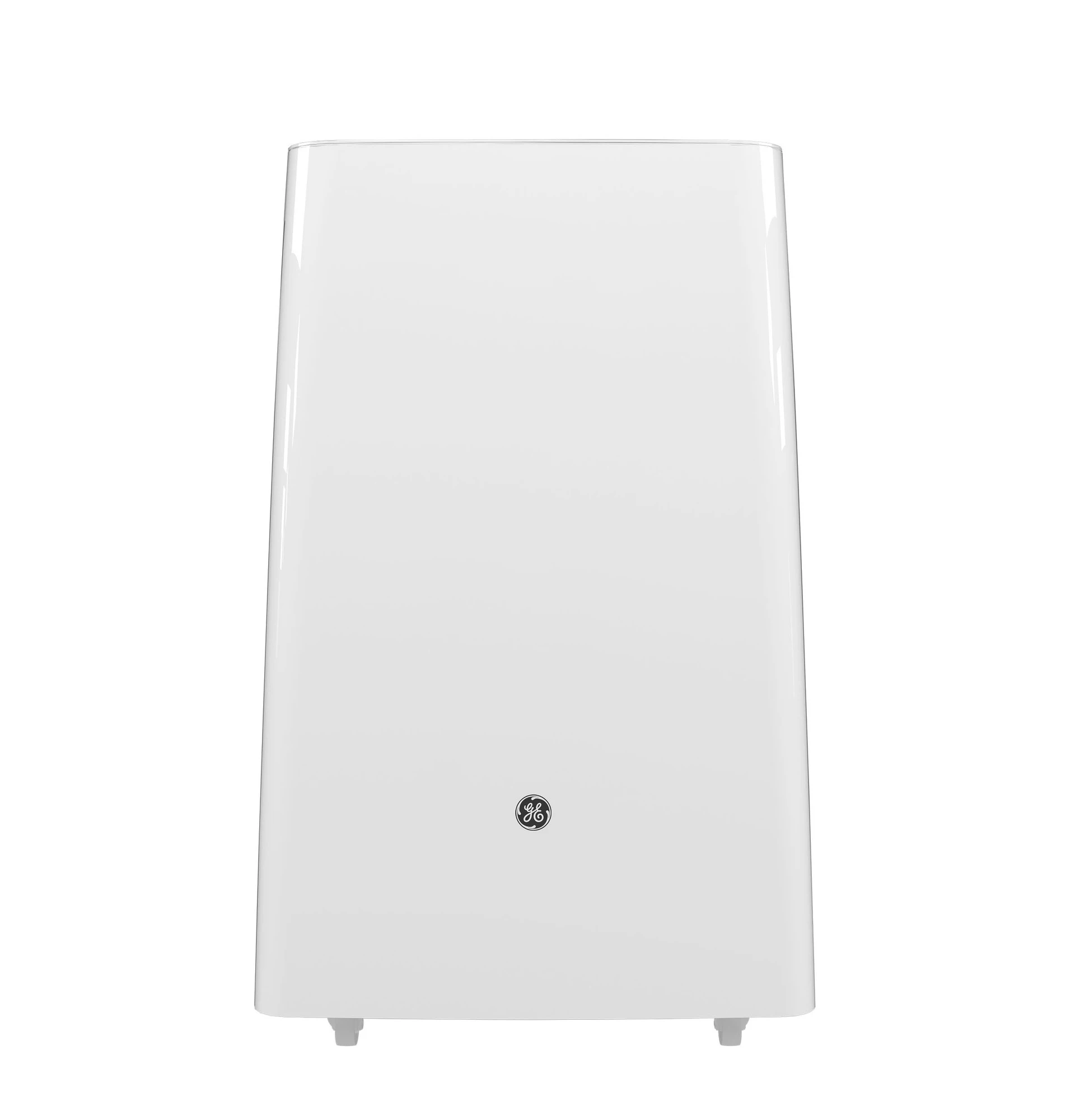
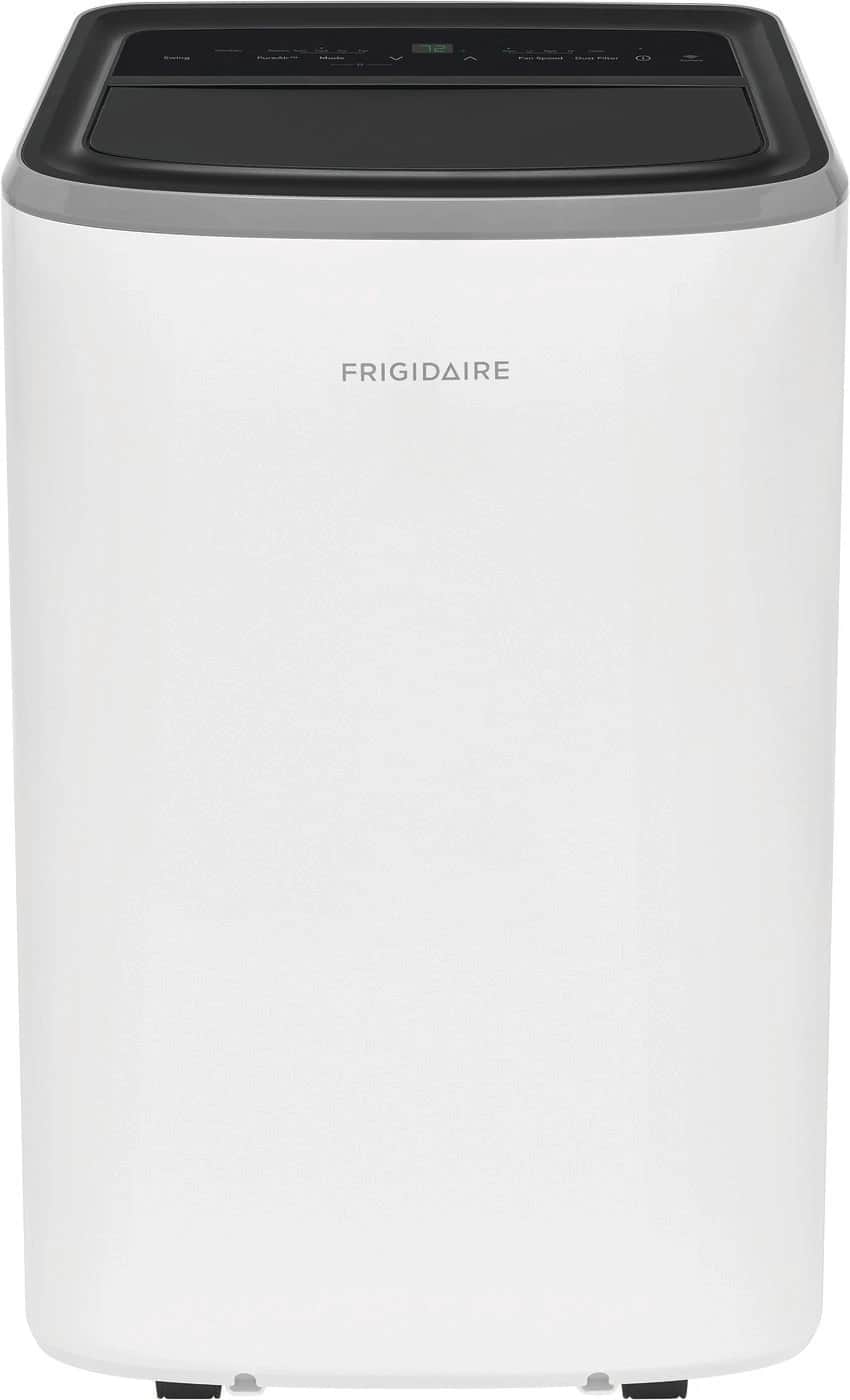
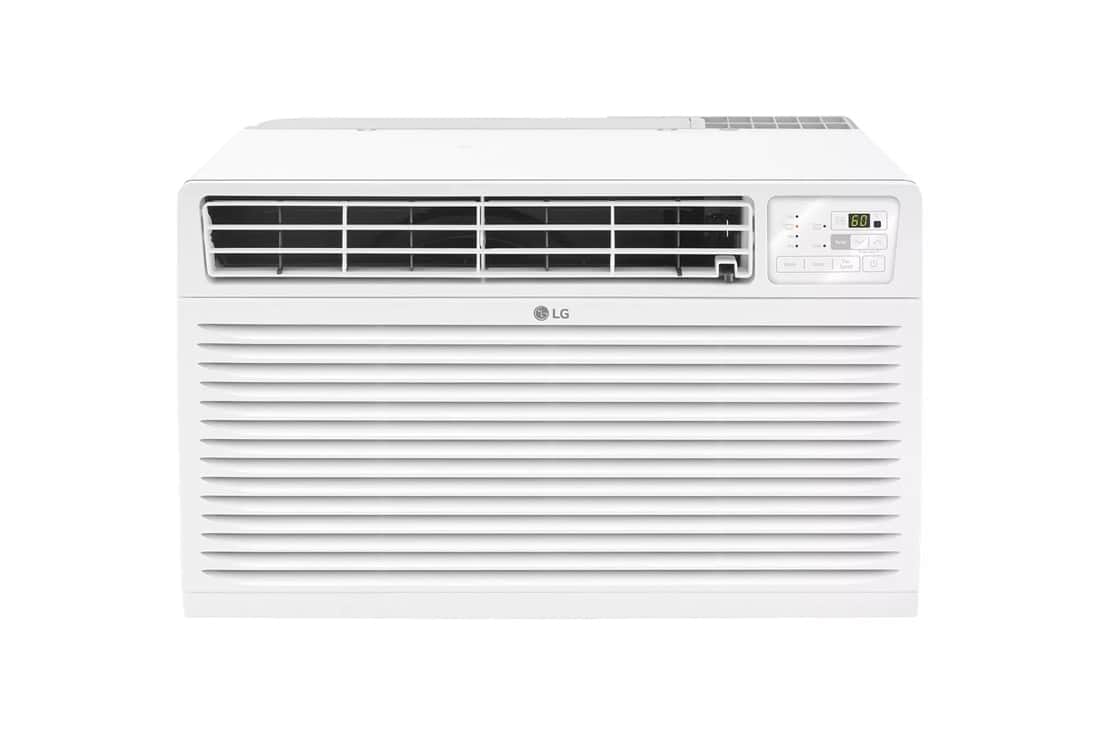
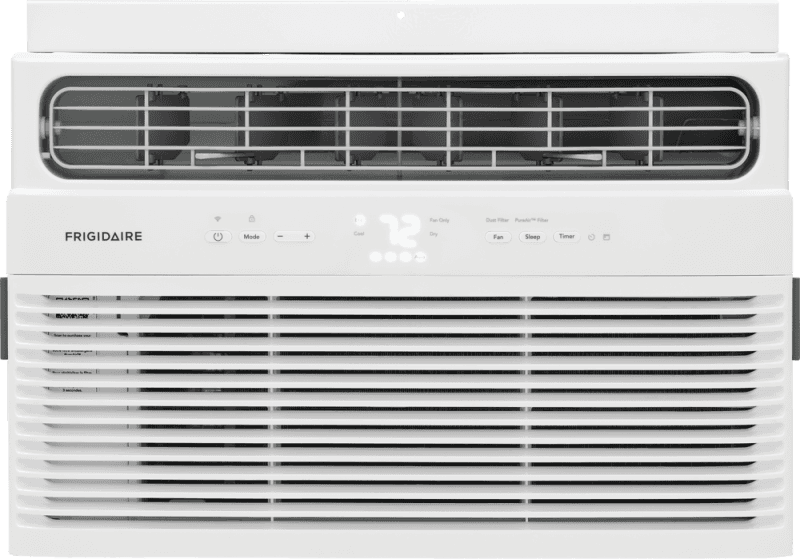
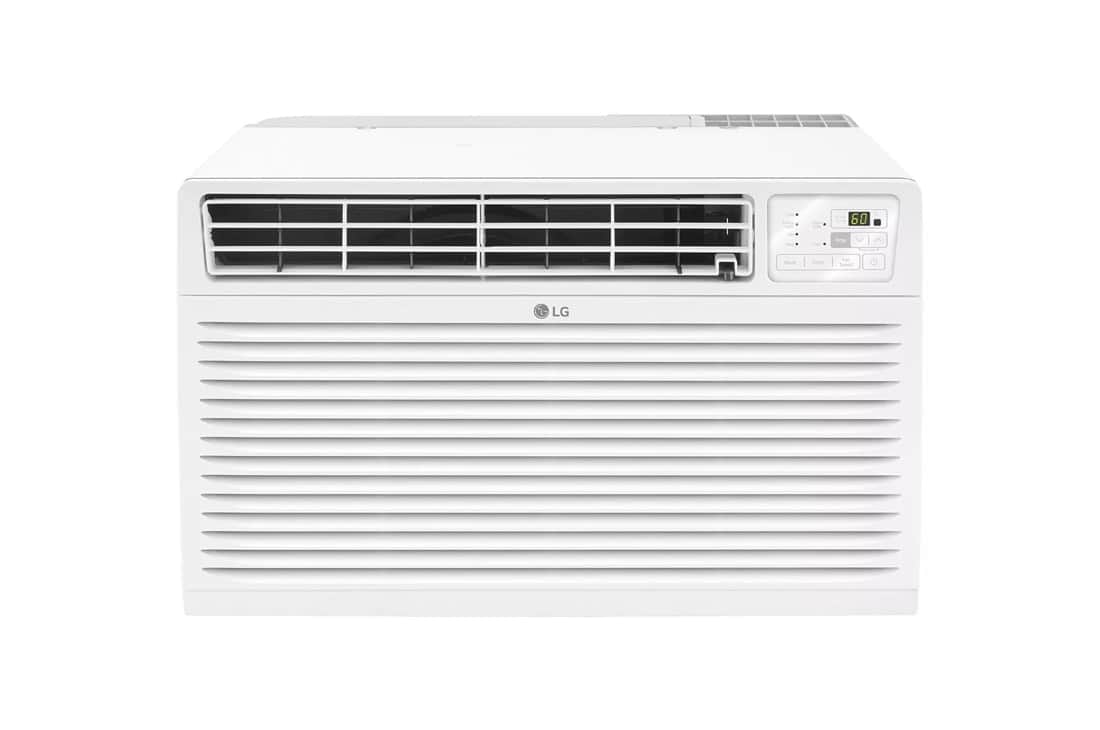
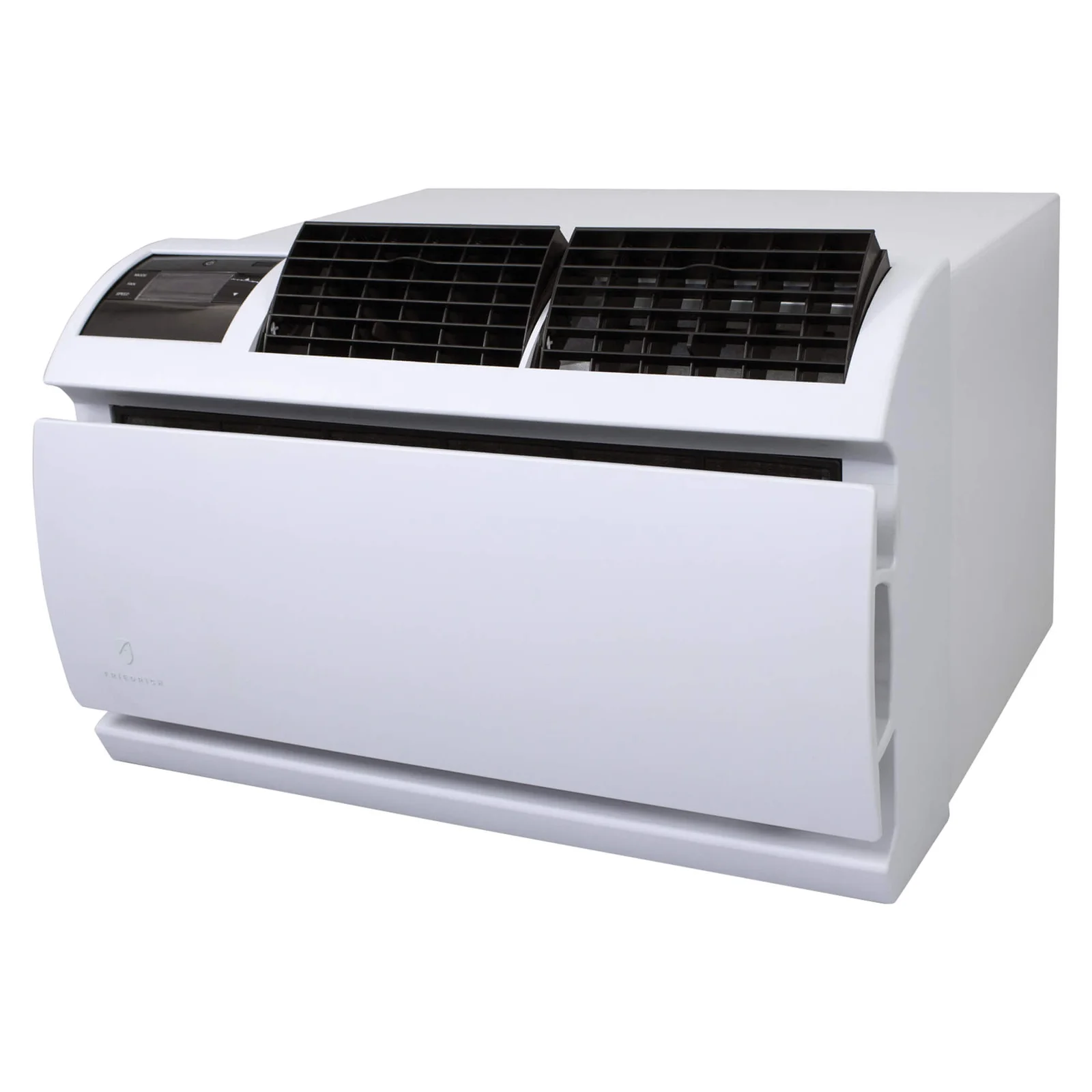
9,800 Btu 115v Through-the-wall Air Conditioner
Model: LT1016CER9,800 BTU
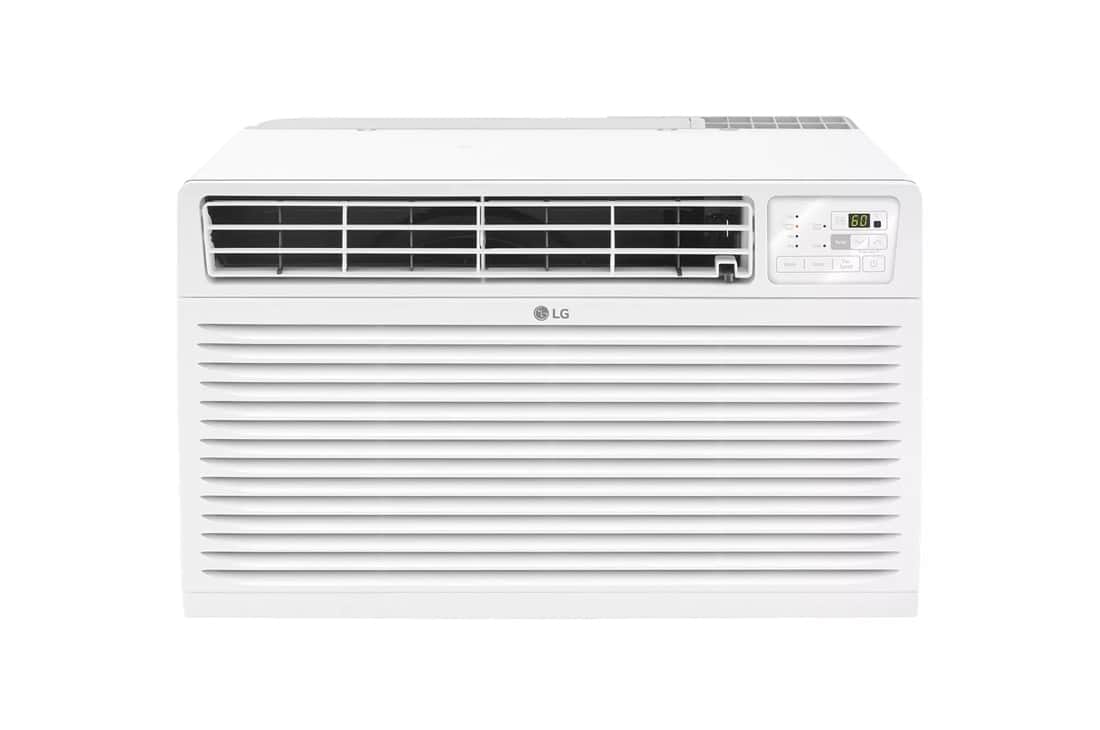
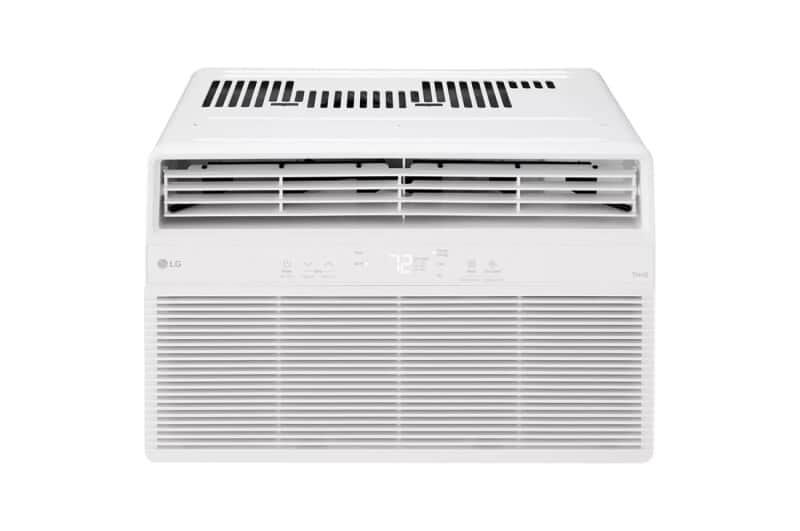
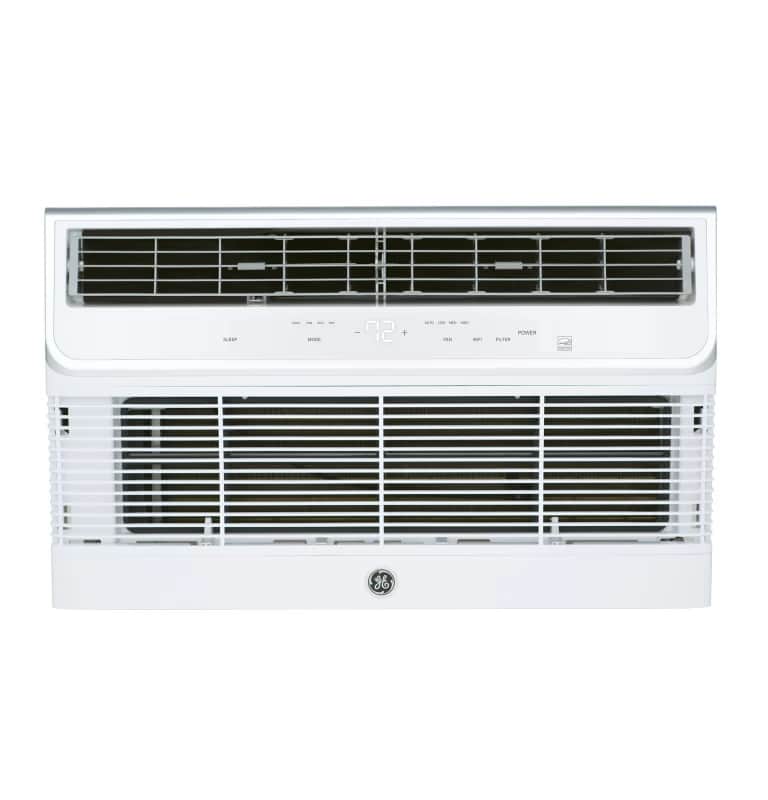
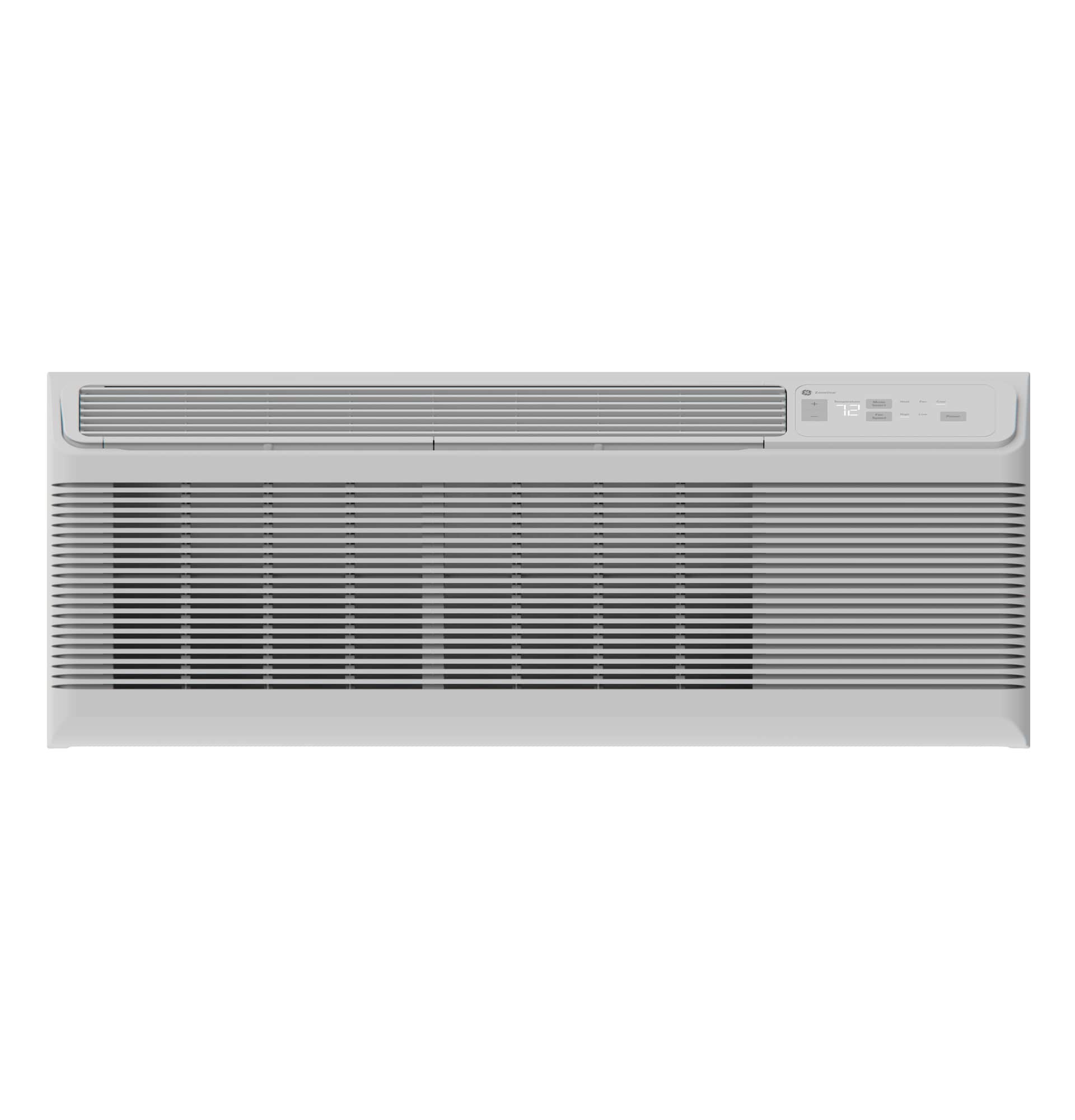
9,800 Btu 230v Through-the-wall Air Conditioner
Model: LT1036CER9,800 BTU
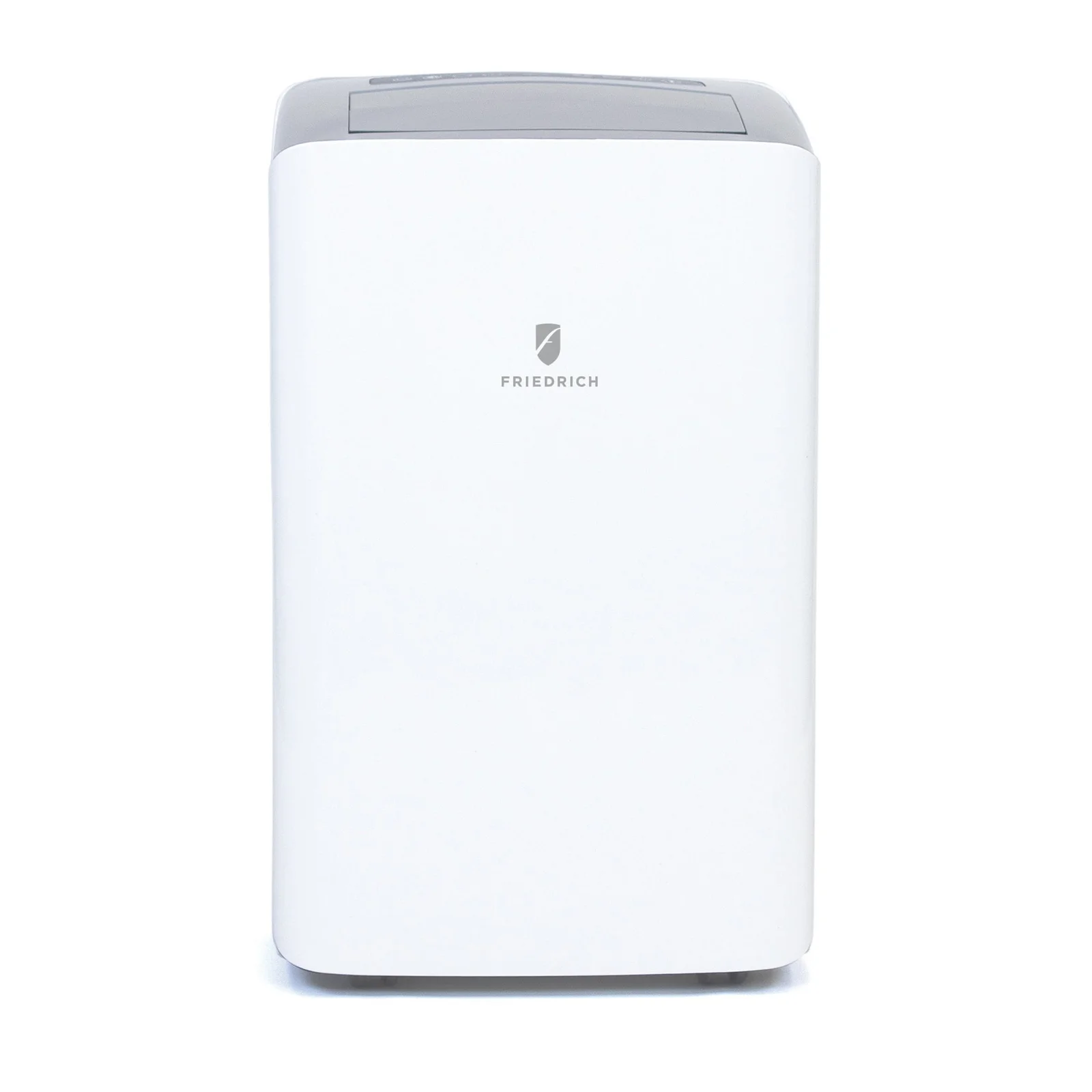
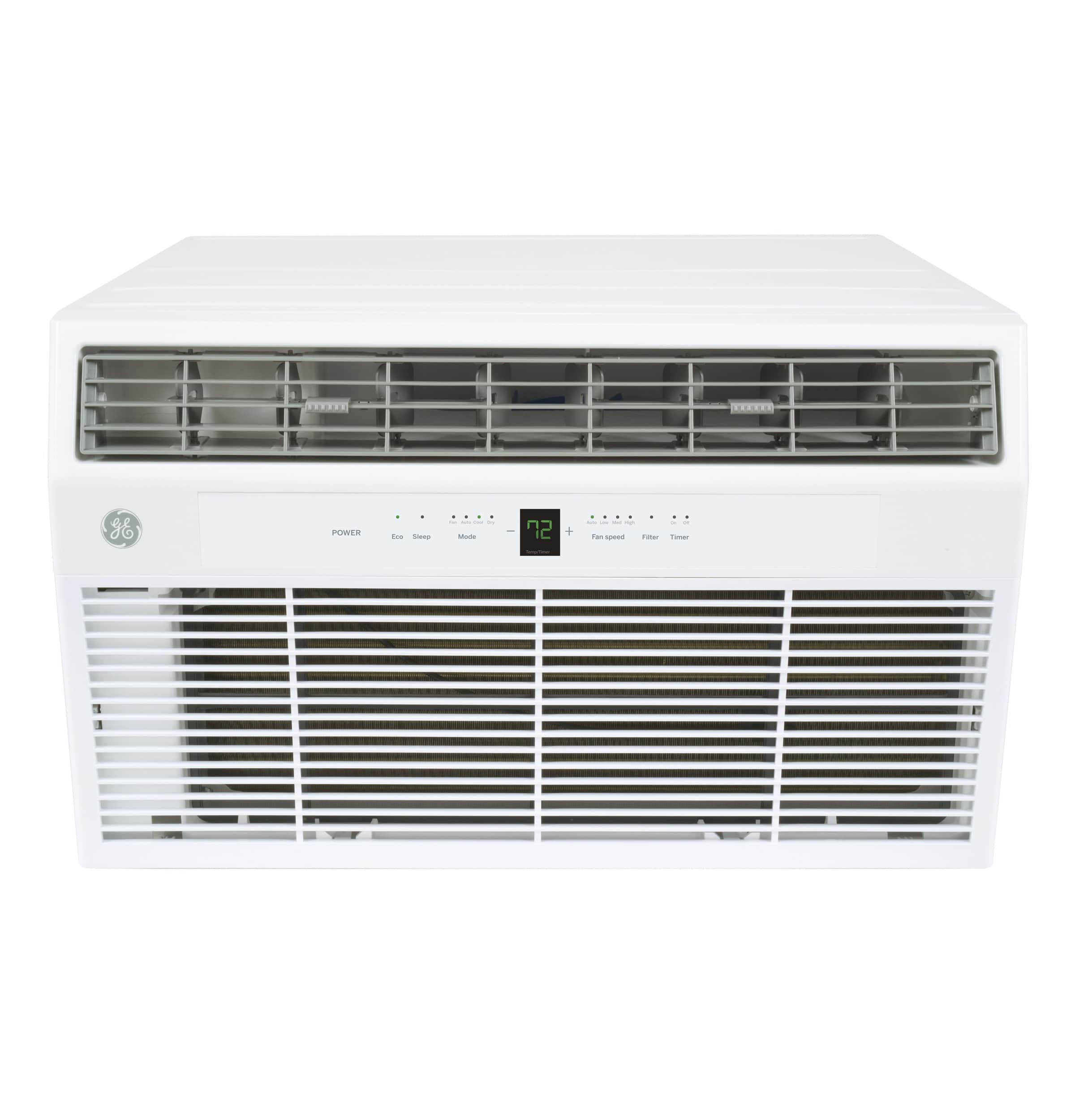
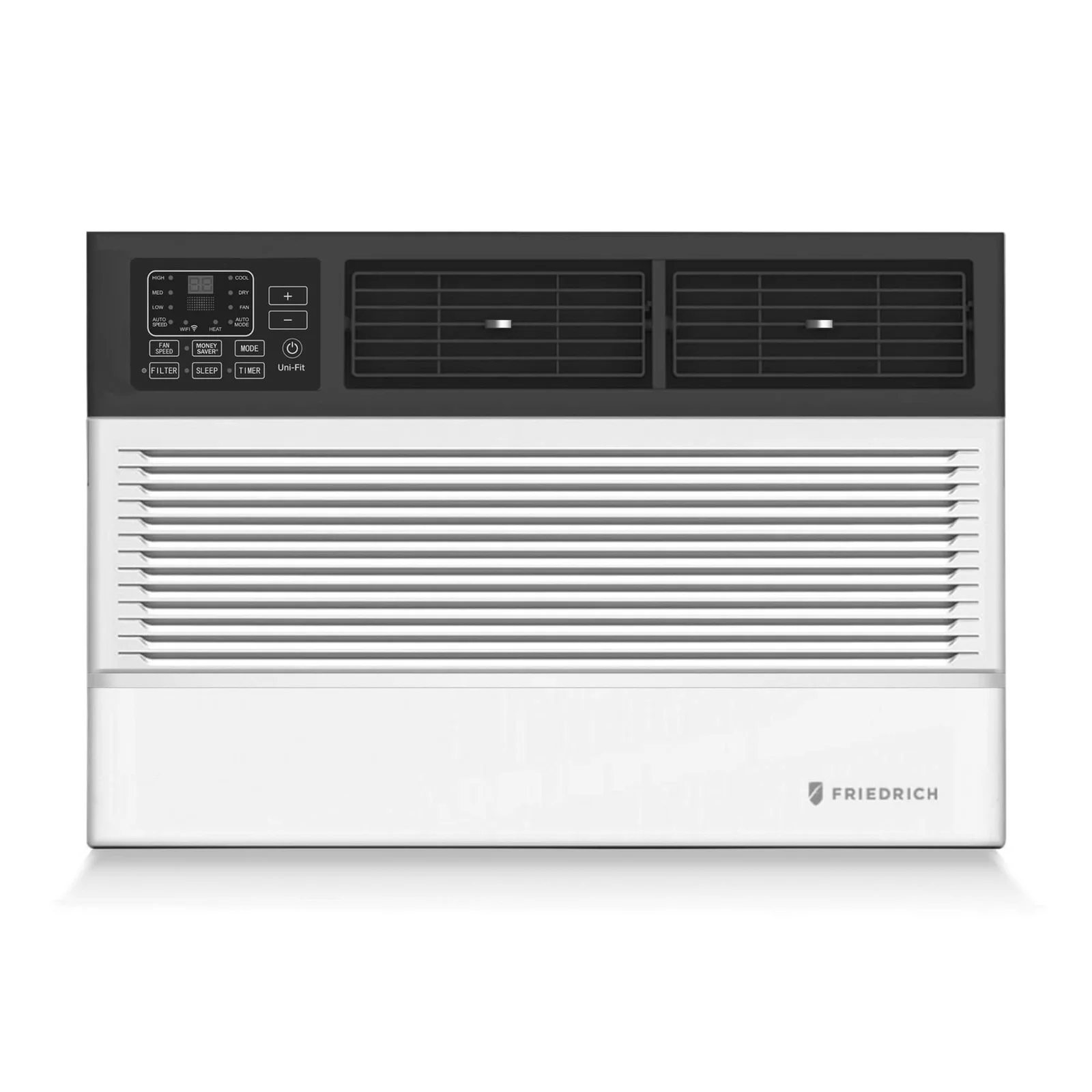
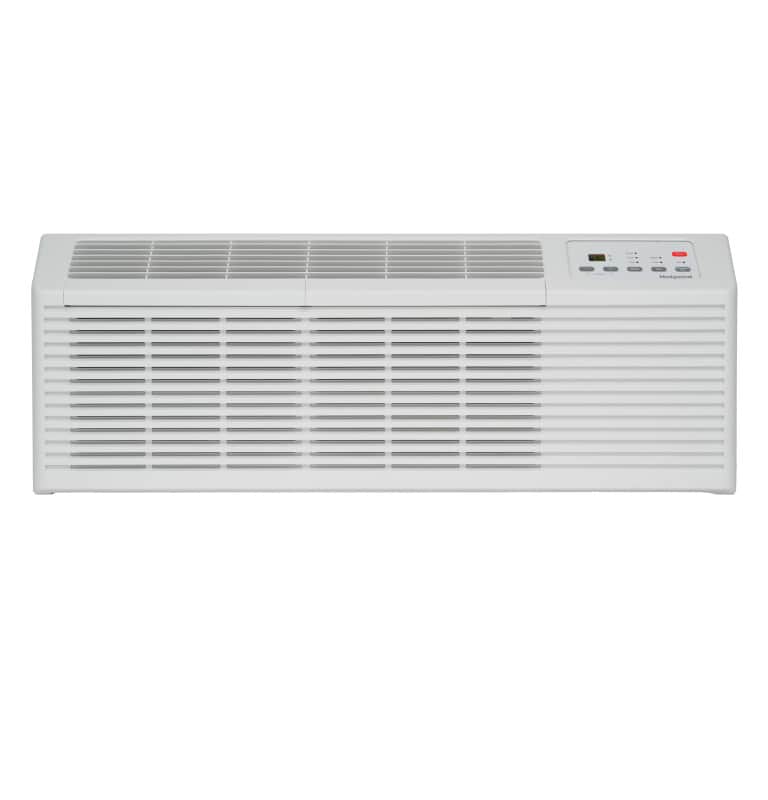
10,000–11,999 BTU
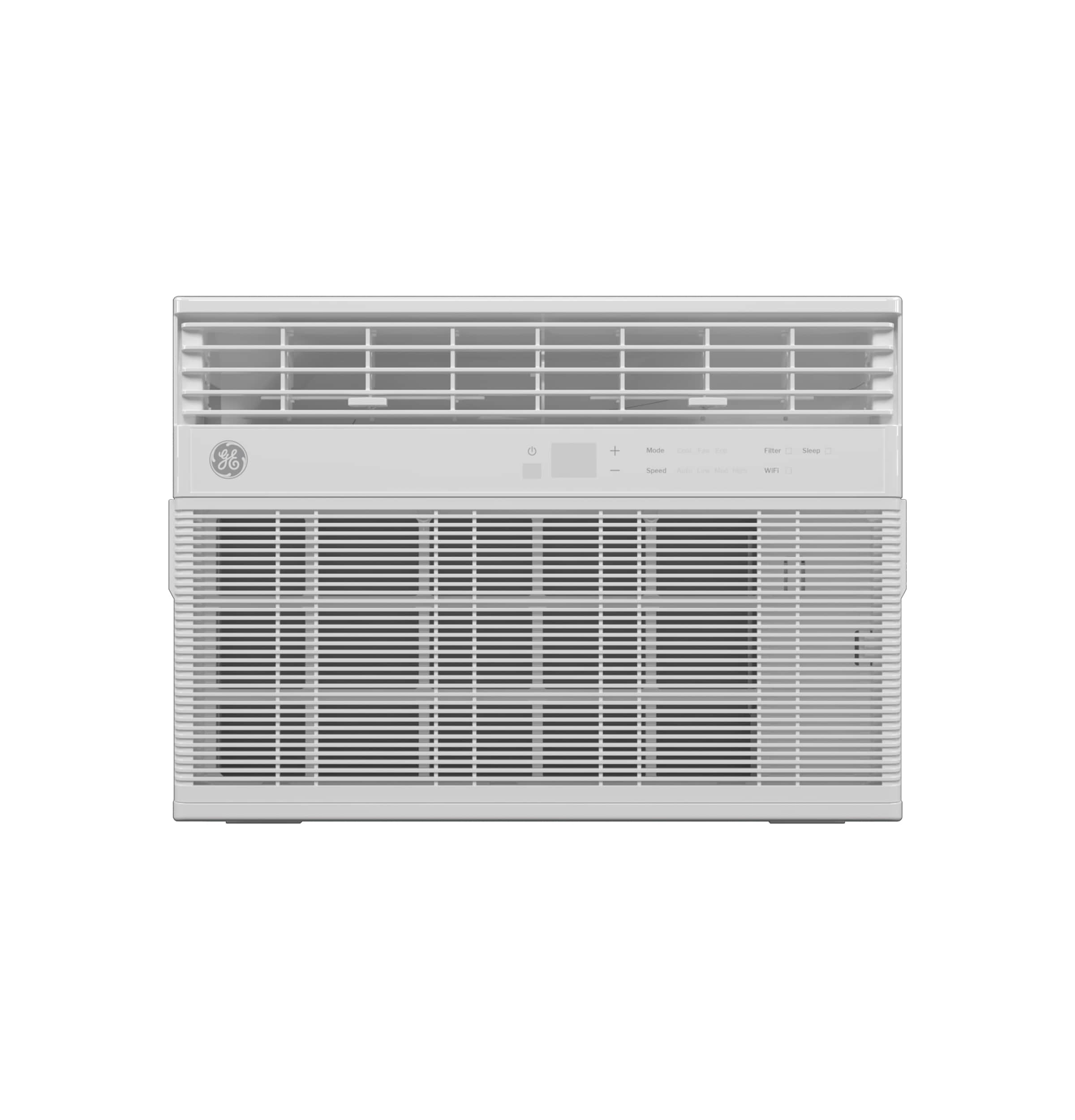
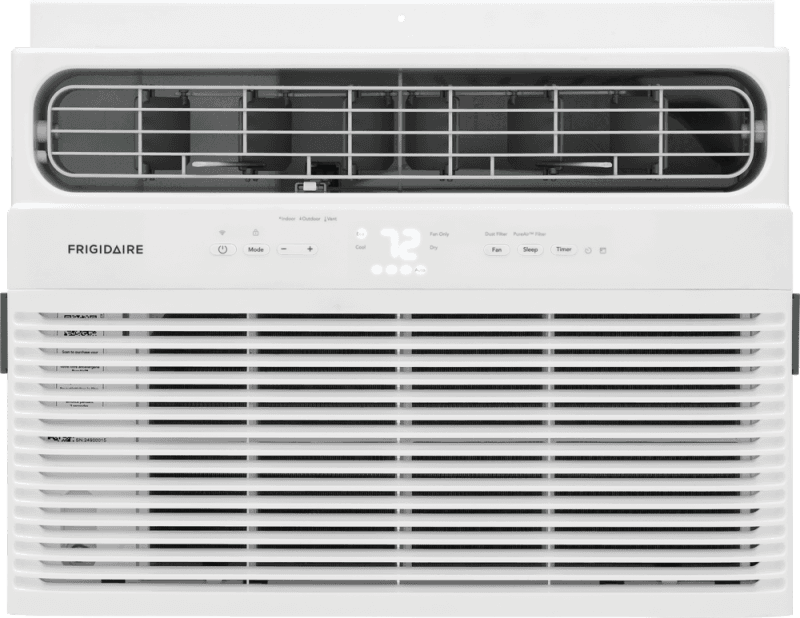
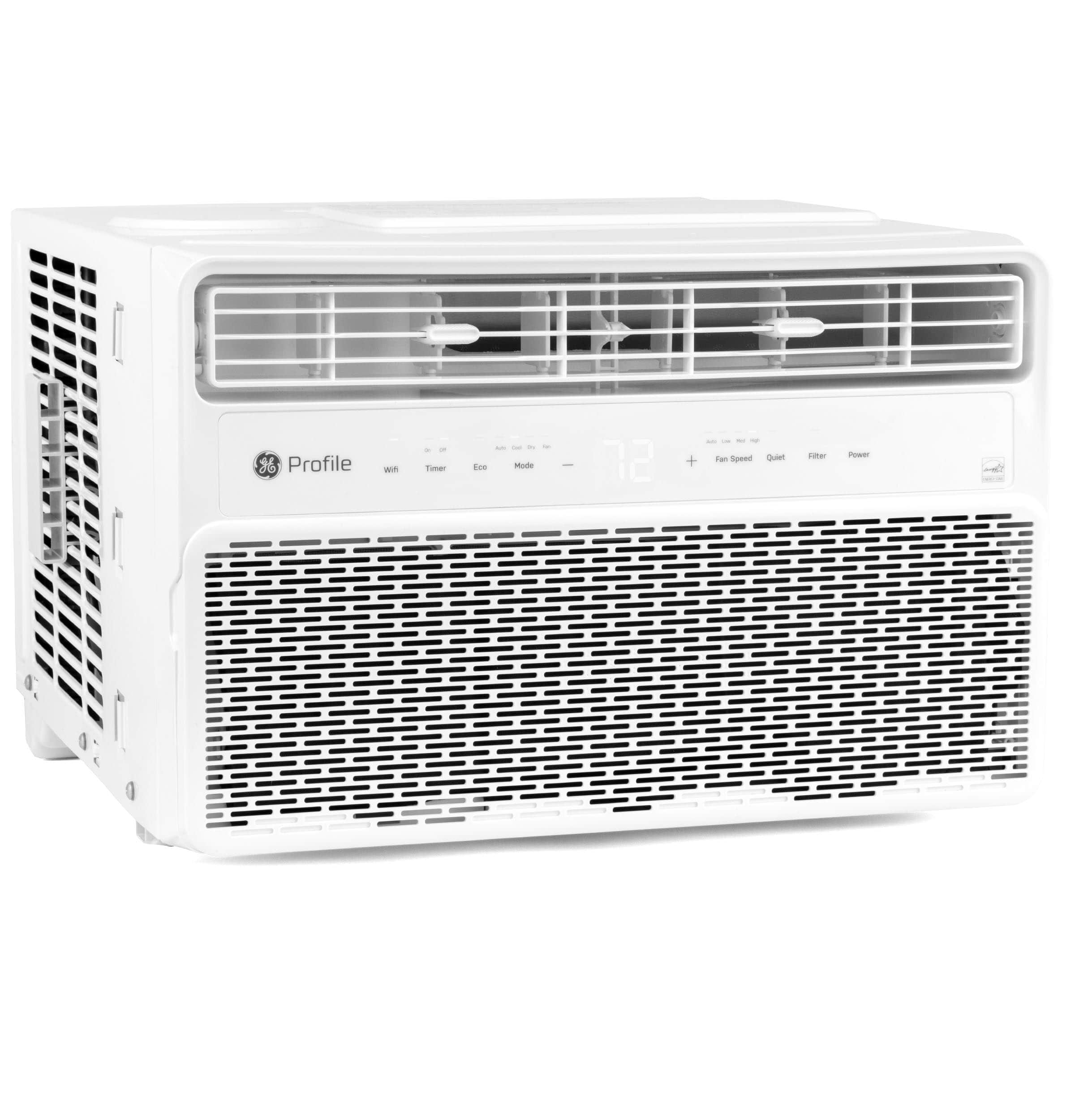
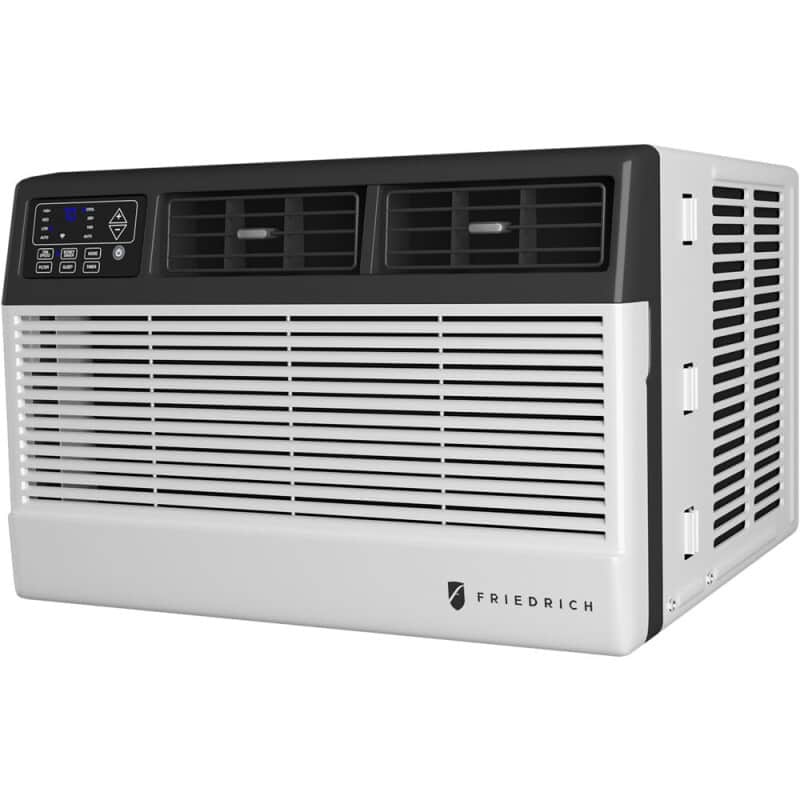
39 listedENERGY STAR's sizing table puts 10,000 BTU/hr at rooms up to about 450 sq ft.
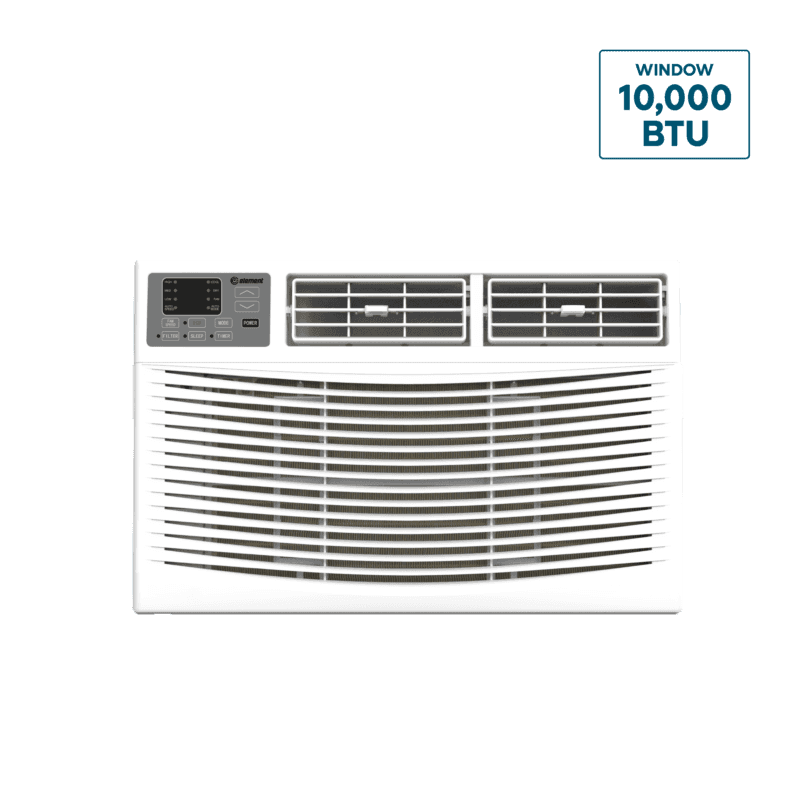
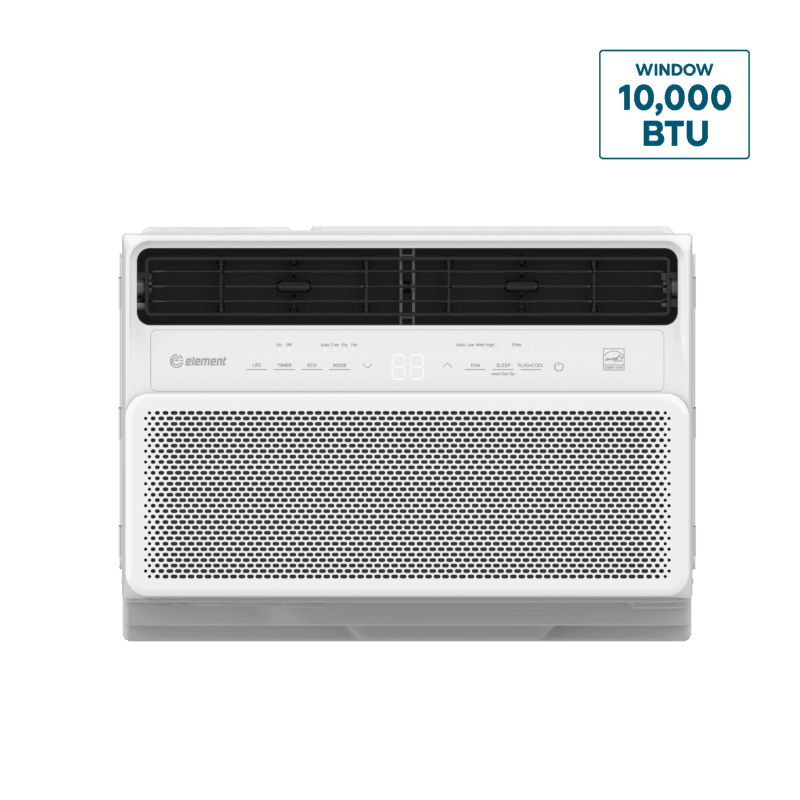
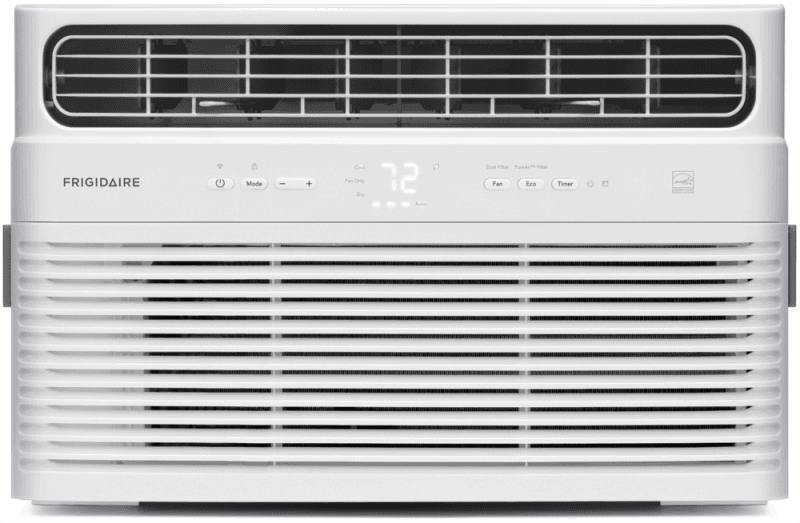
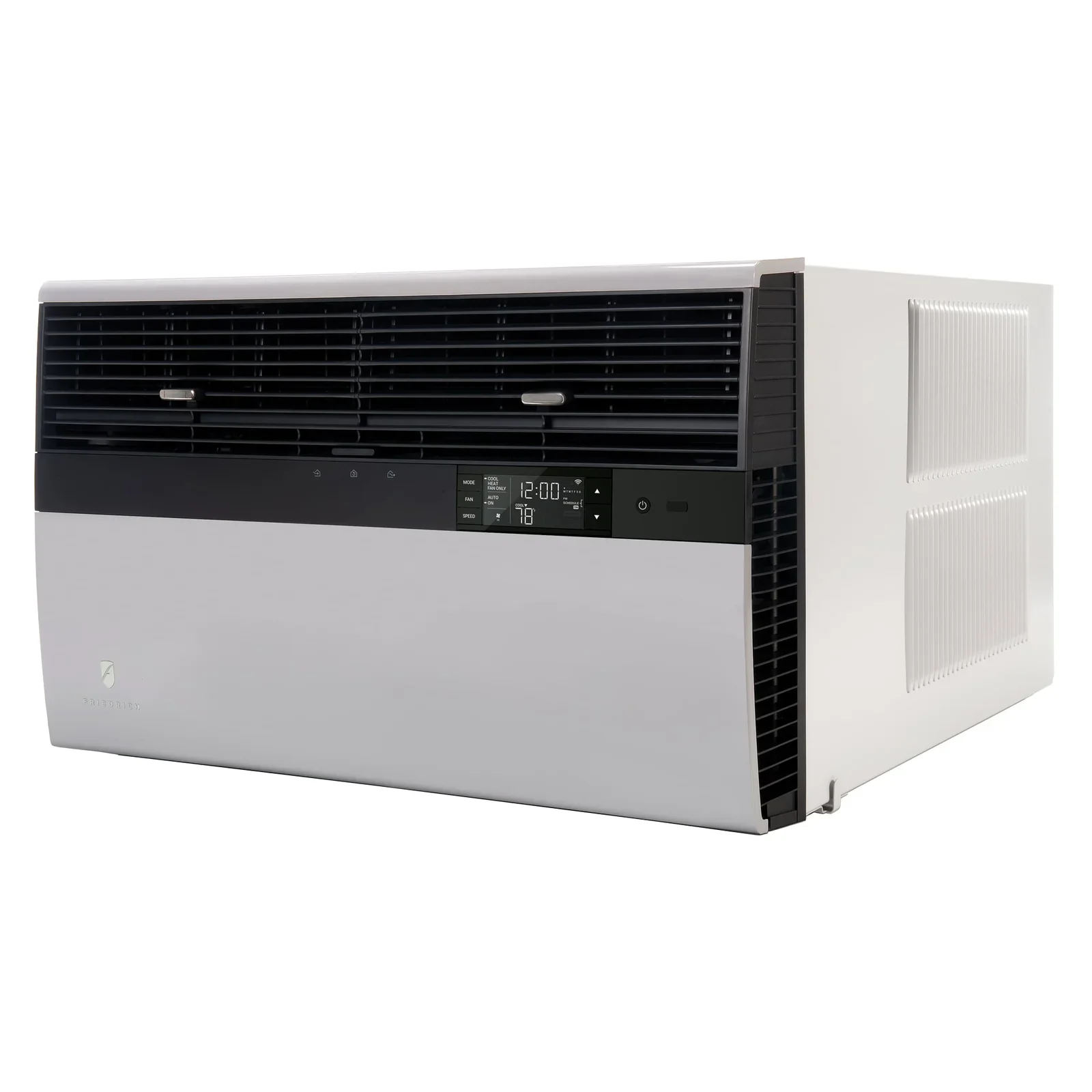
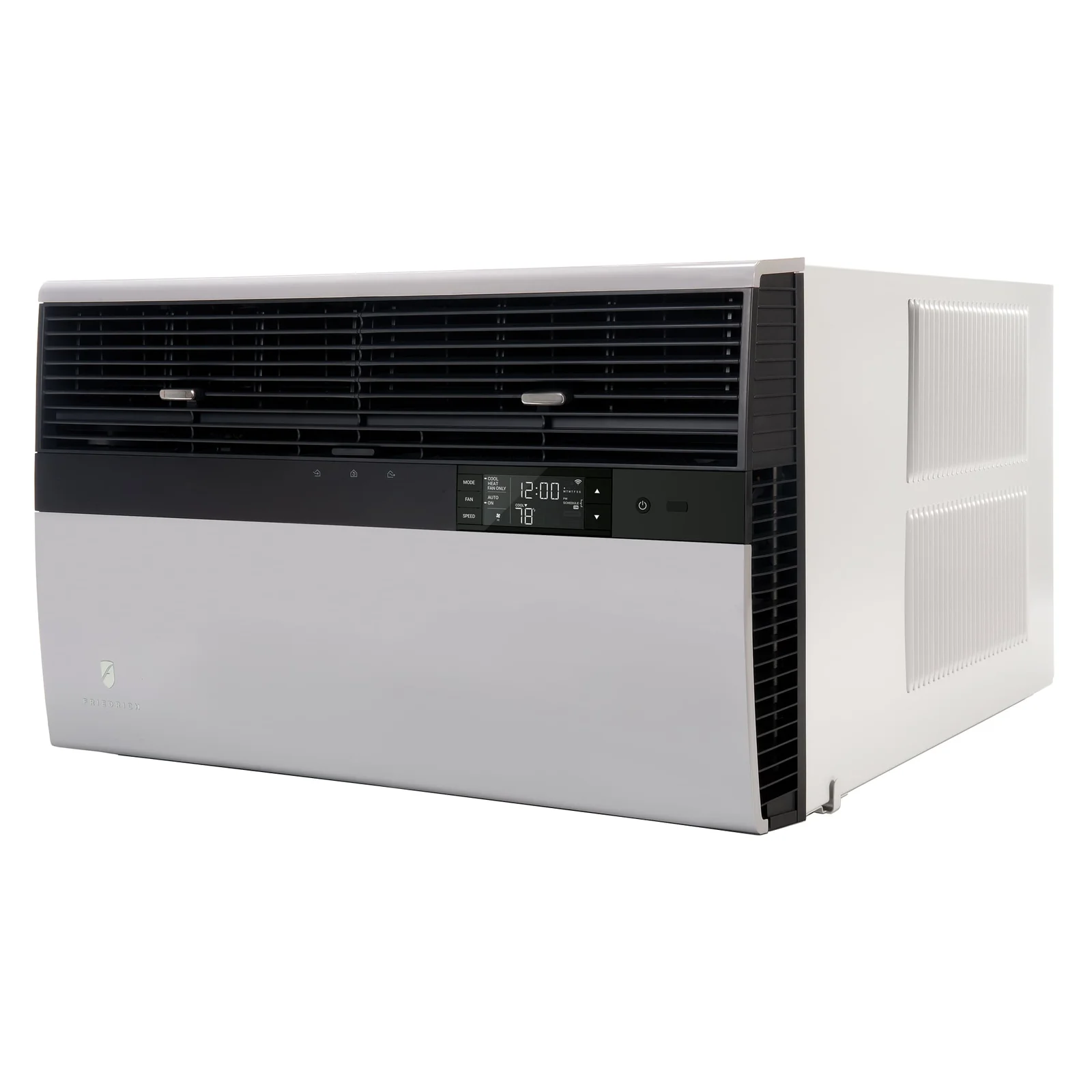
10,000 Btu, 115v Inverter Window Air Conditioner
Model: EHWR10BE10,000 BTU
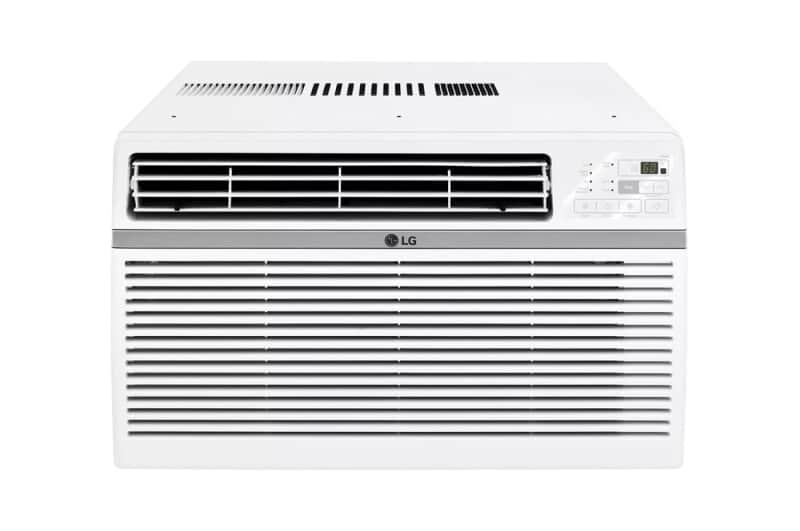
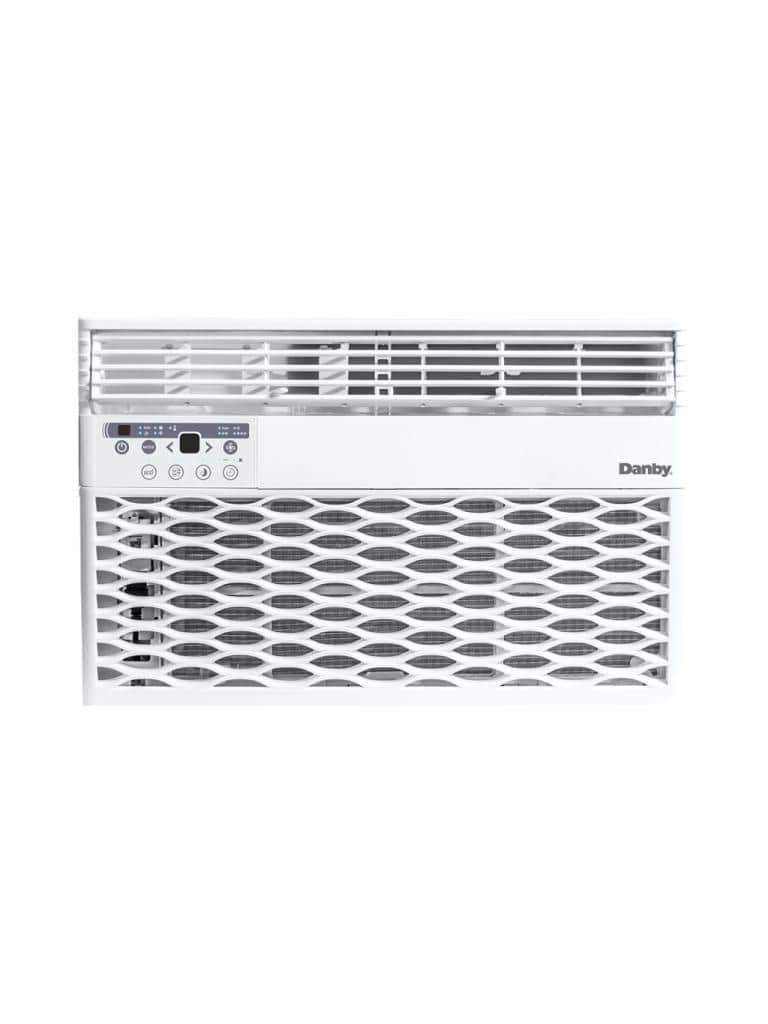
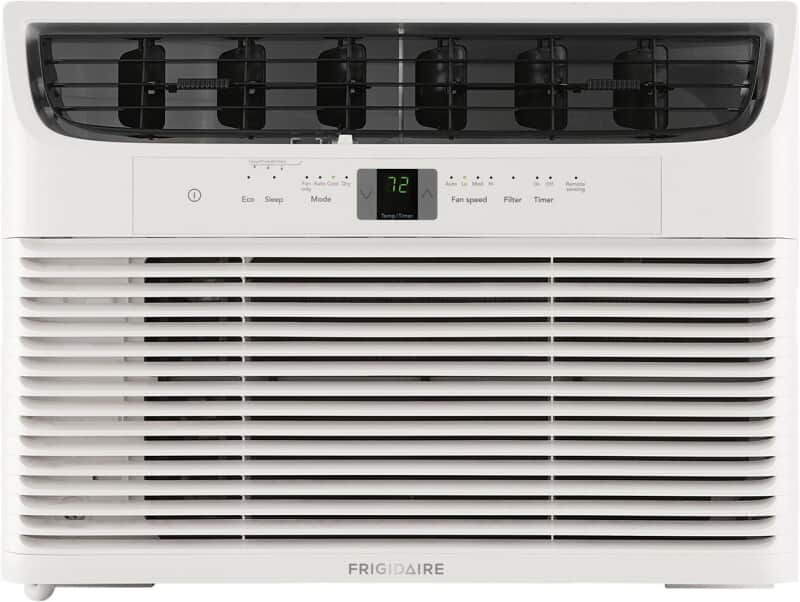
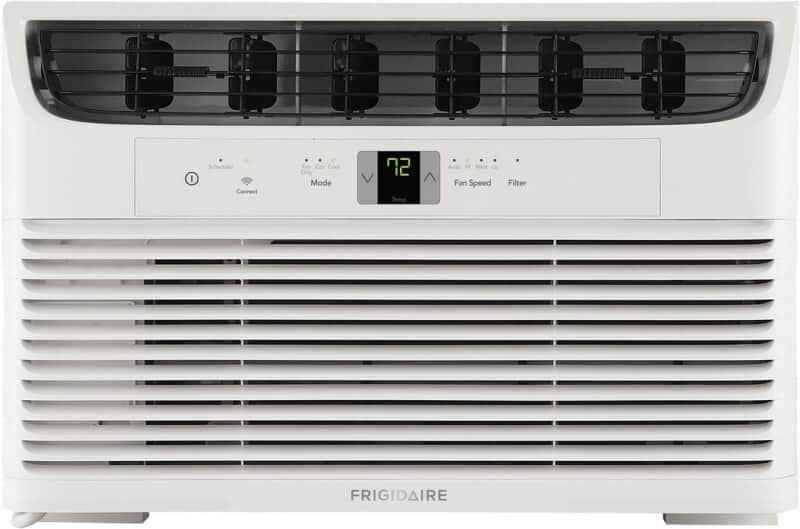
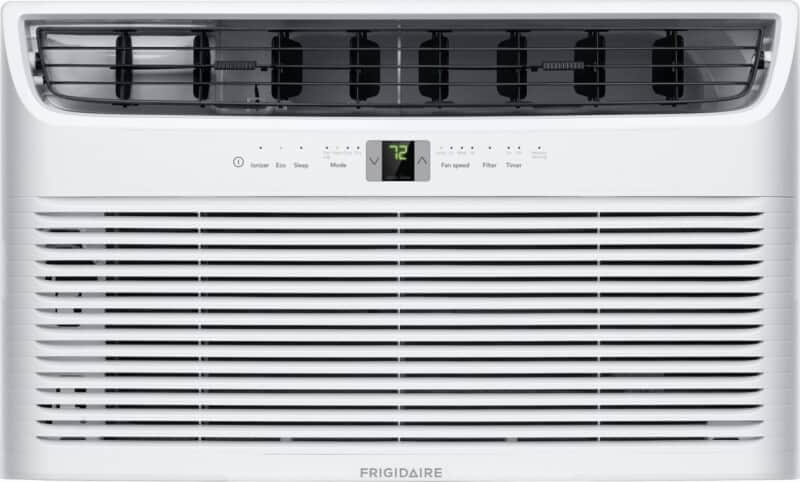
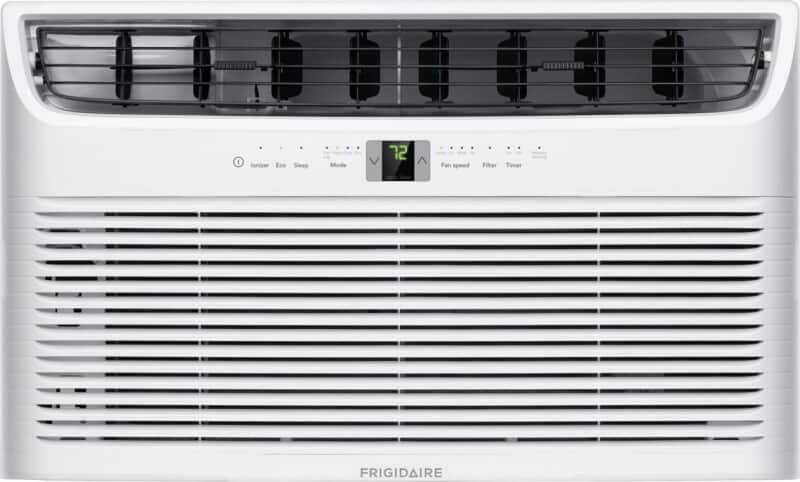
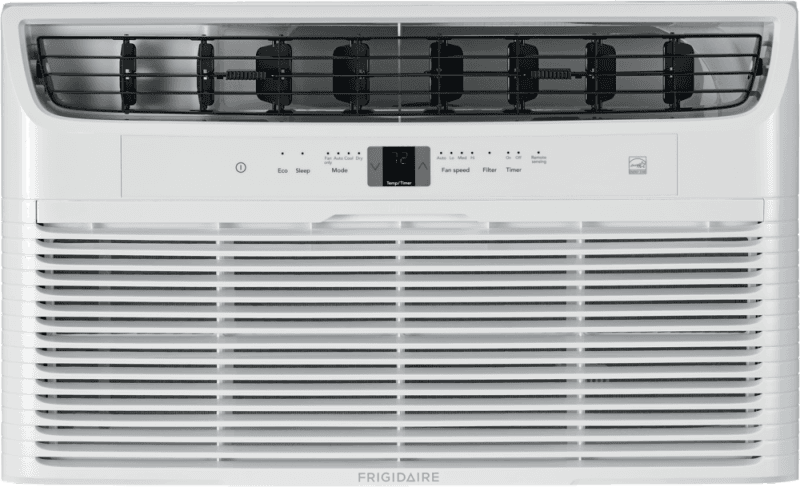
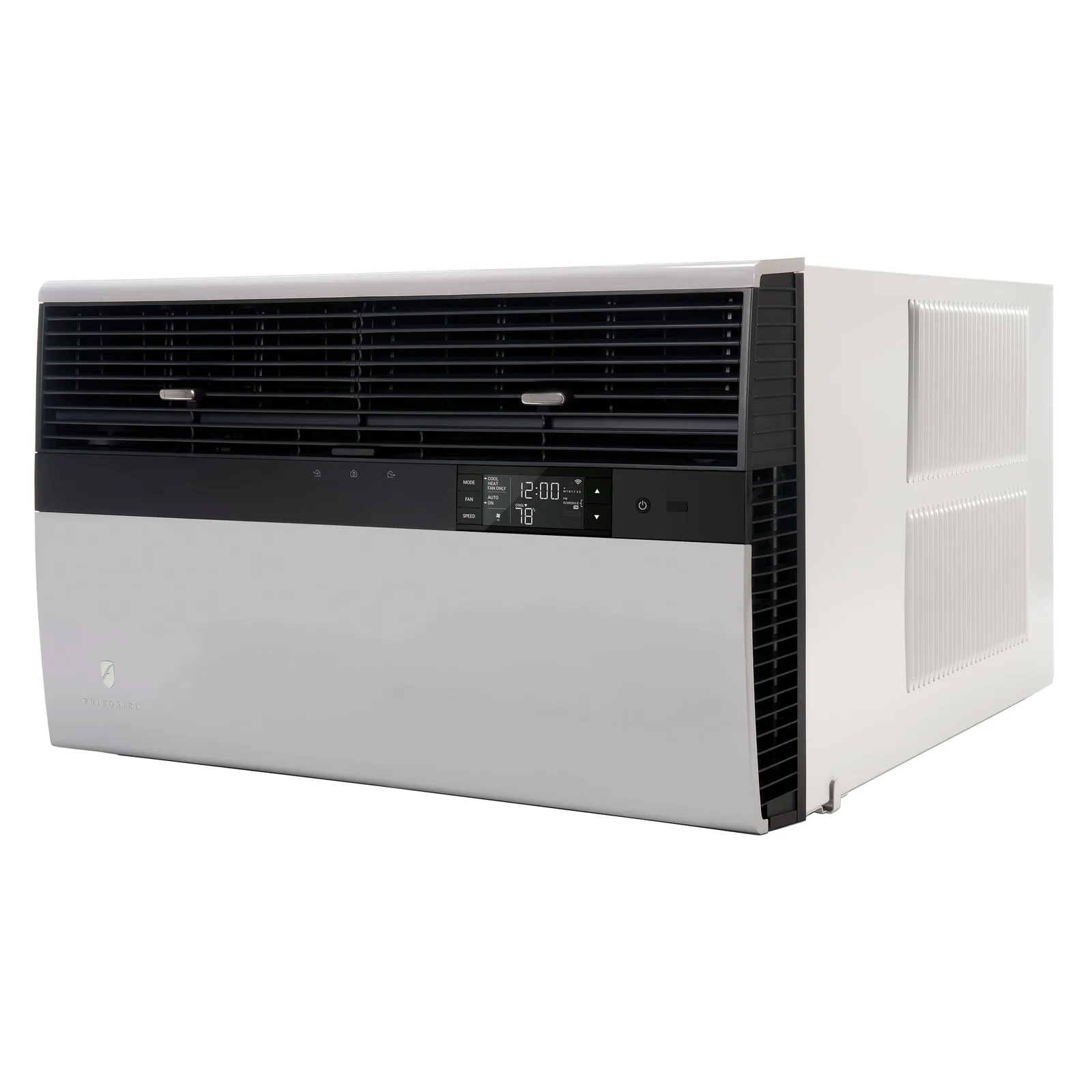
10,000 BTU Window Room Air Conditioner
Model: FHWC103TC110,000 BTU
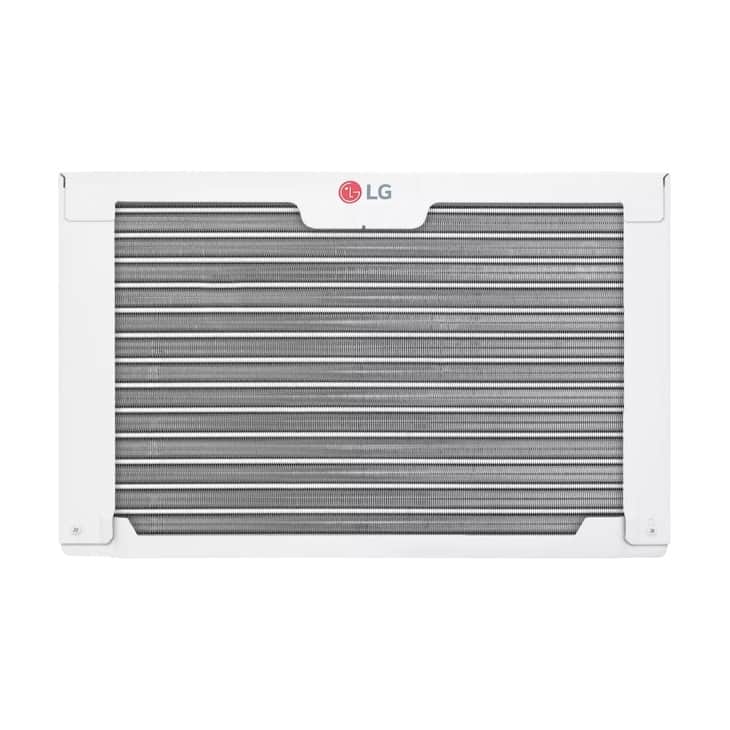
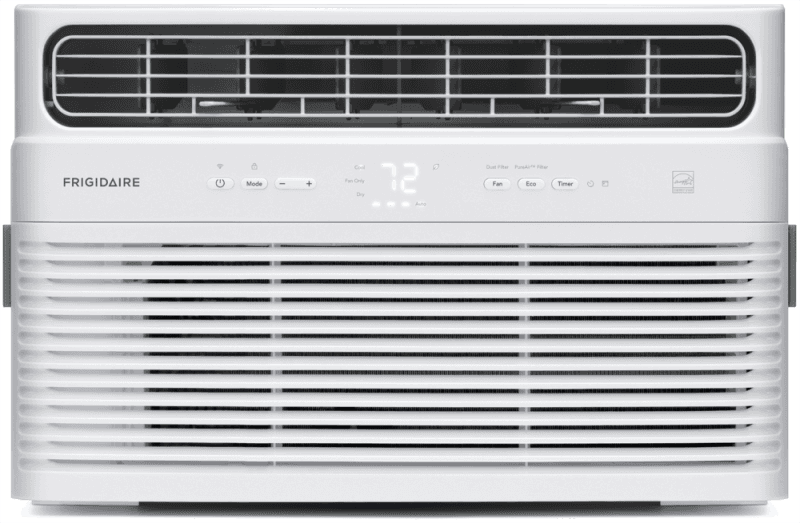
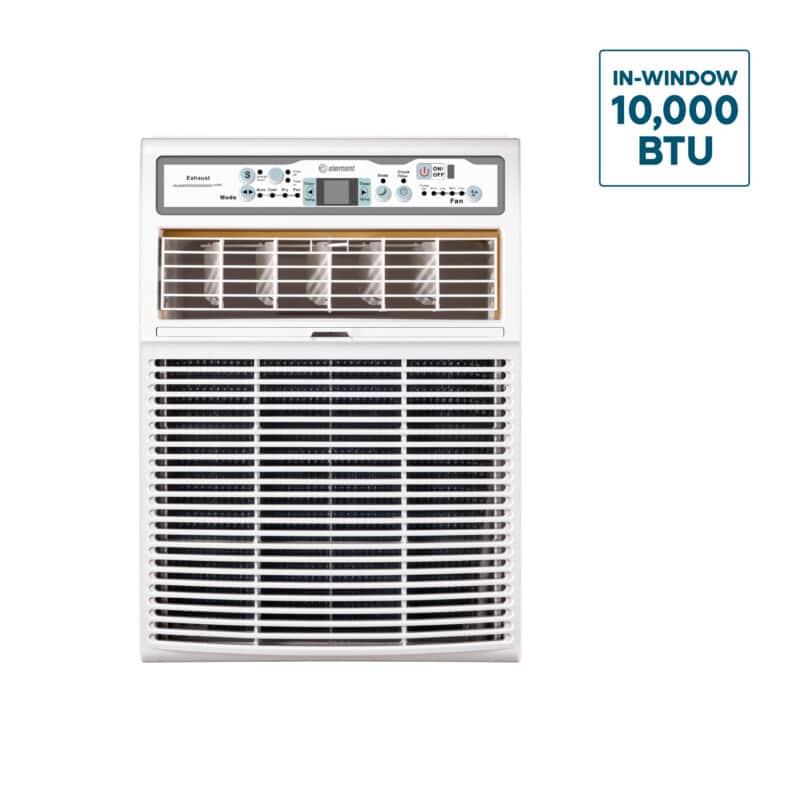
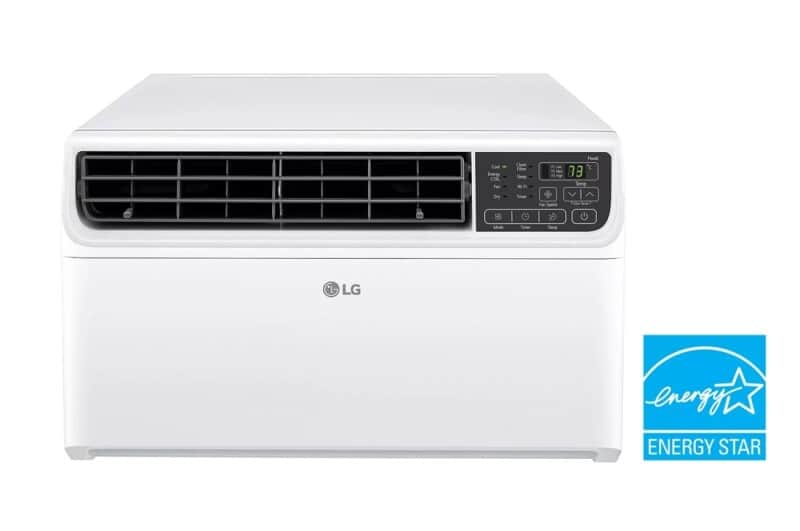
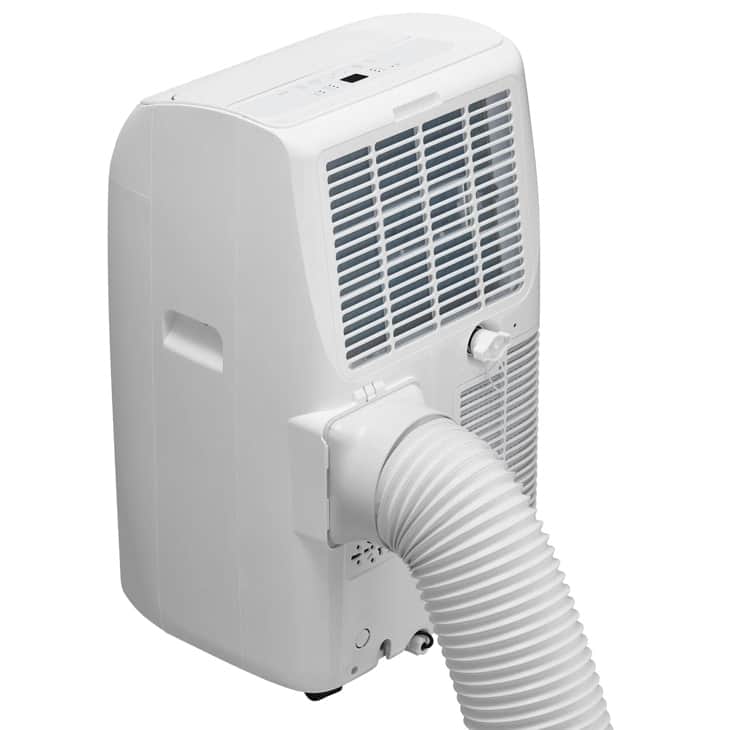
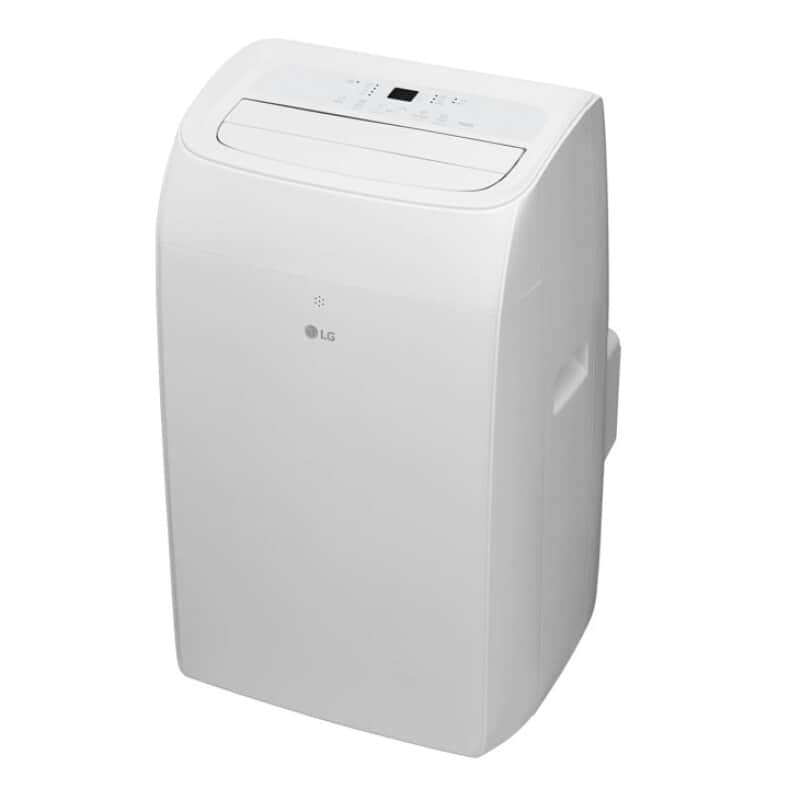
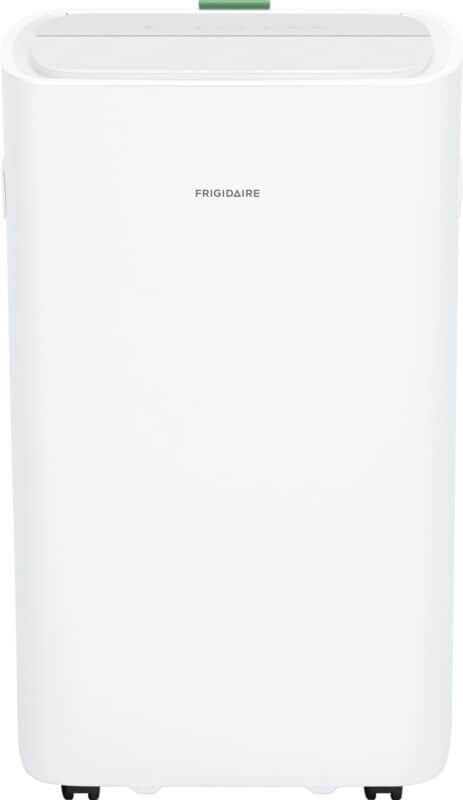
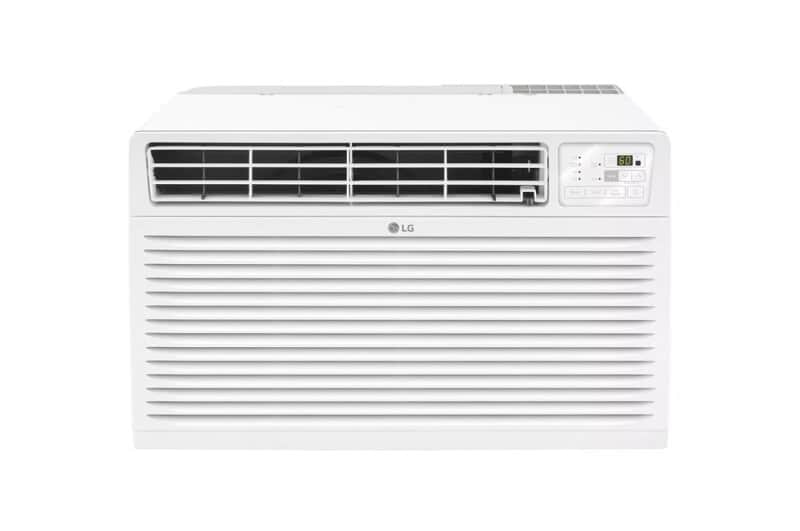
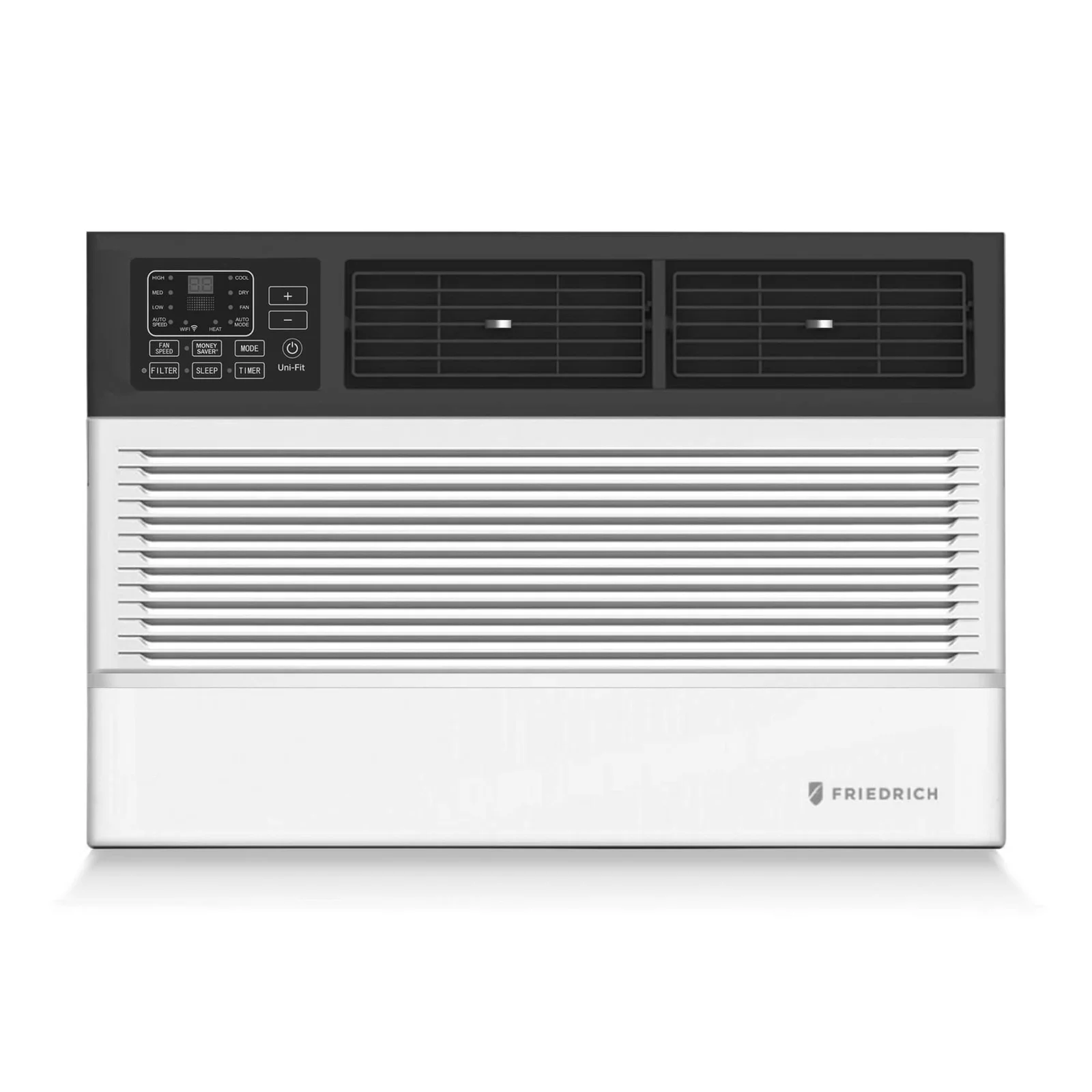
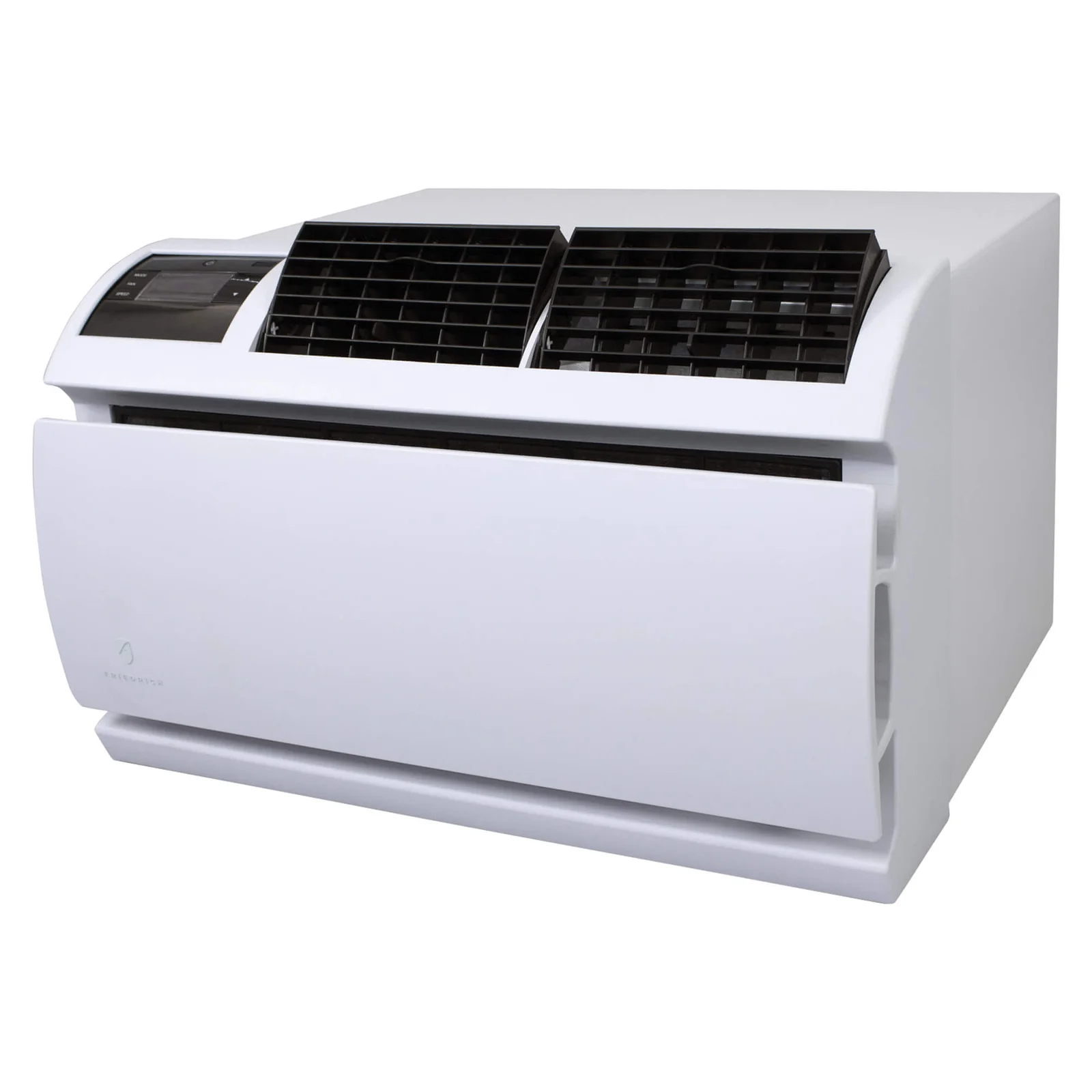
11,800 Btu 230v Through-the-wall Air Conditioner
Model: LT1236CER11,800 BTU
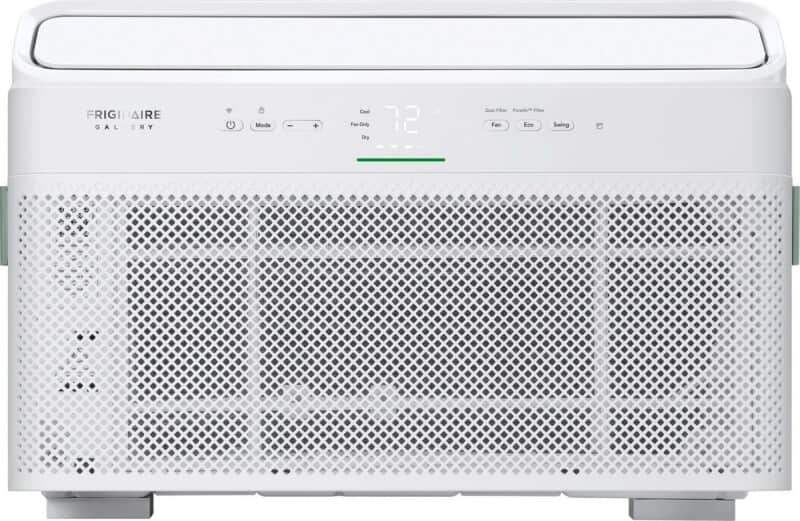
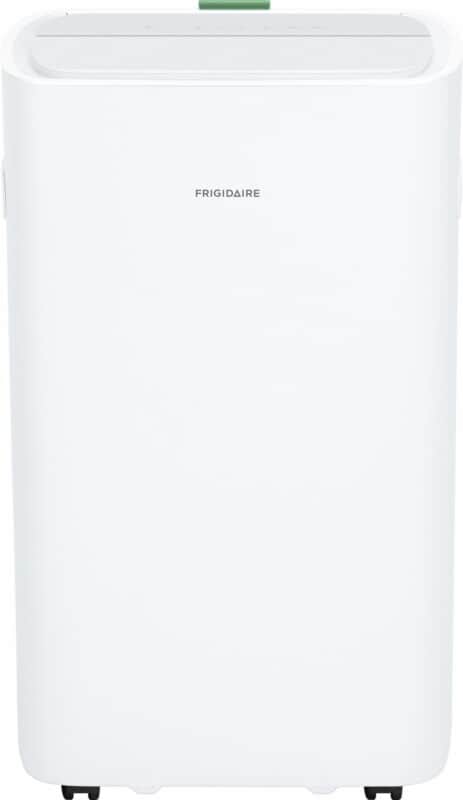
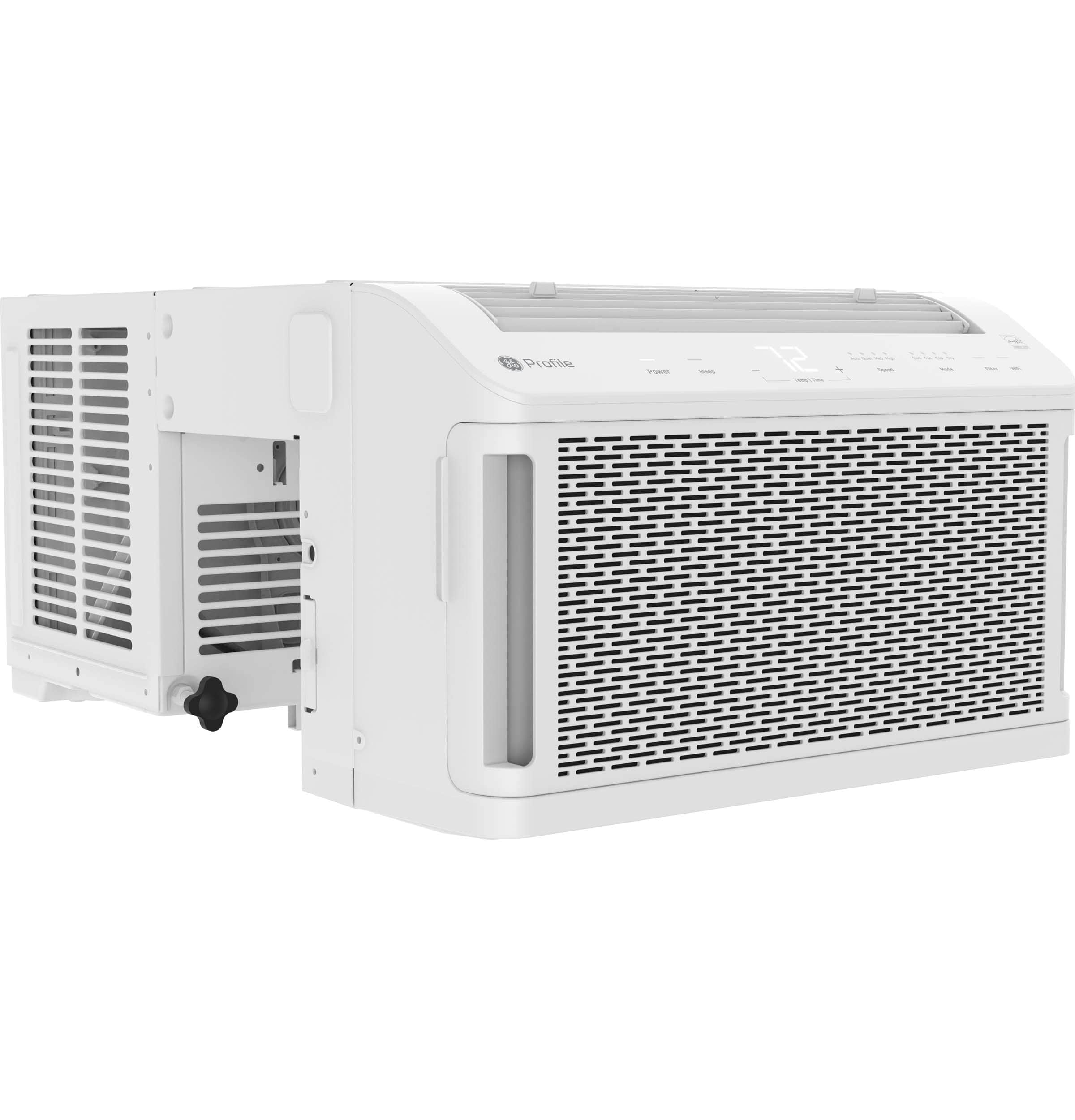
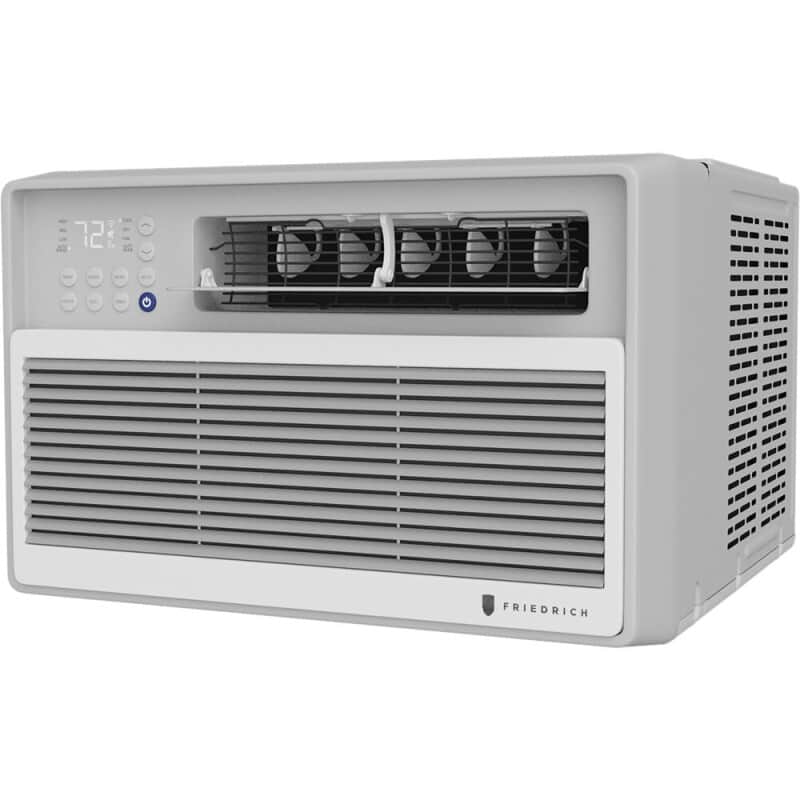
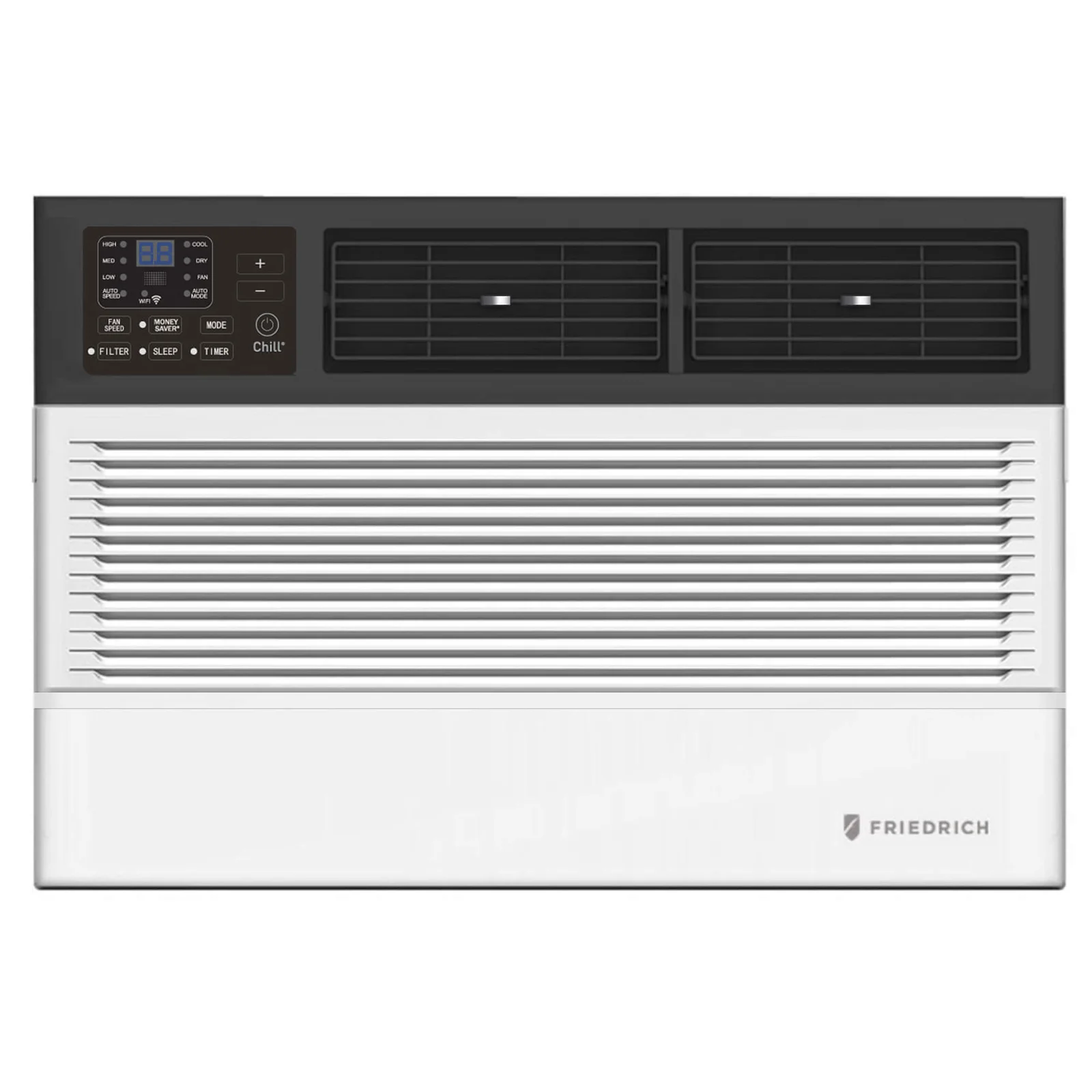
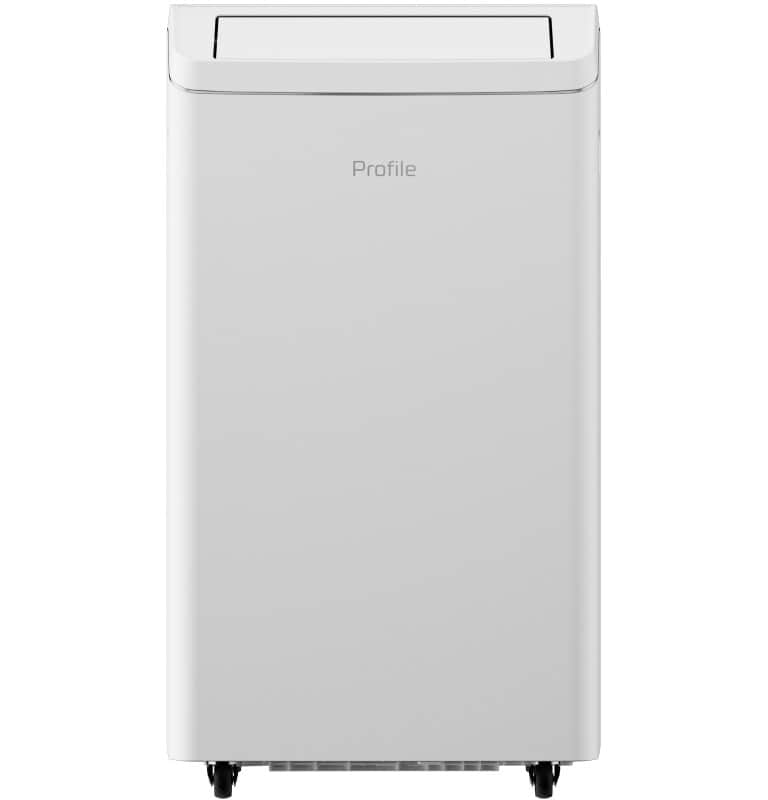
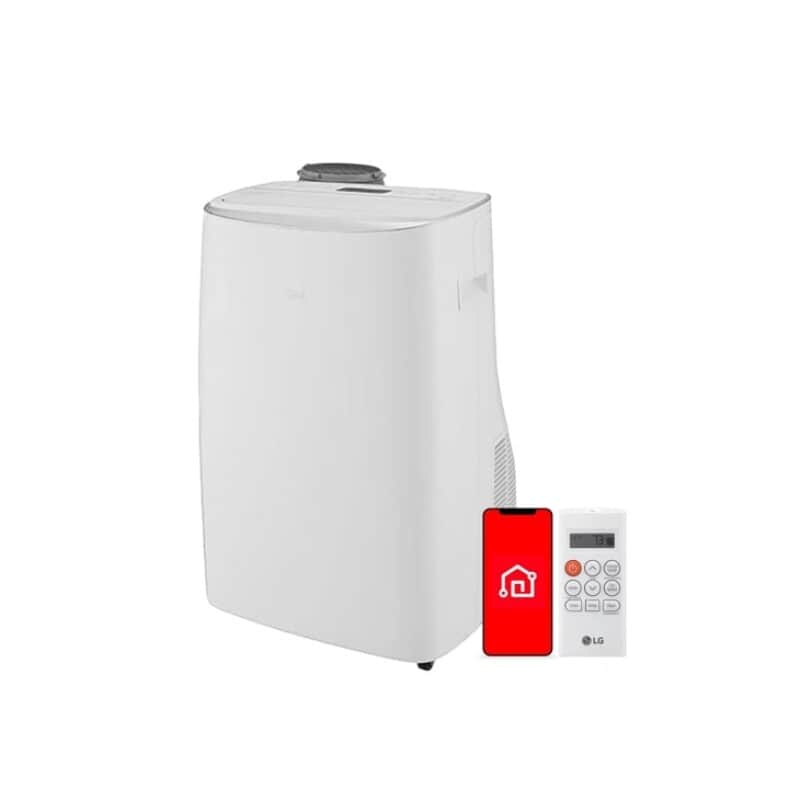
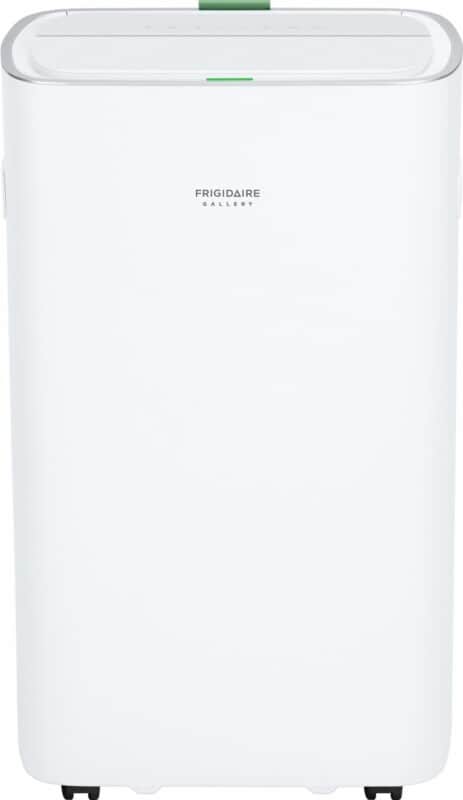
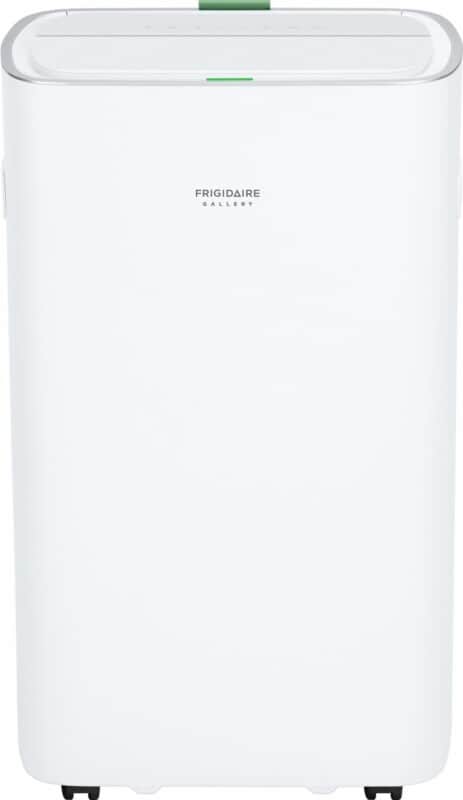
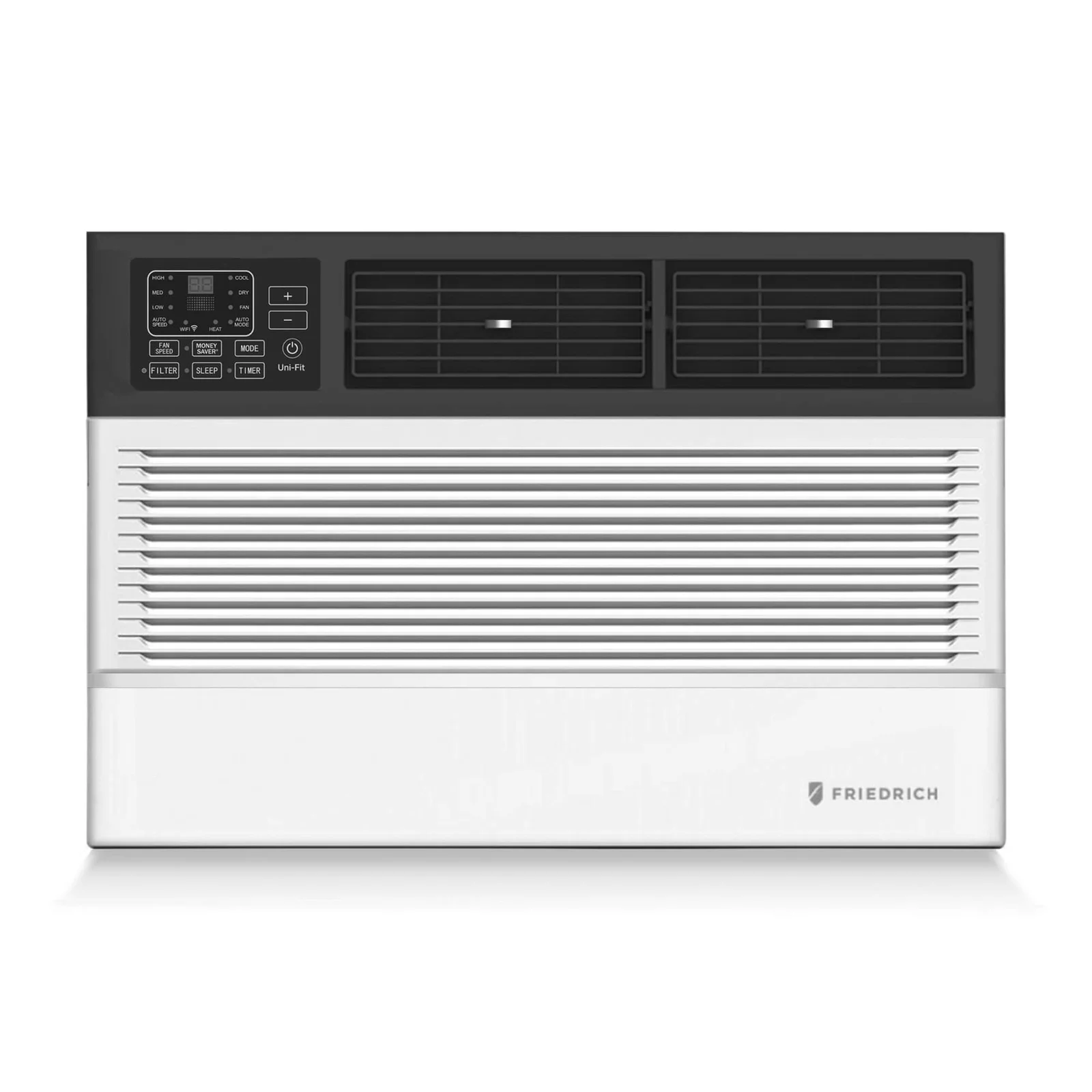
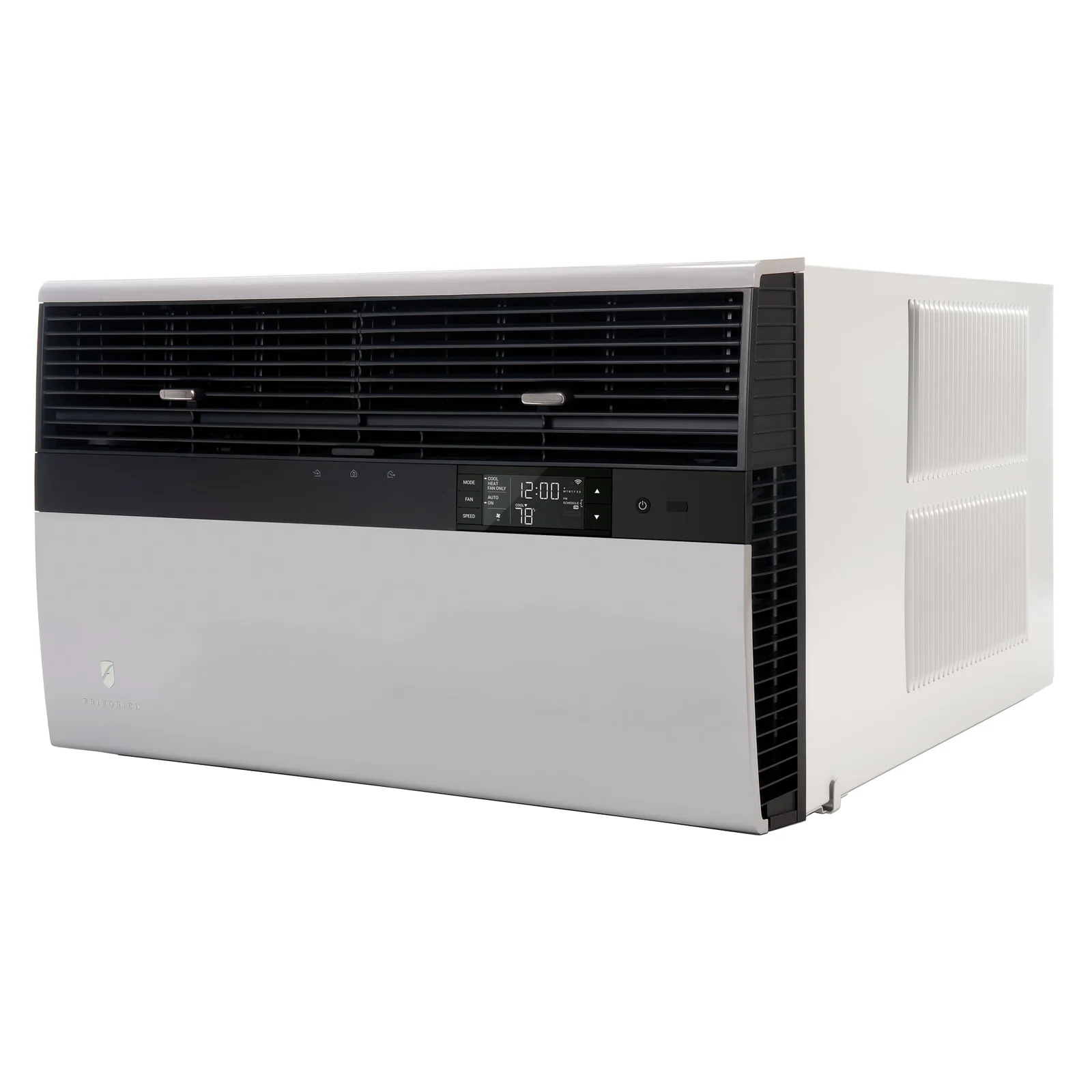
12,000–13,999 BTU
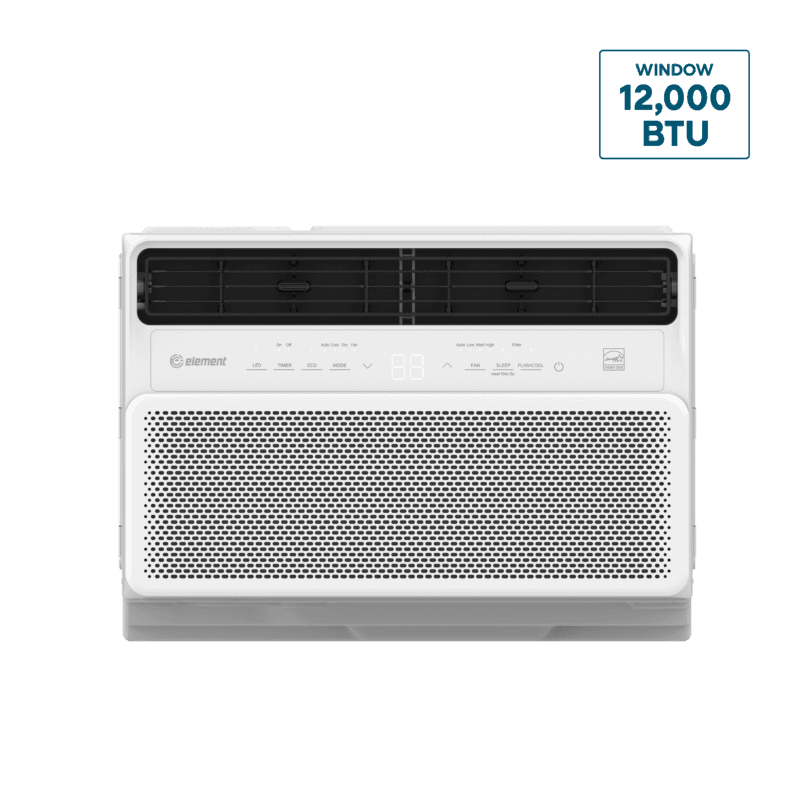
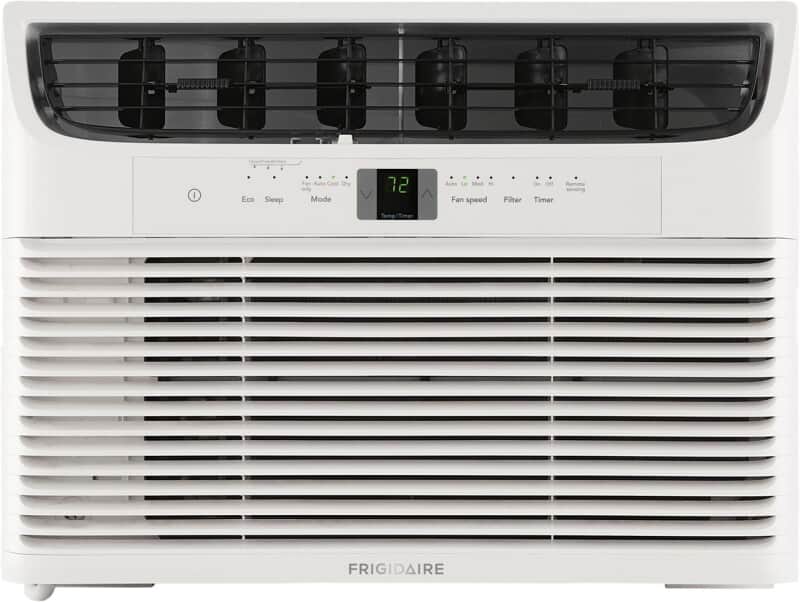
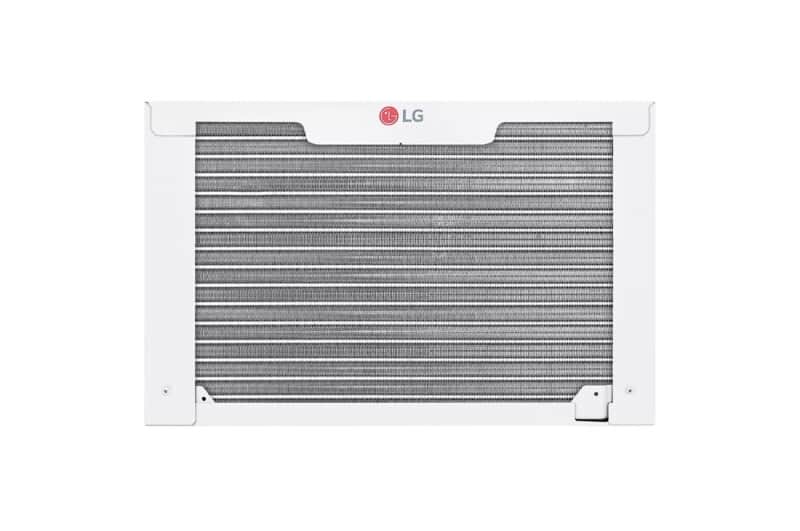
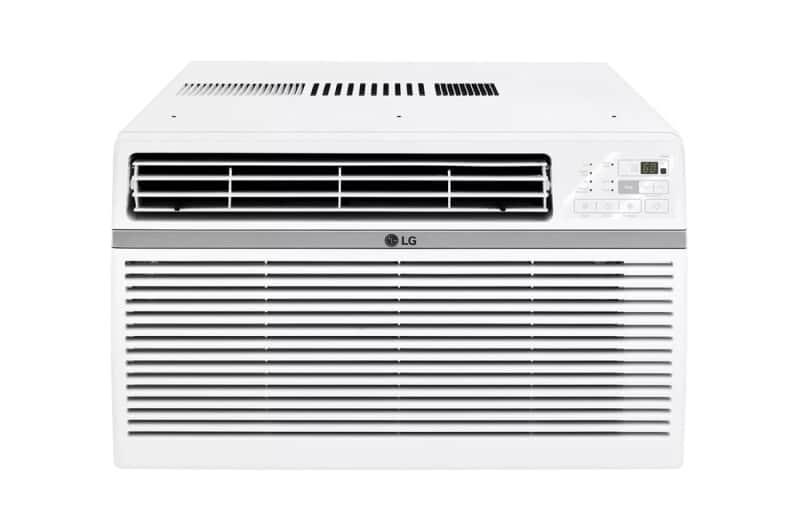
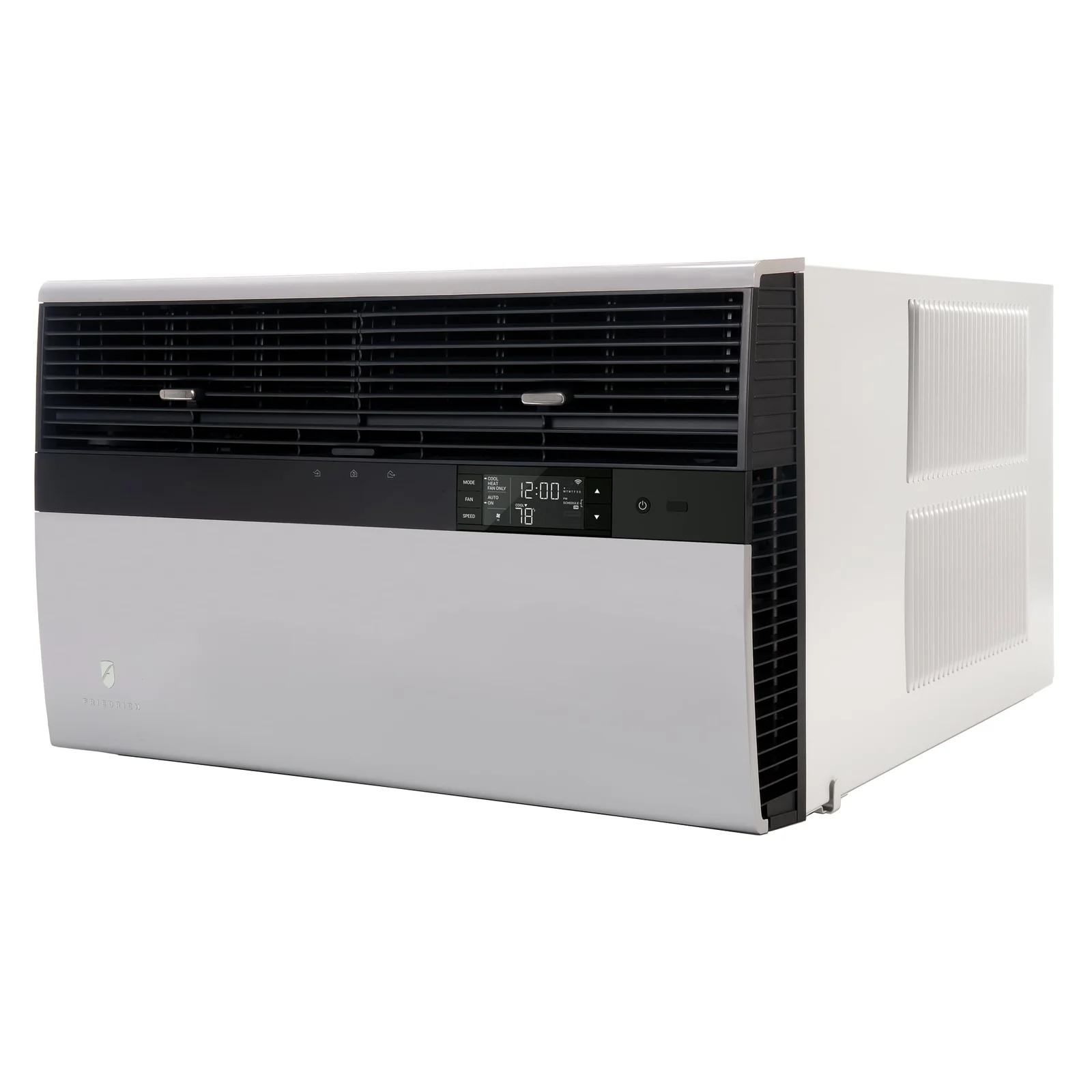
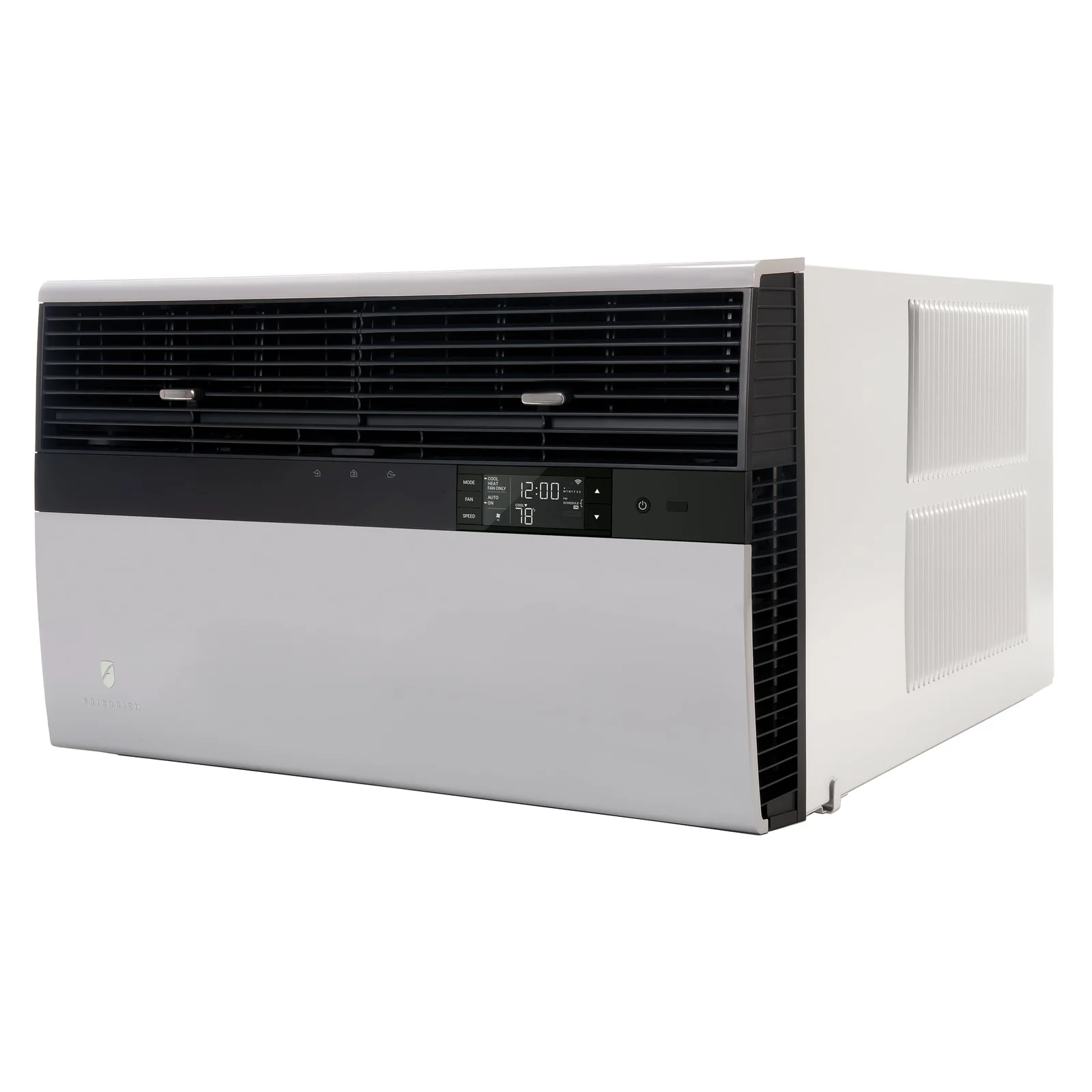
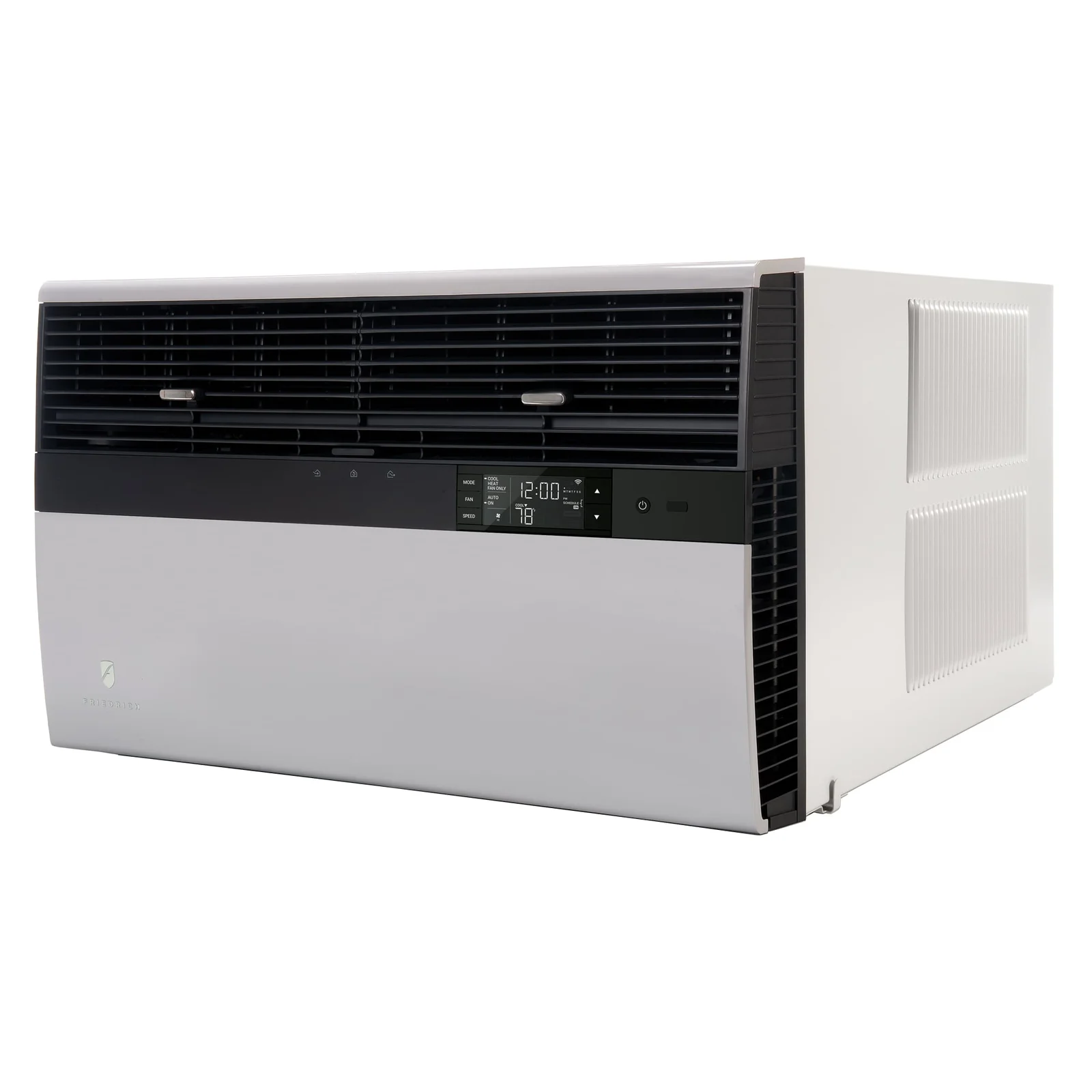
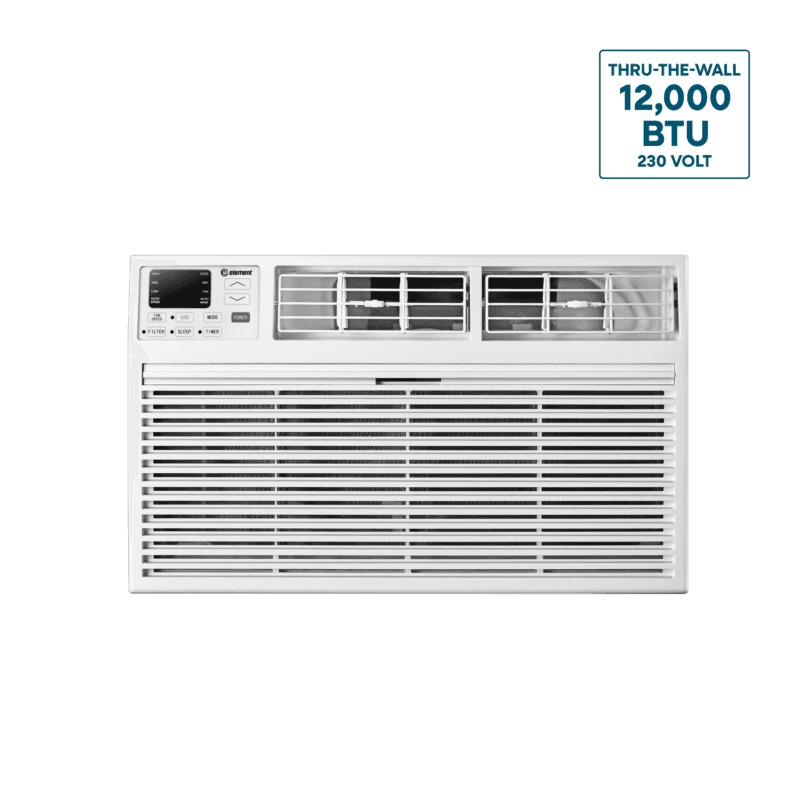
32 listedENERGY STAR's sizing table puts 12,000 BTU/hr at rooms up to about 550 sq ft.
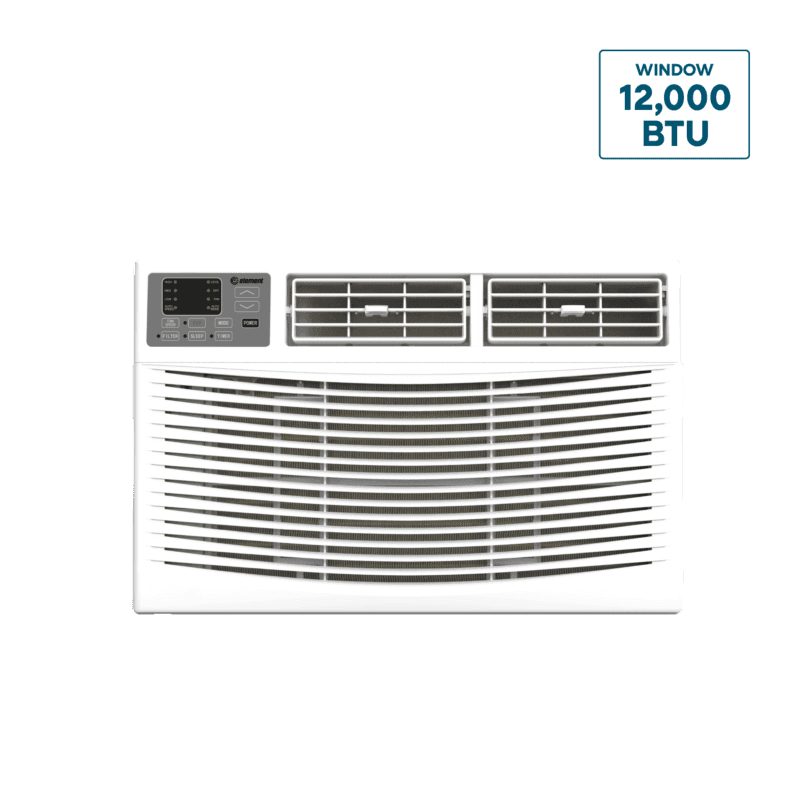
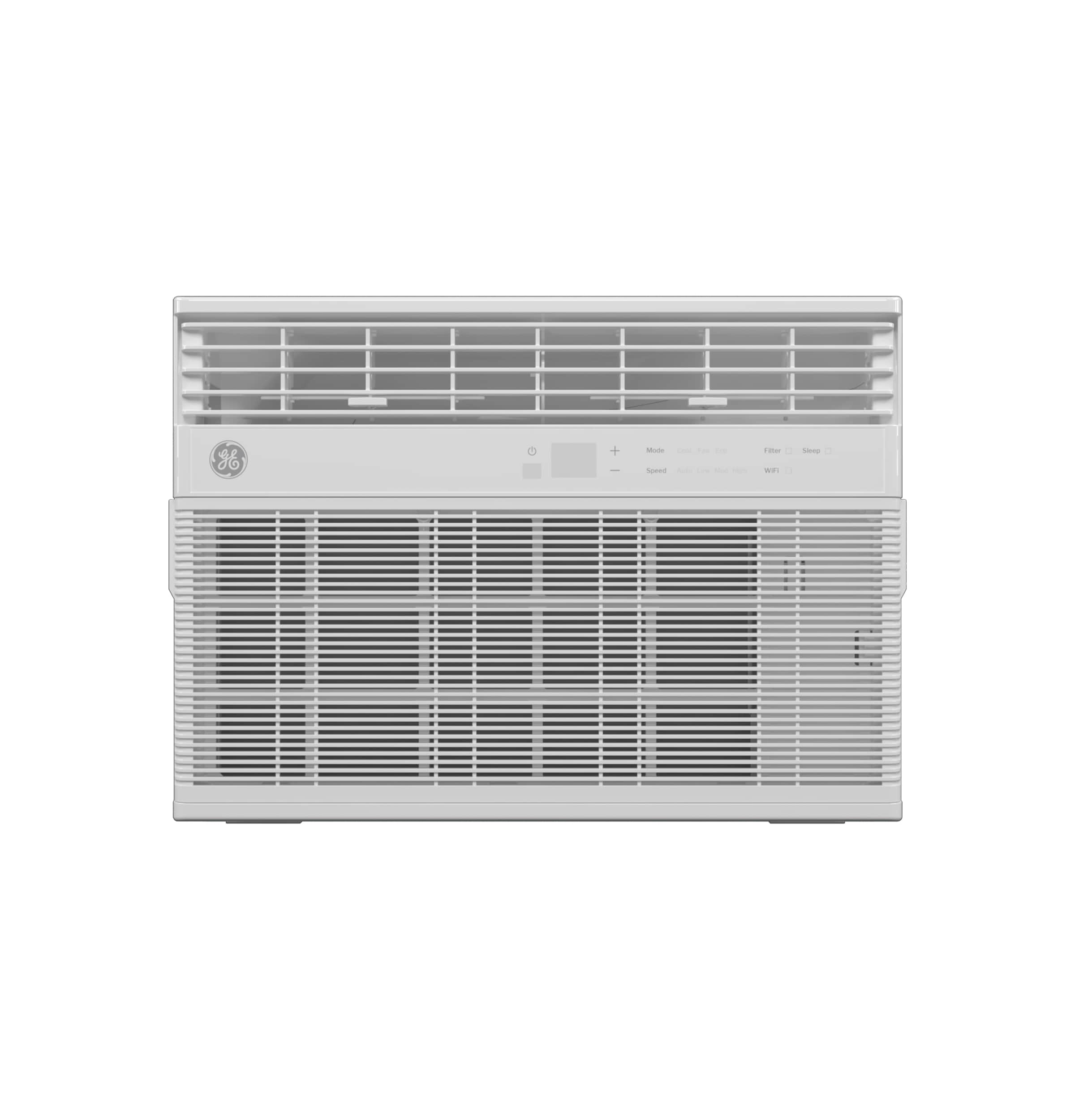
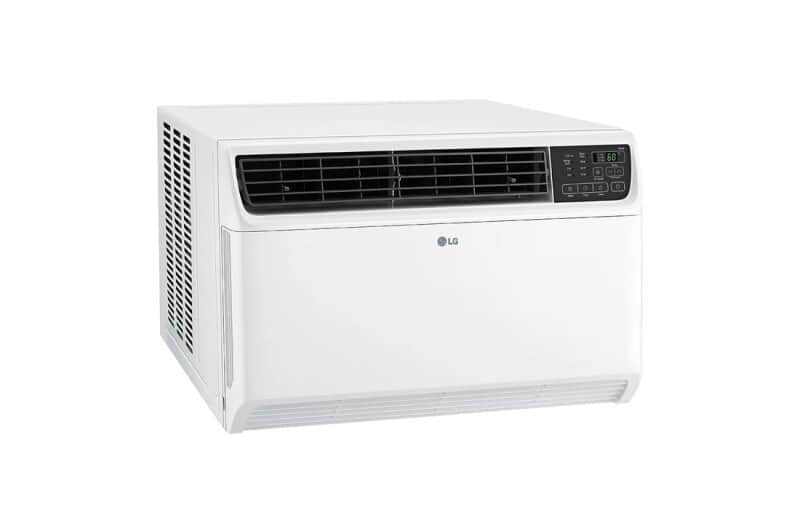
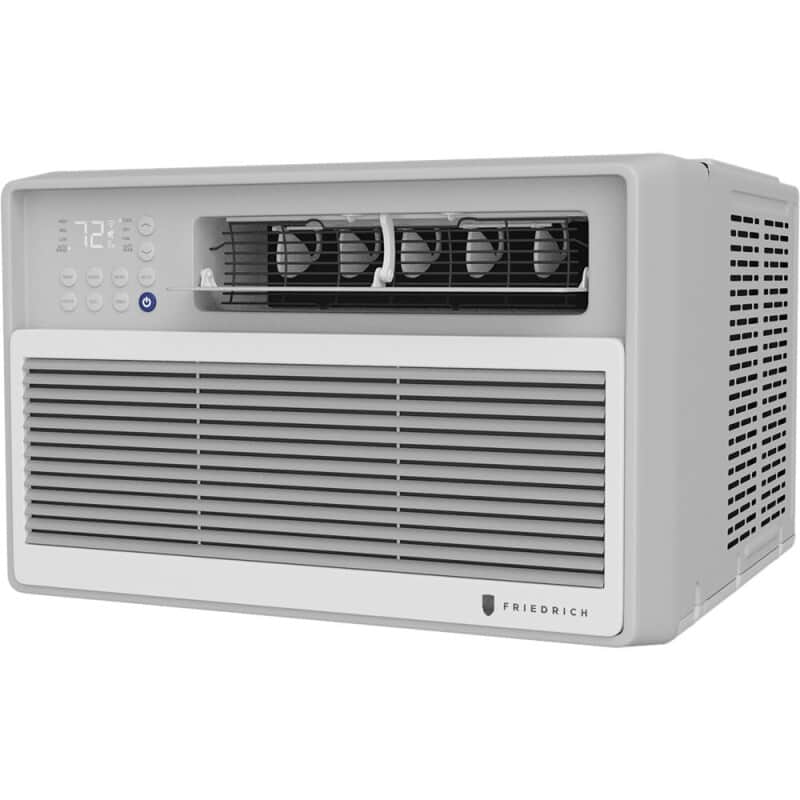
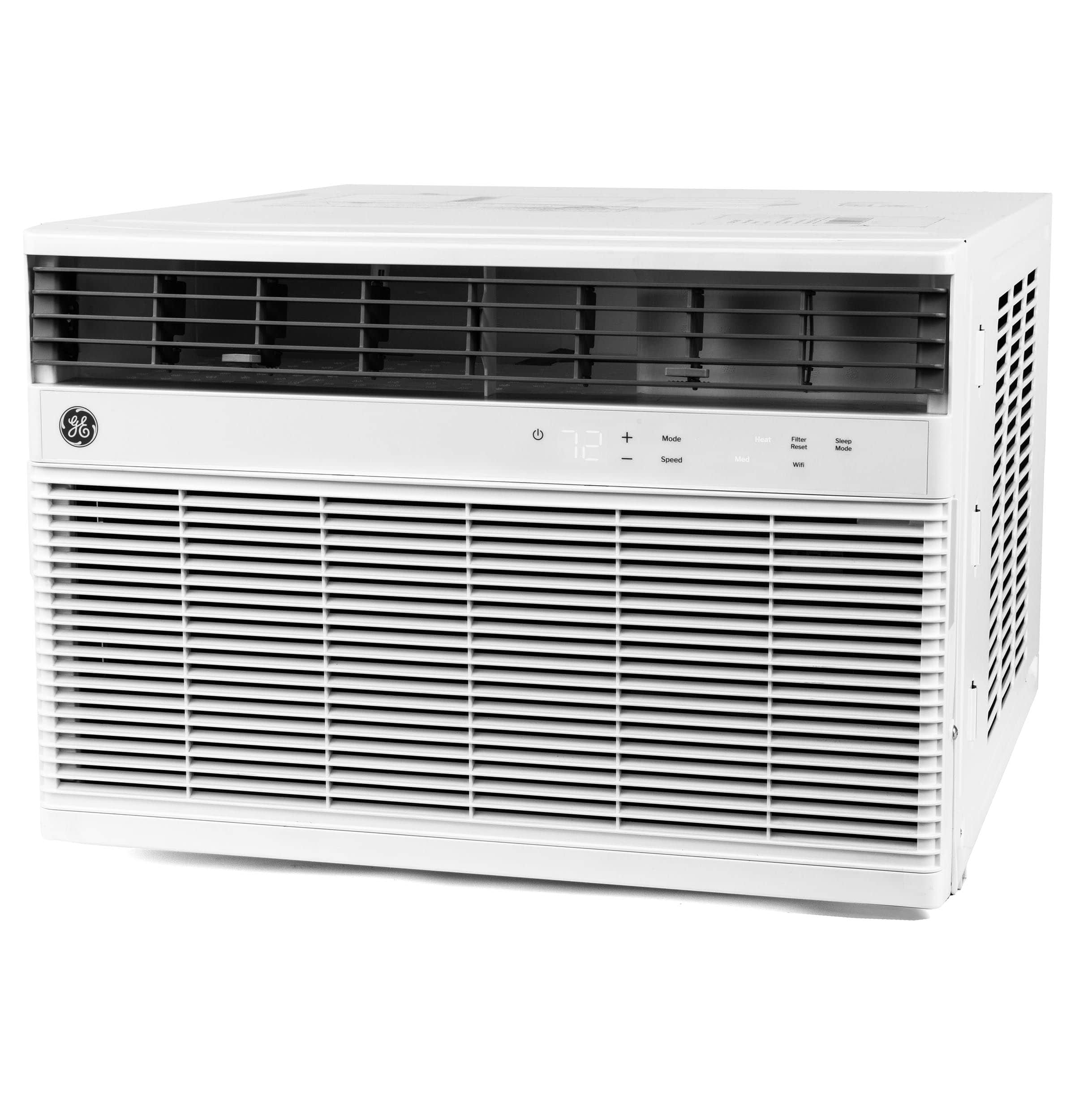
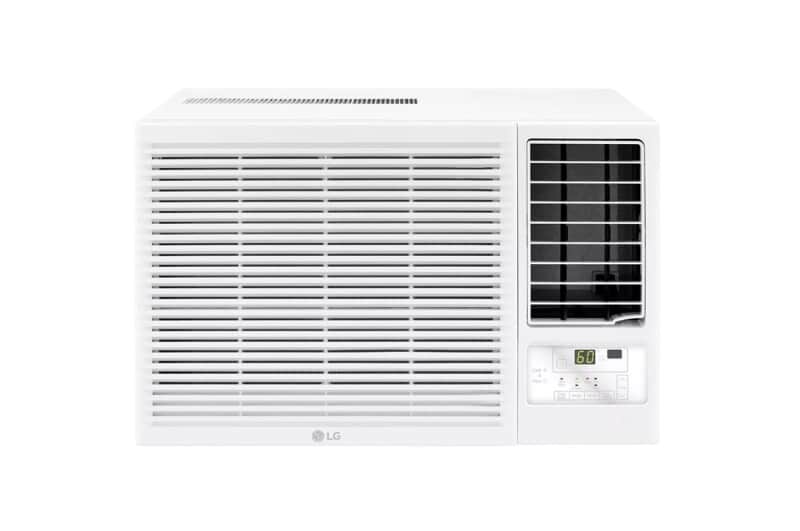
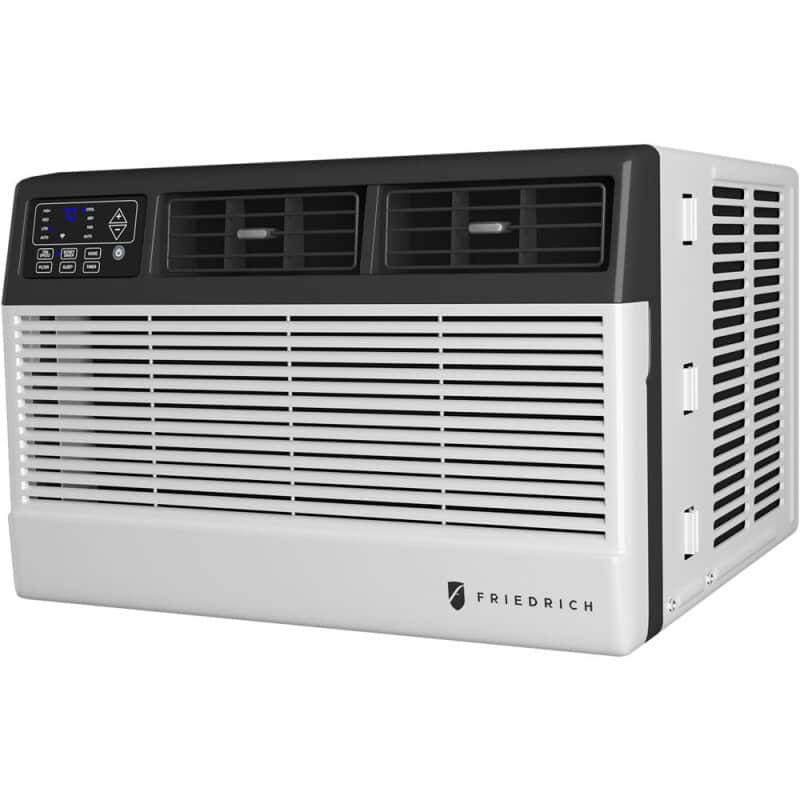
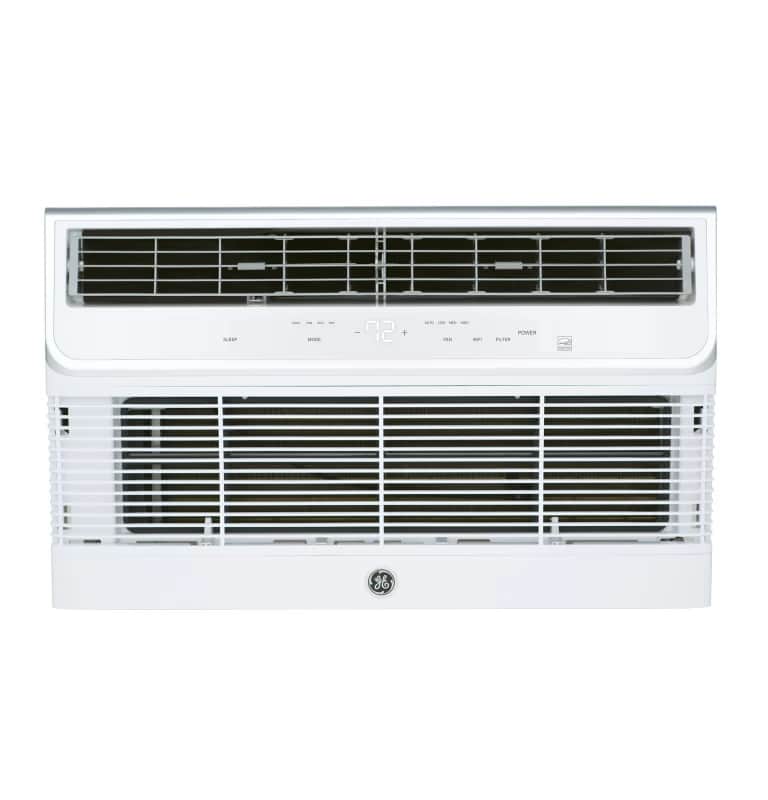
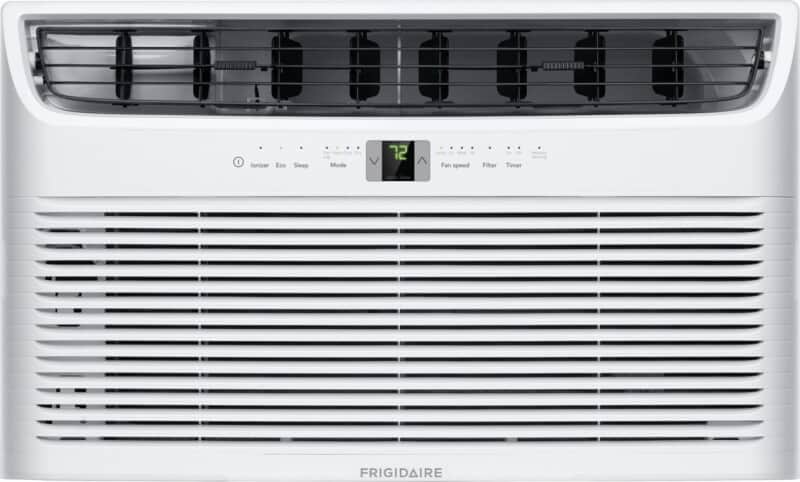
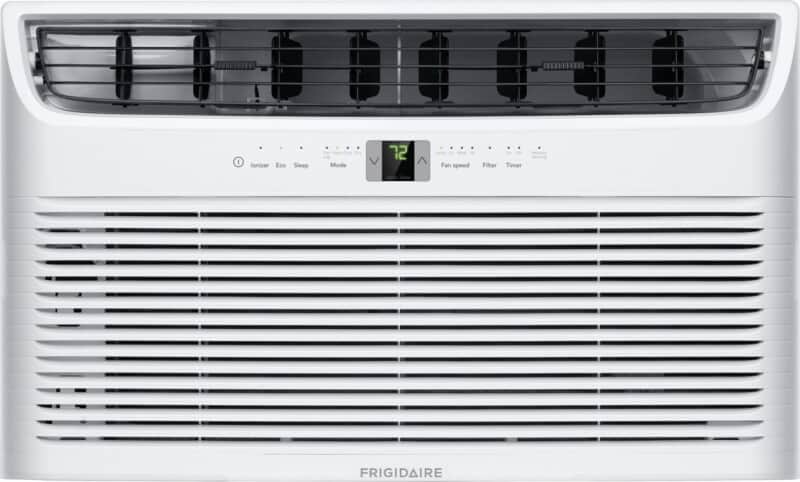
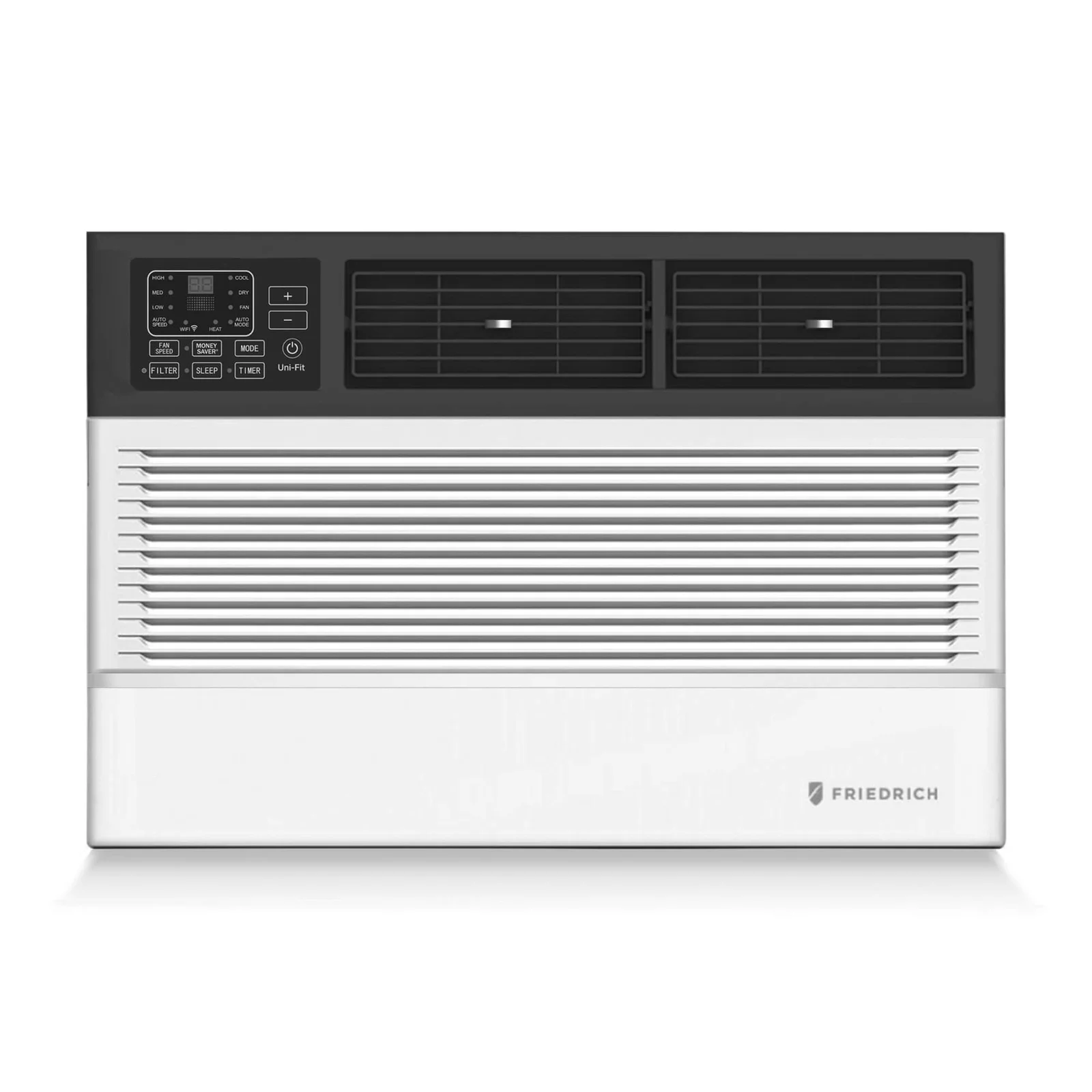
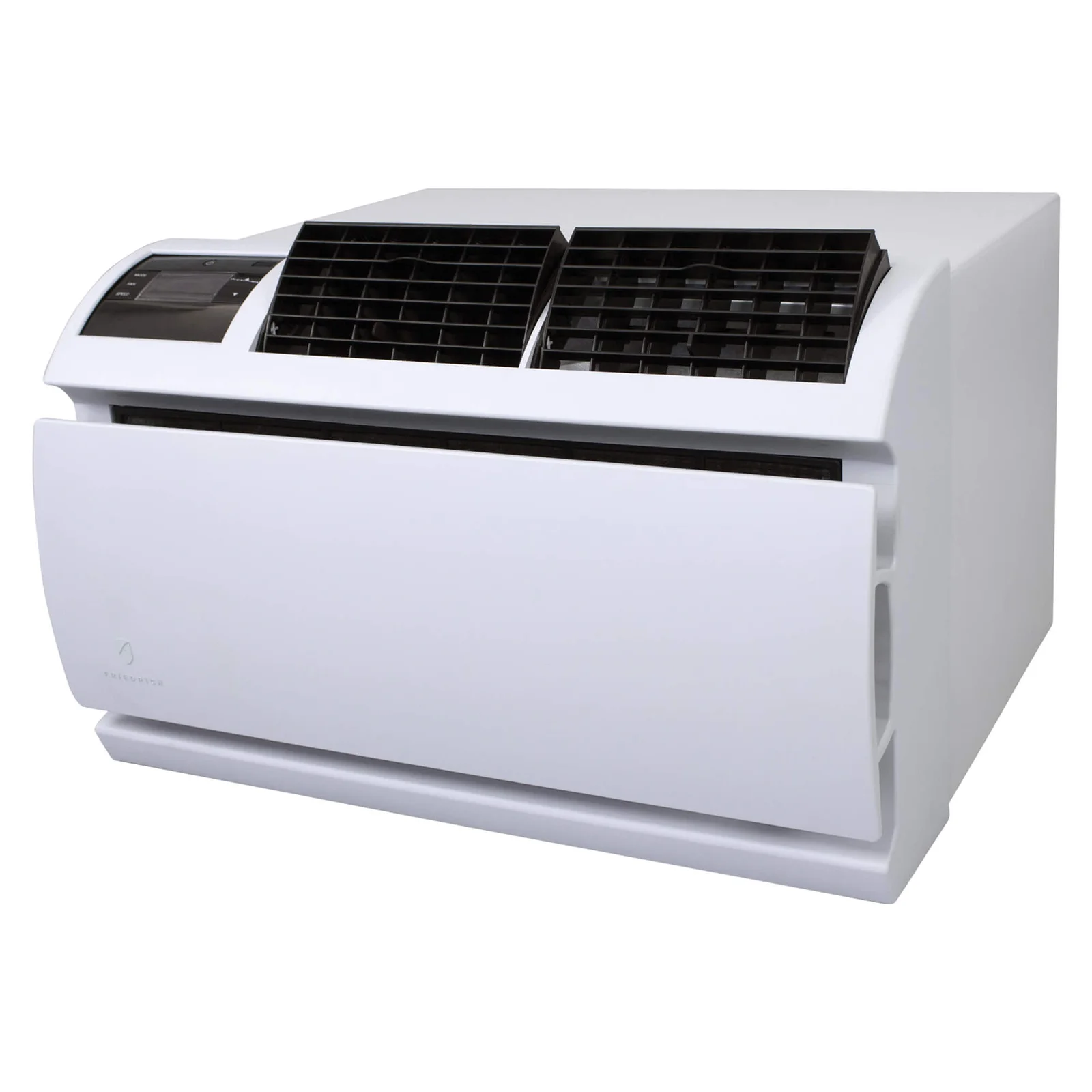
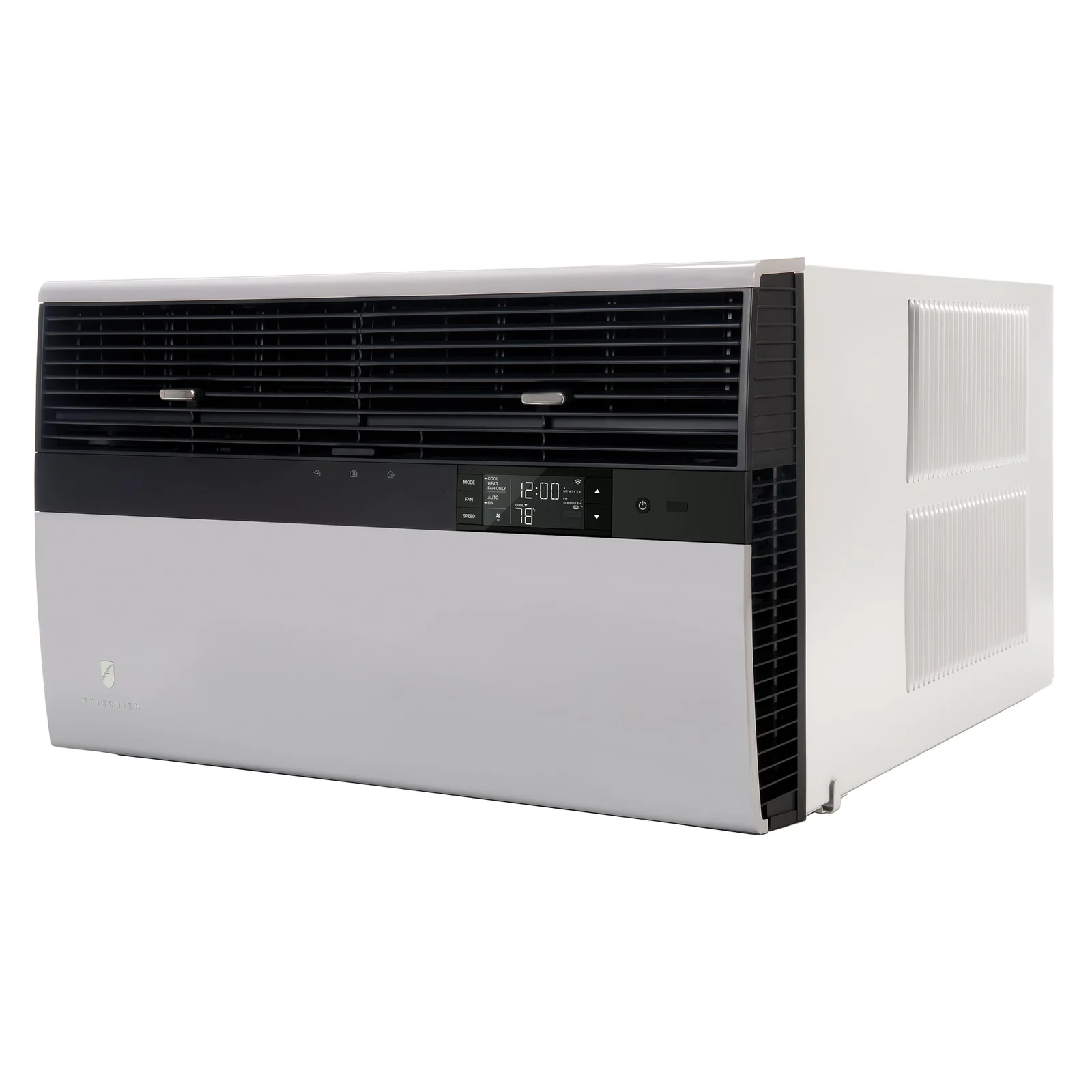
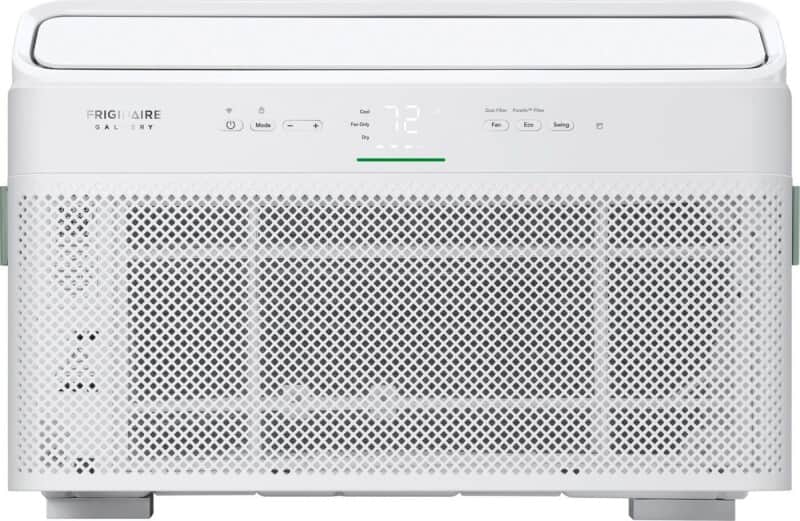
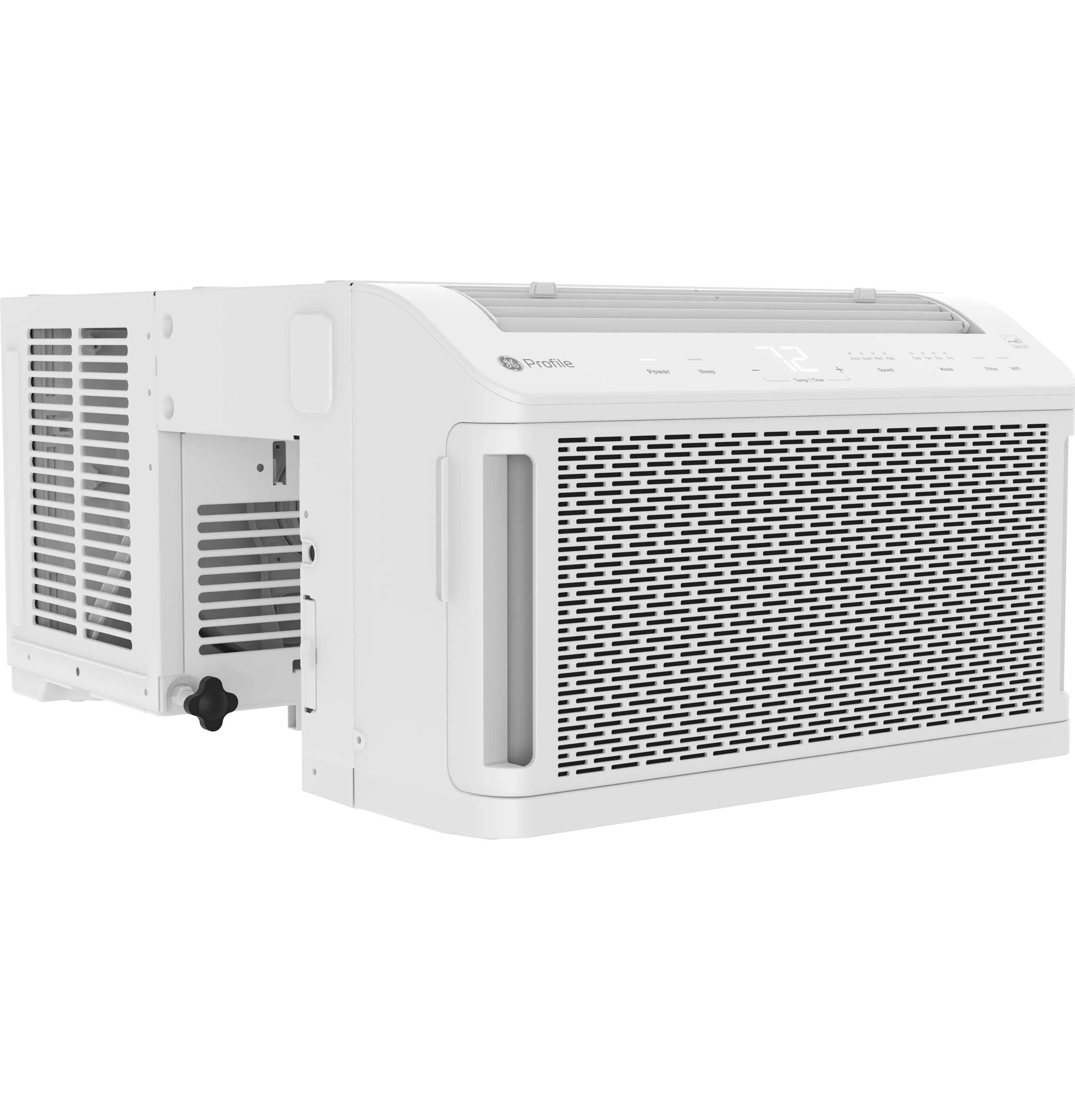
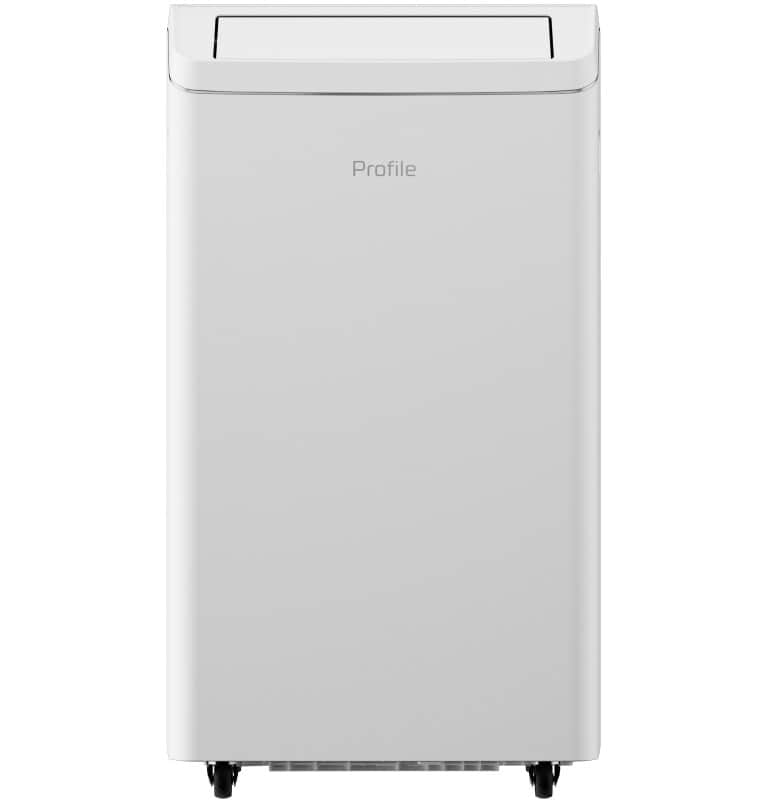
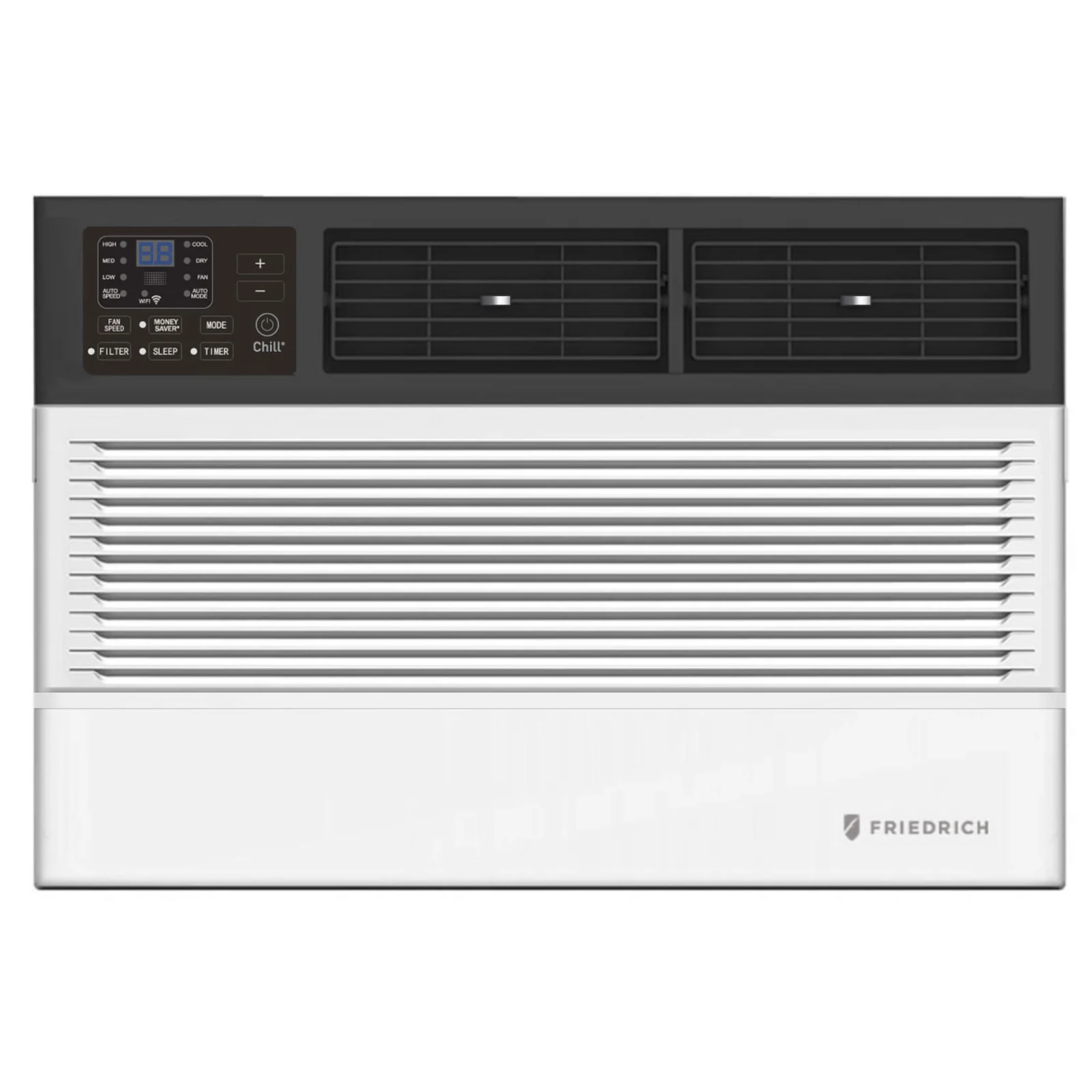
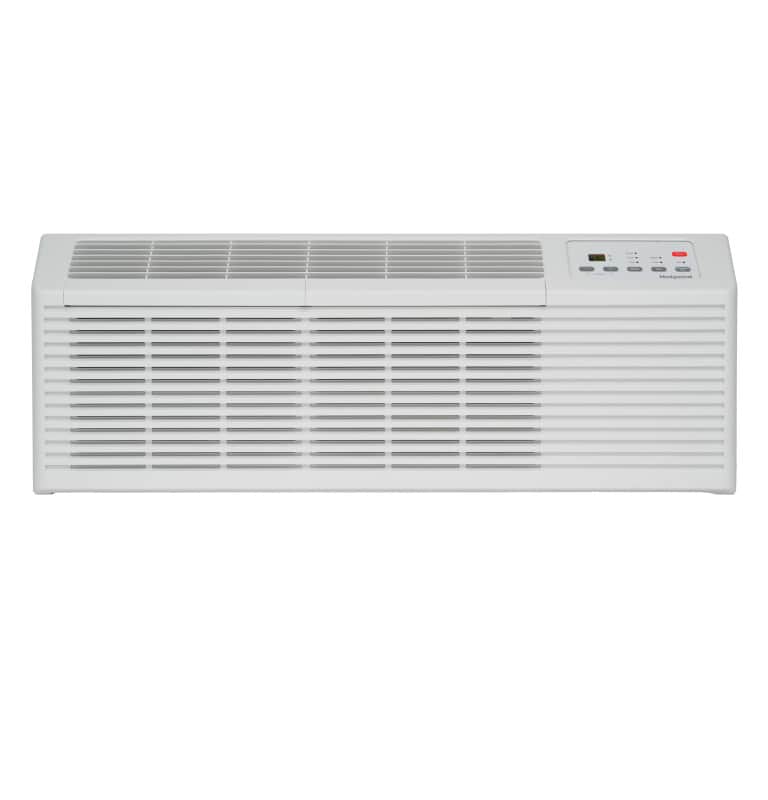
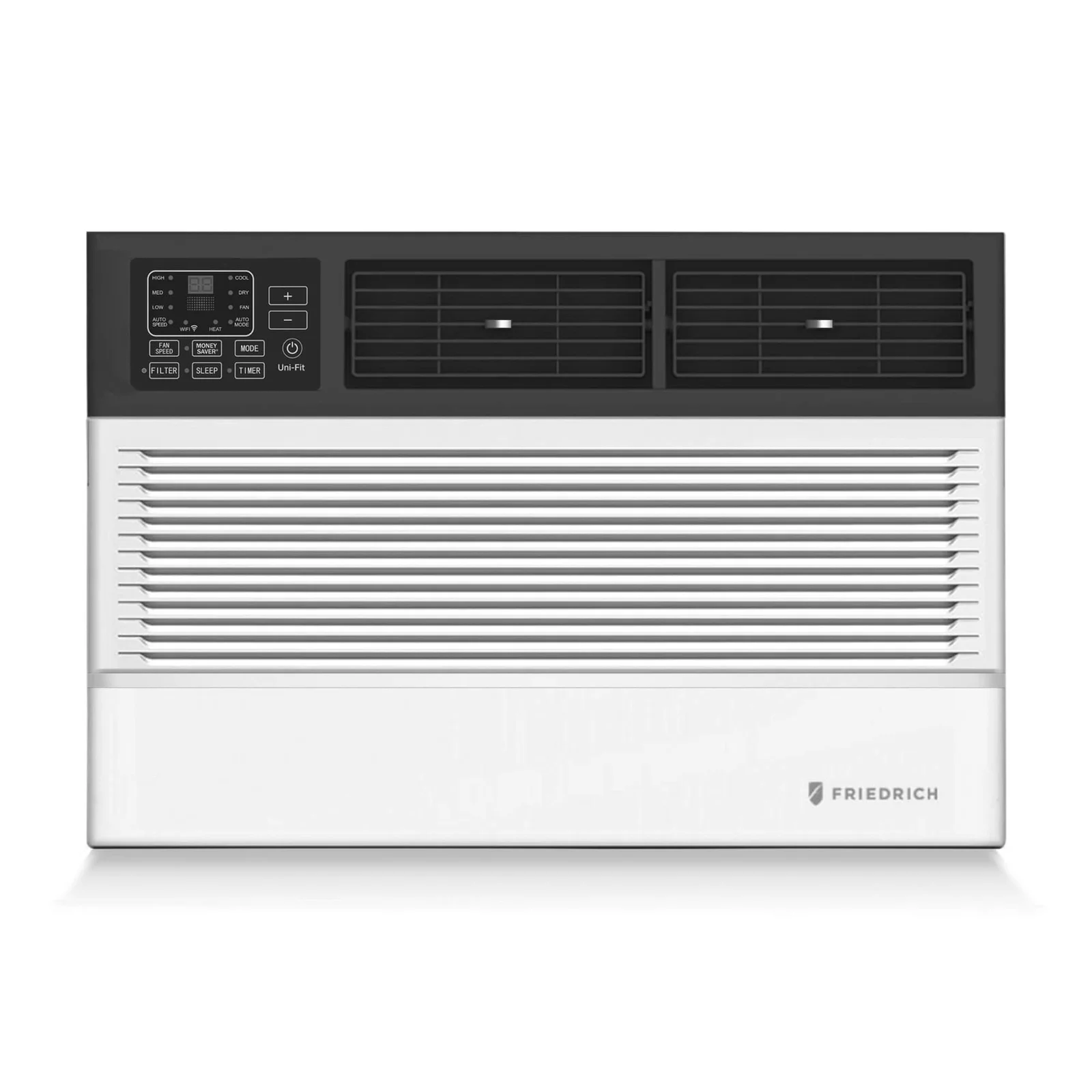
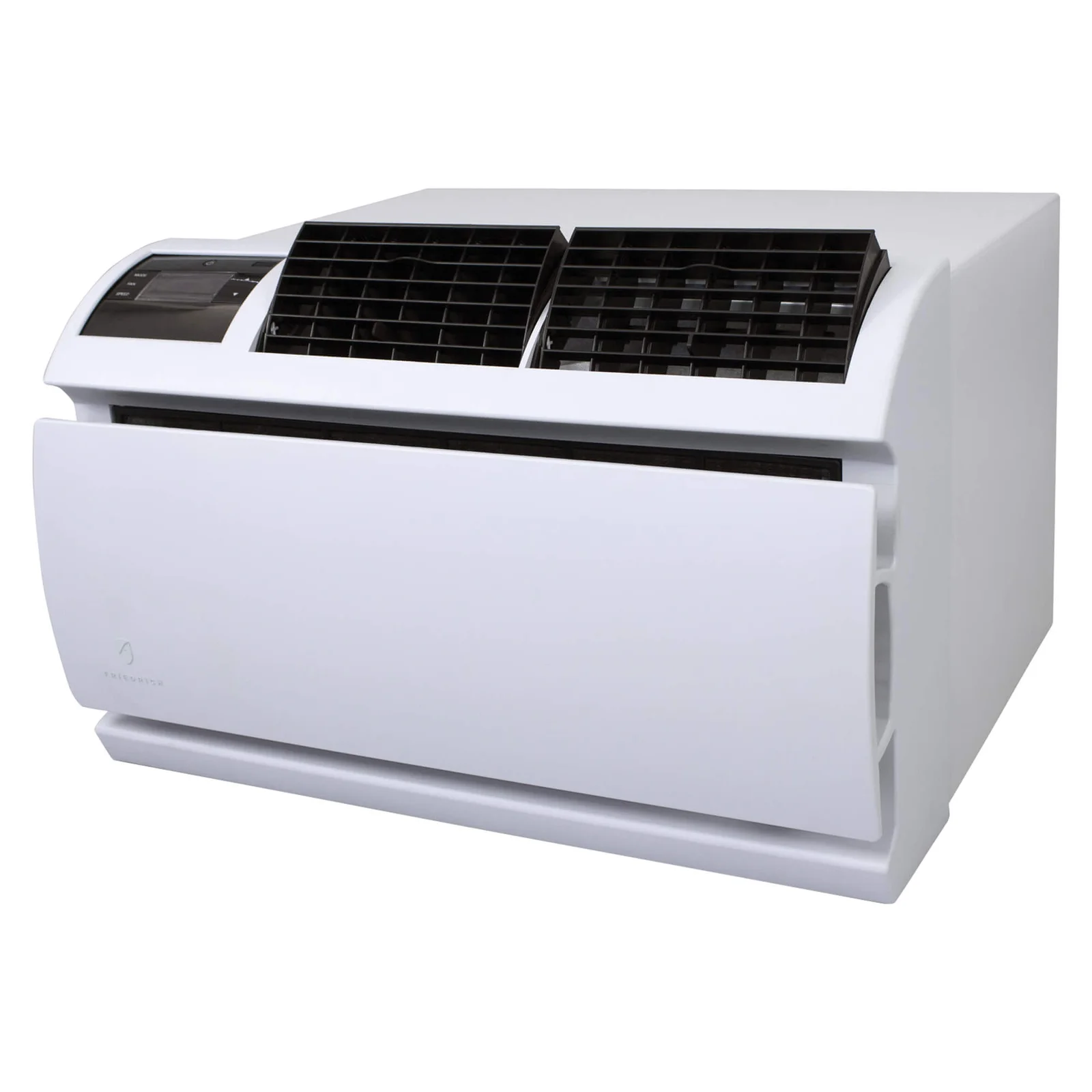
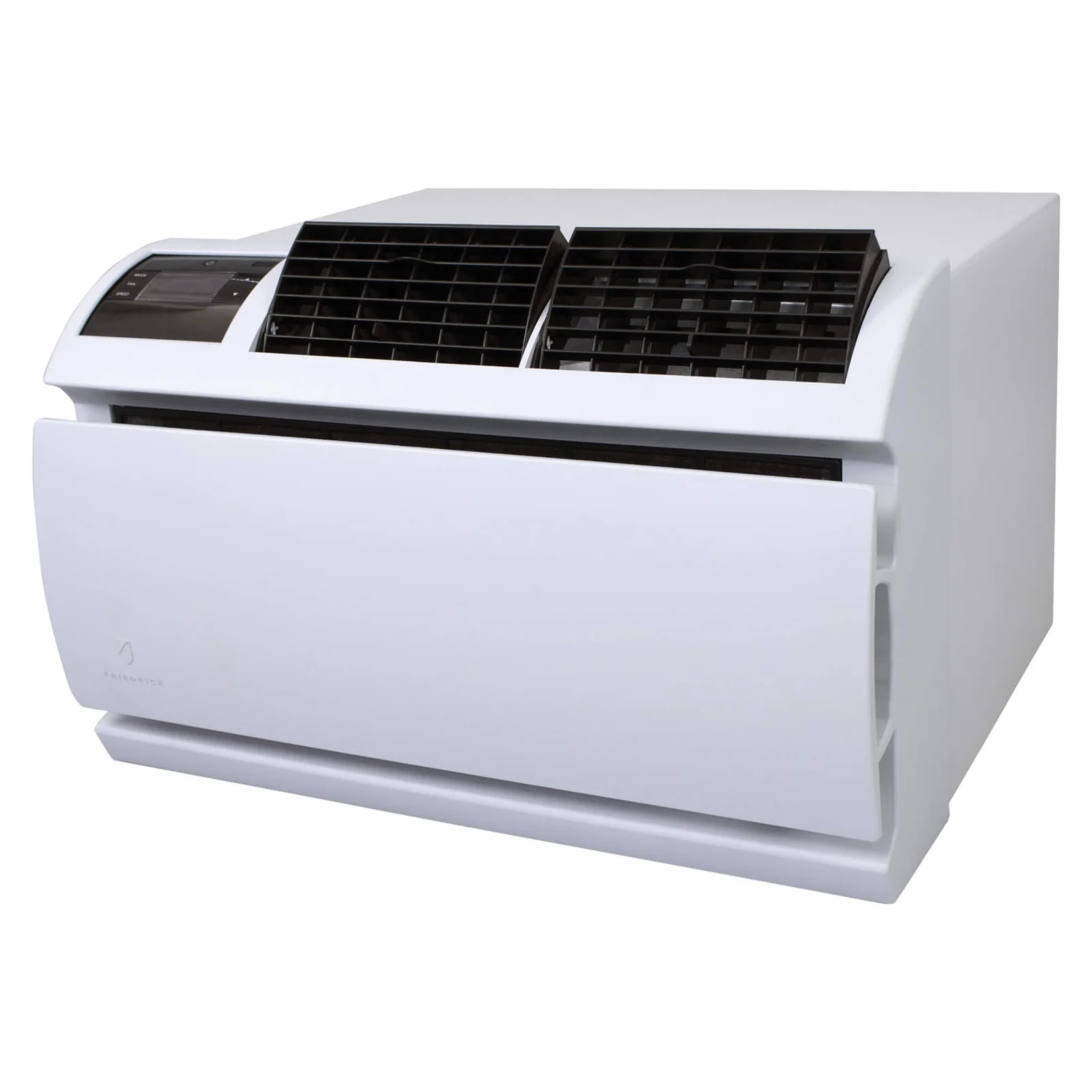
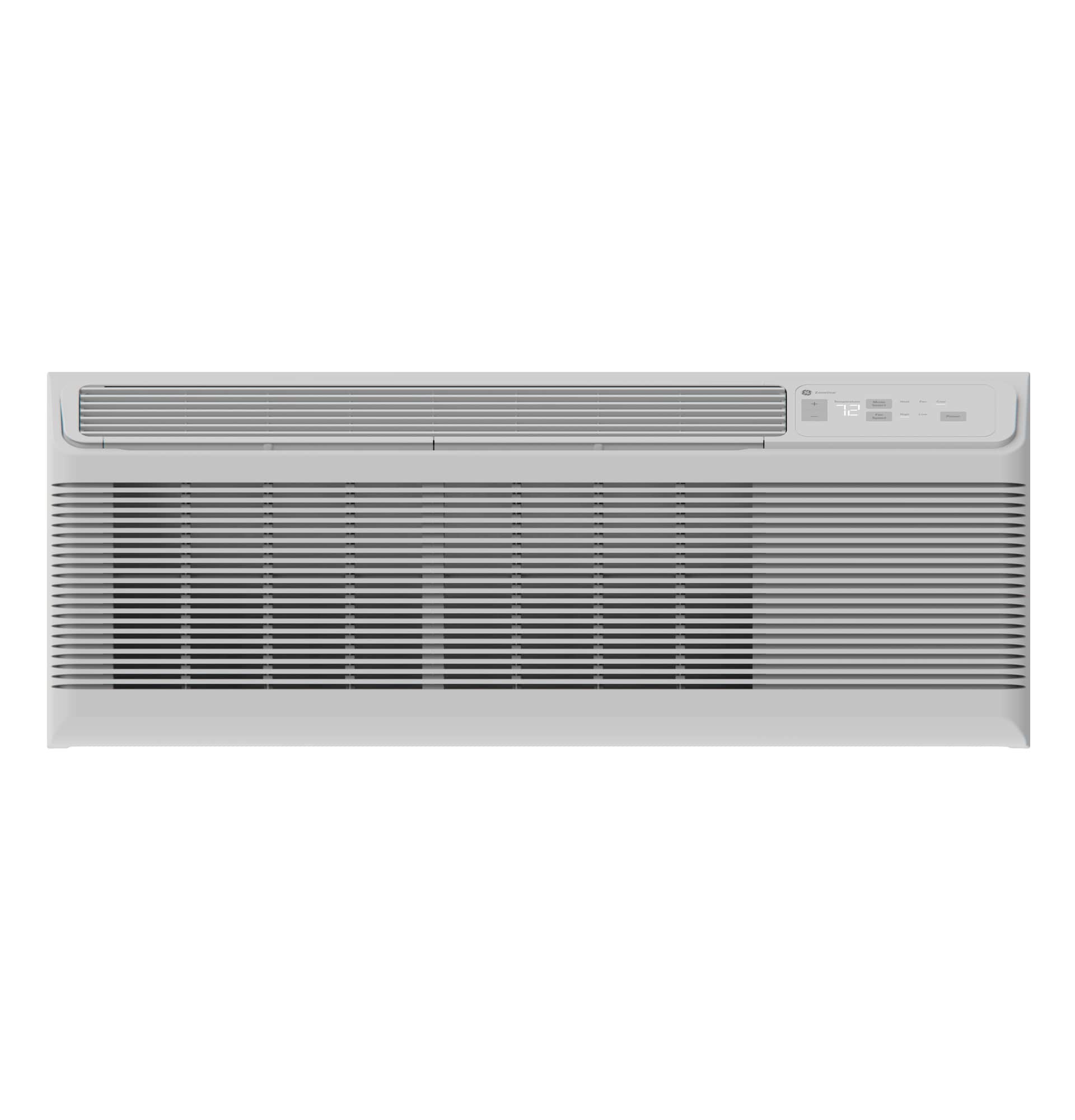
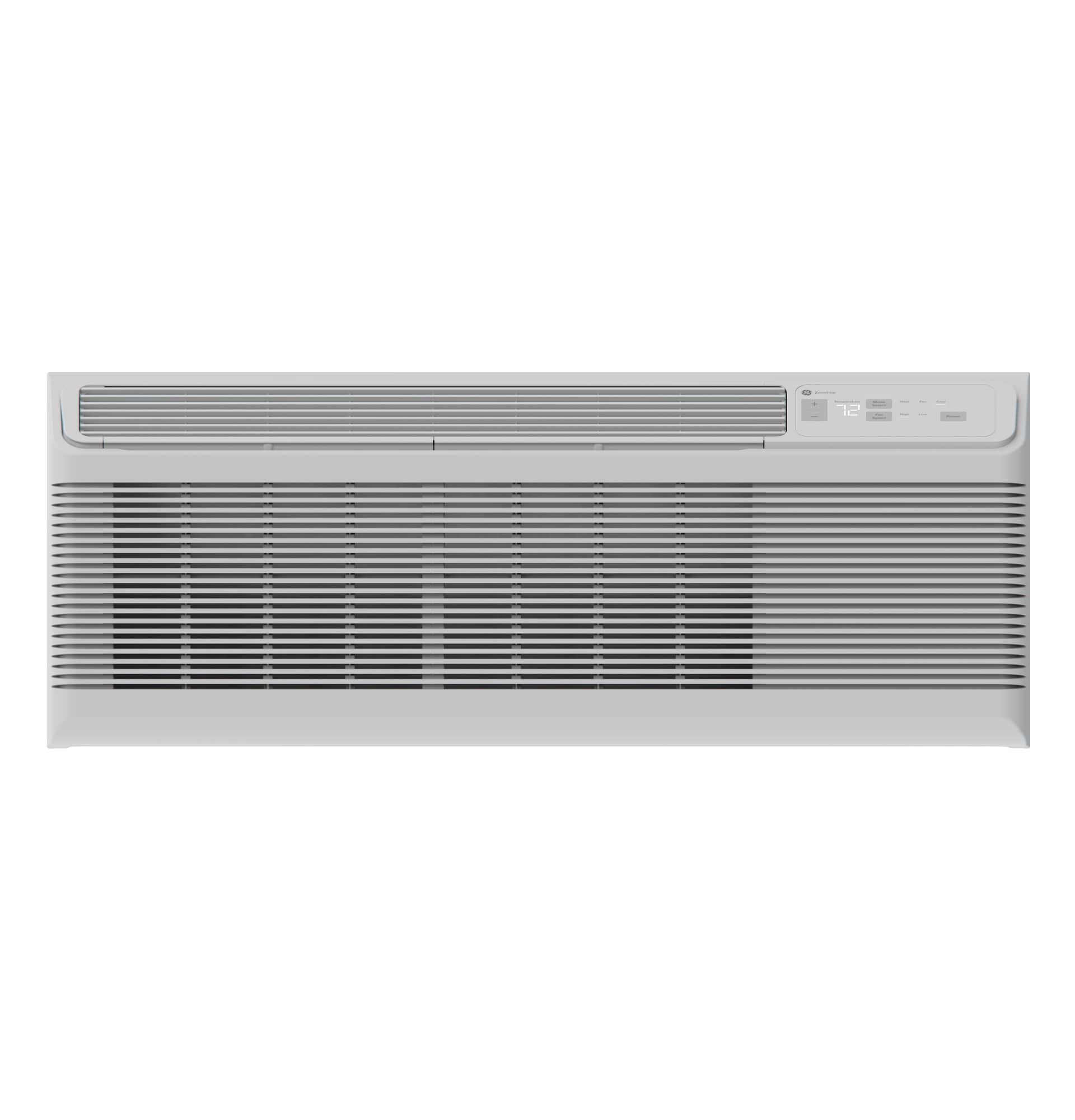
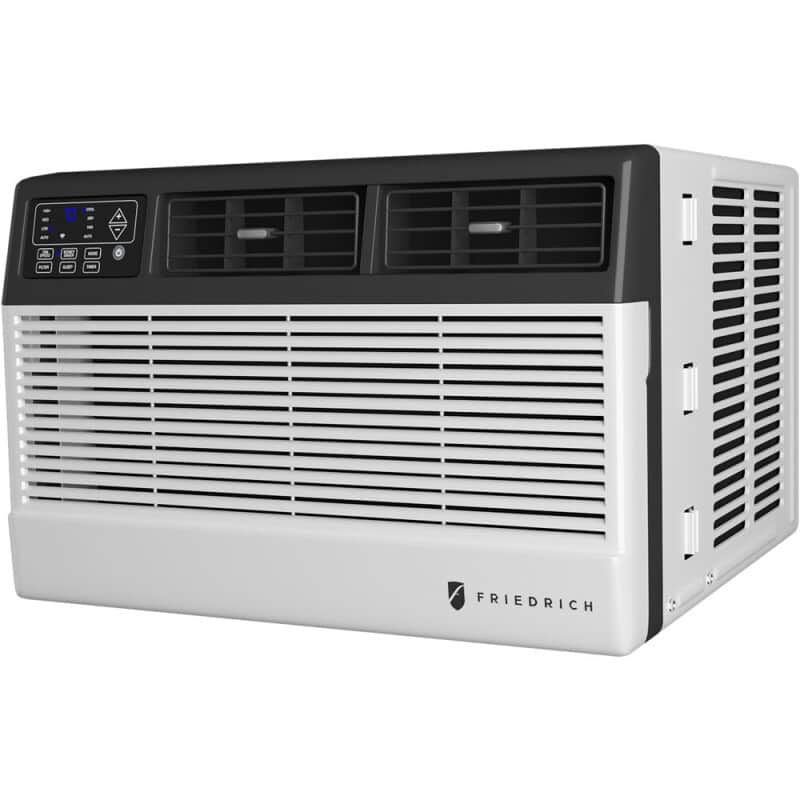
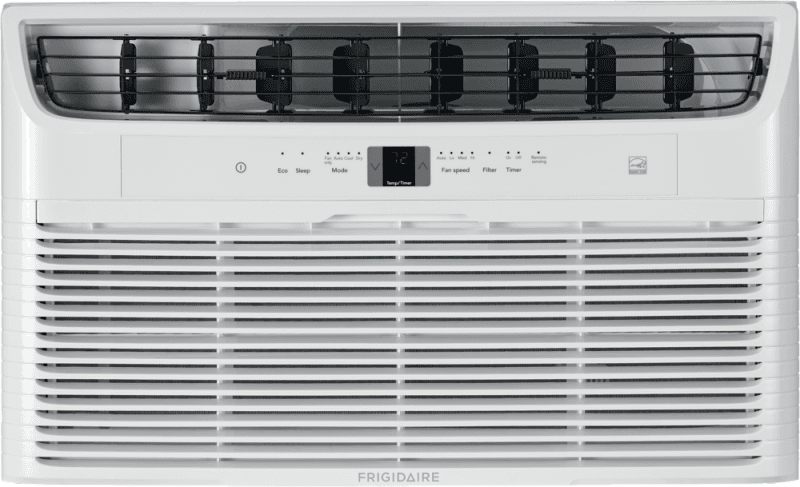
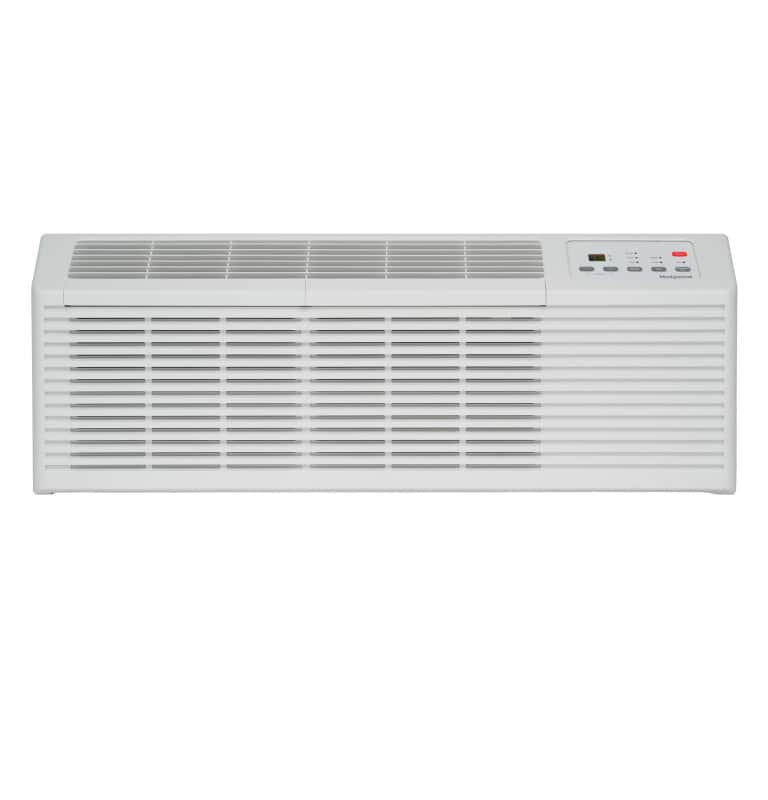
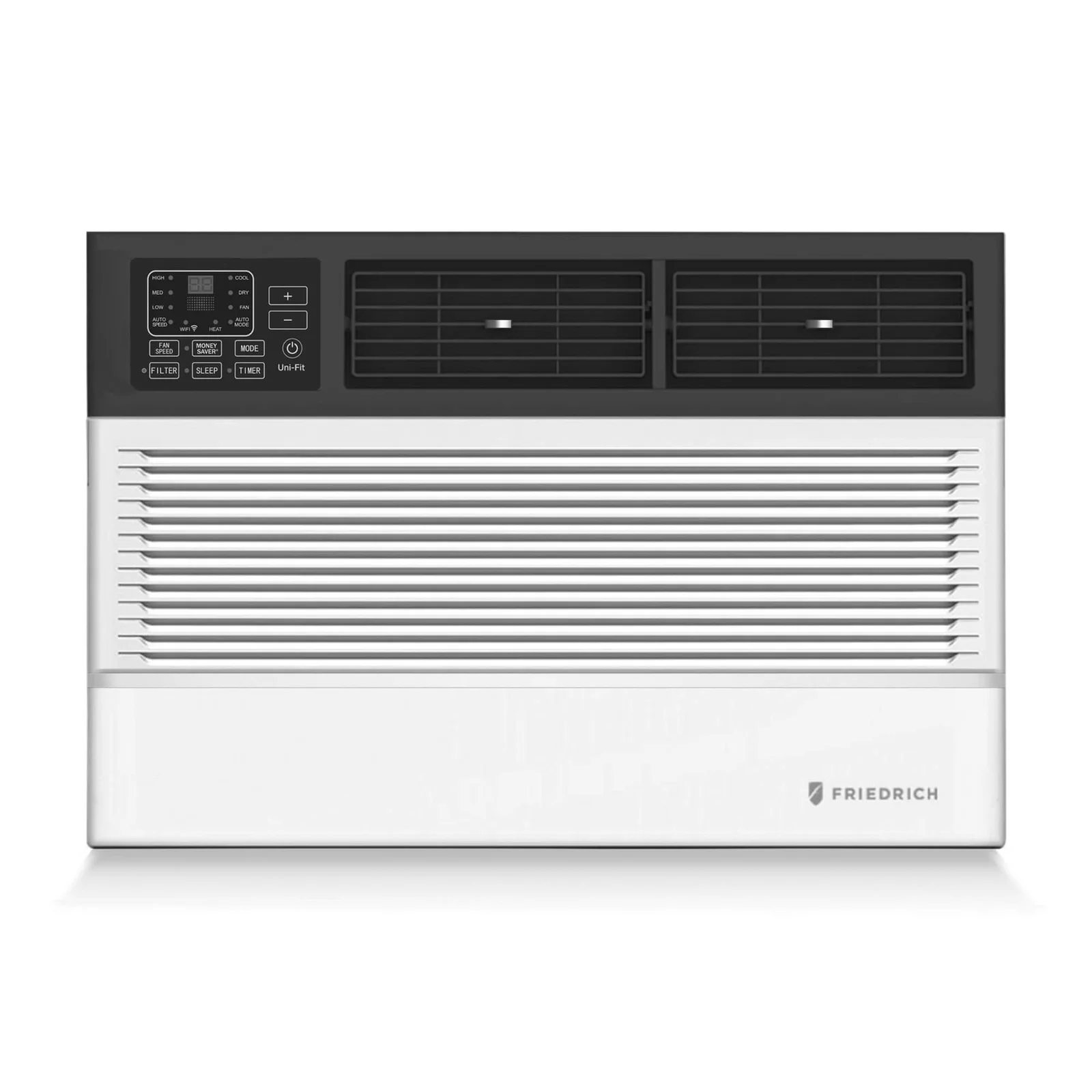
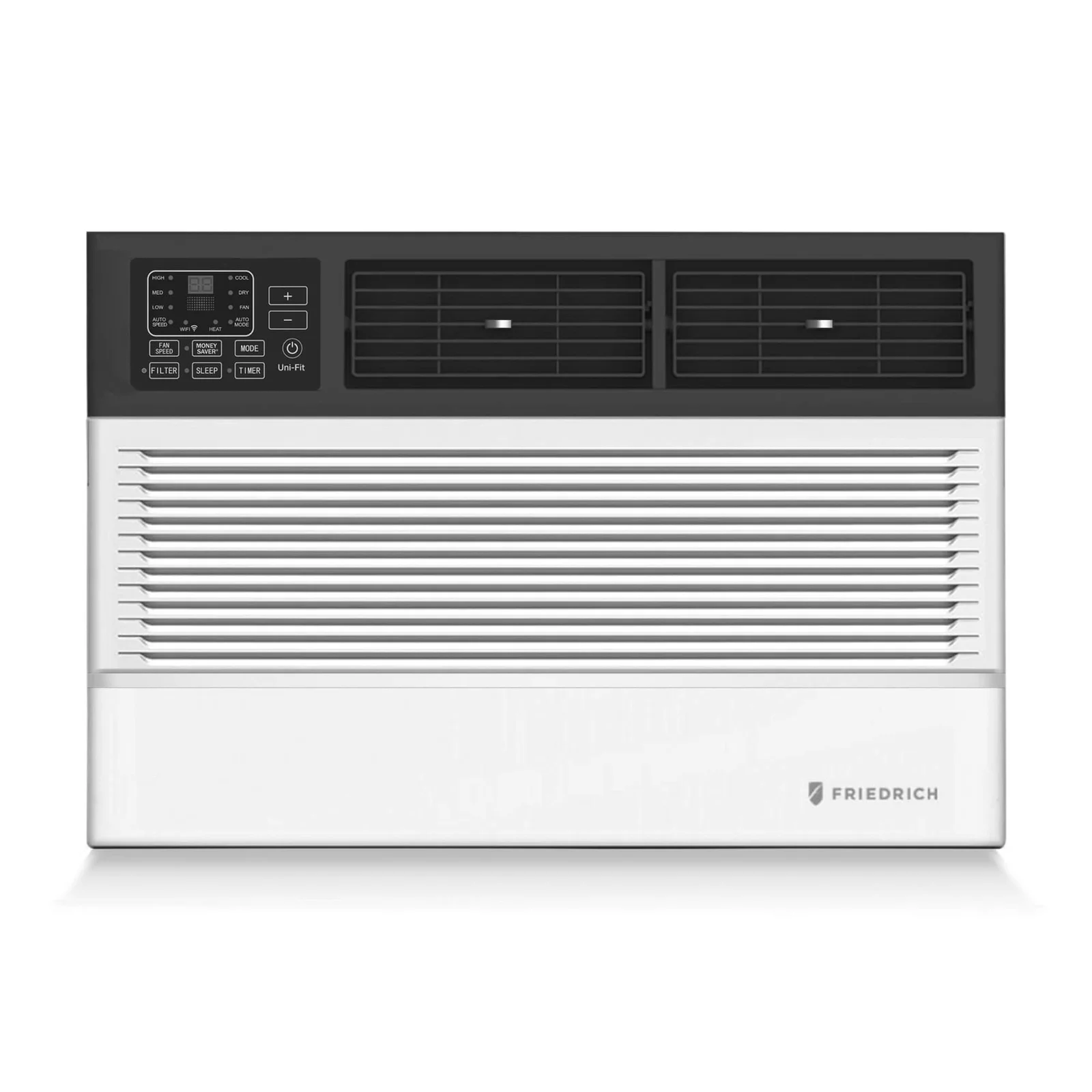
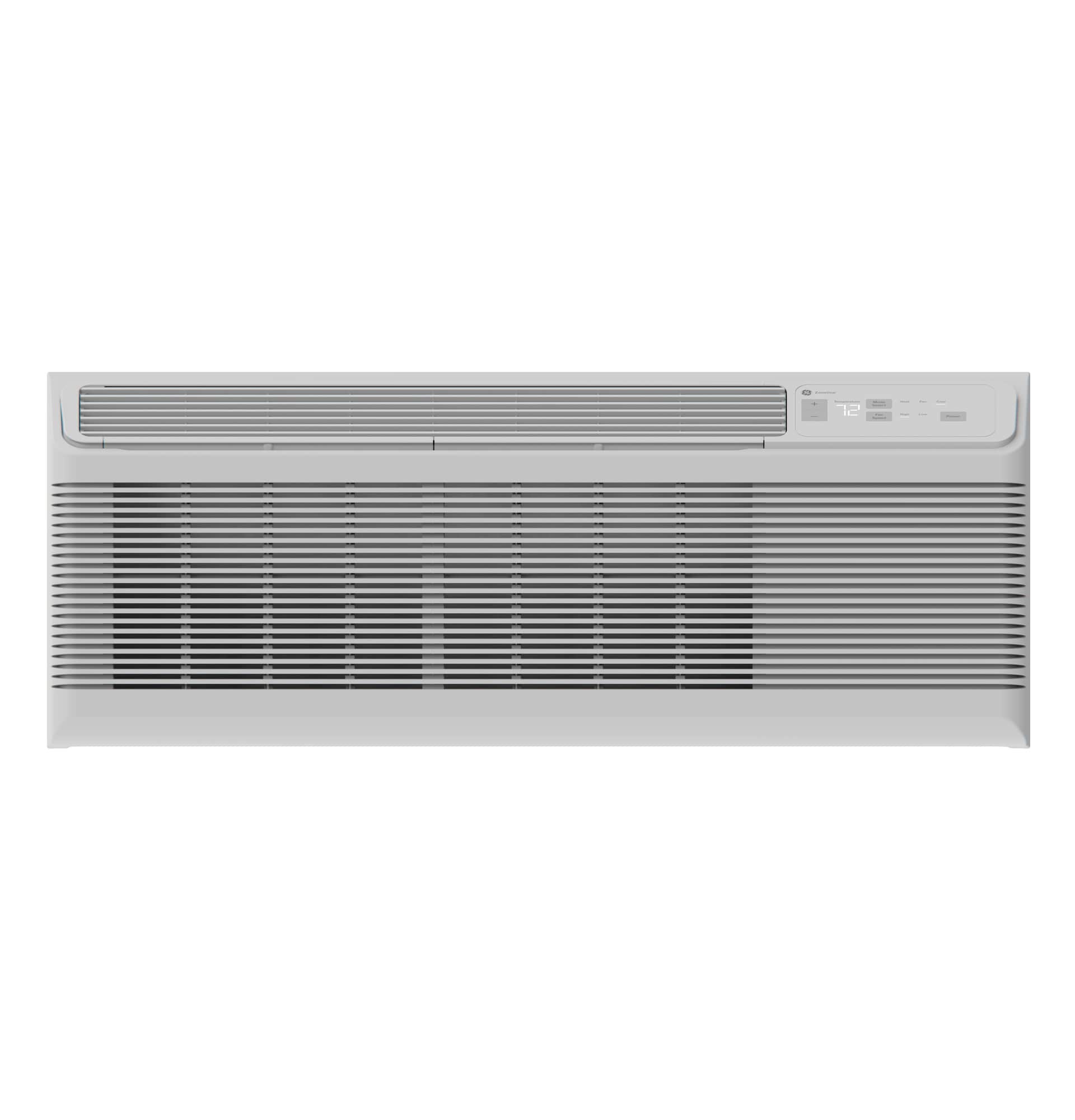
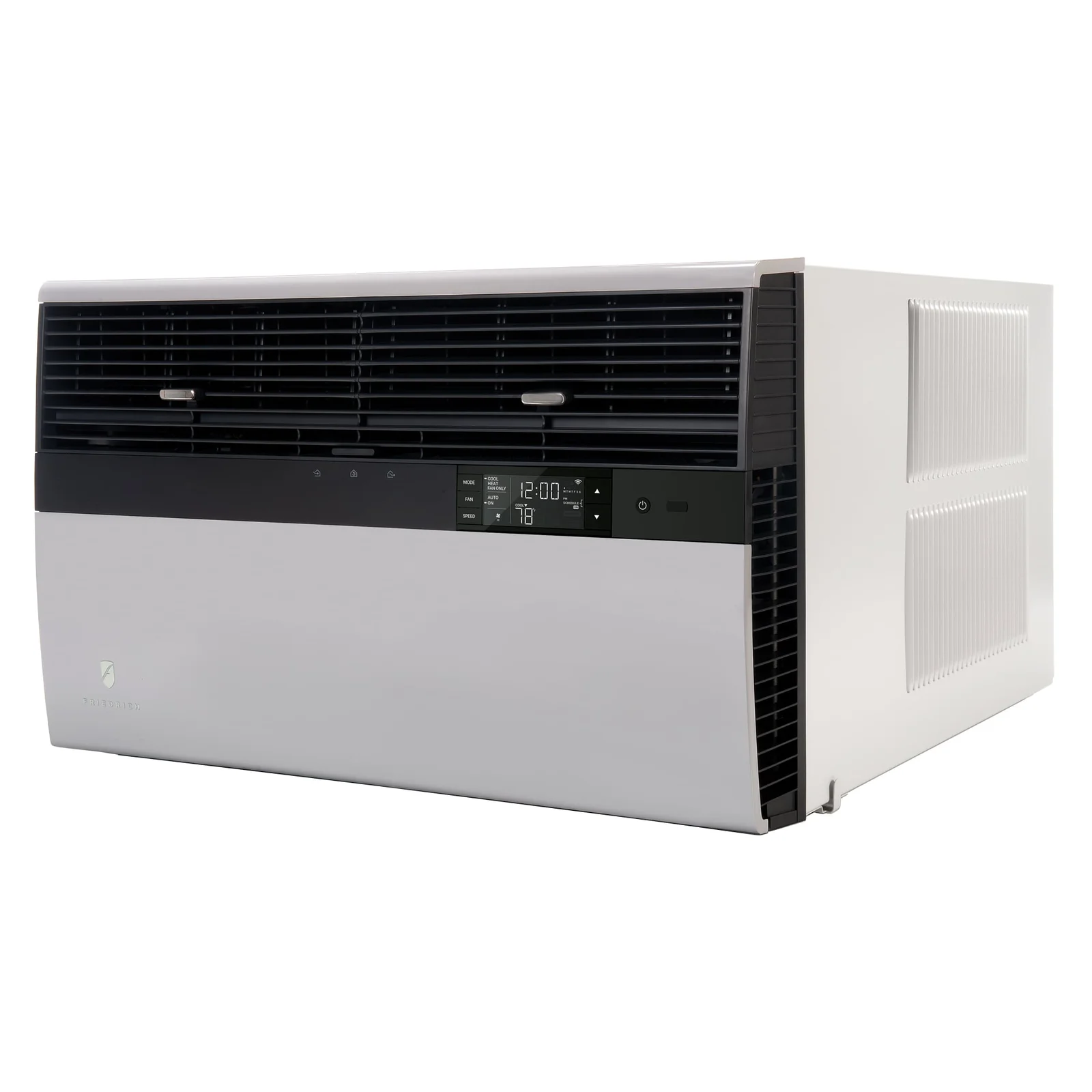
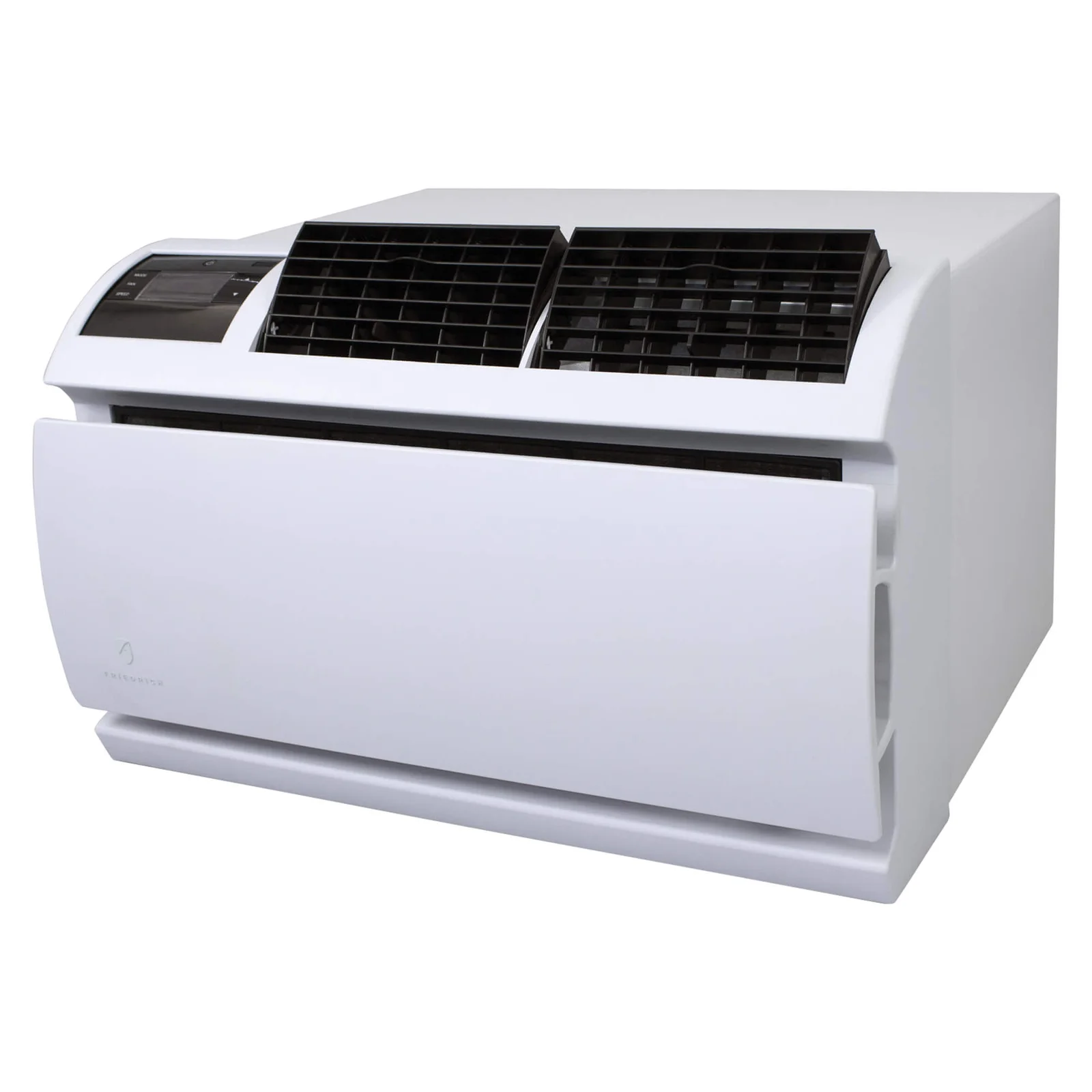
14,000–17,999 BTU
31 listedENERGY STAR's sizing table puts 14,000 BTU/hr at rooms up to about 700 sq ft.
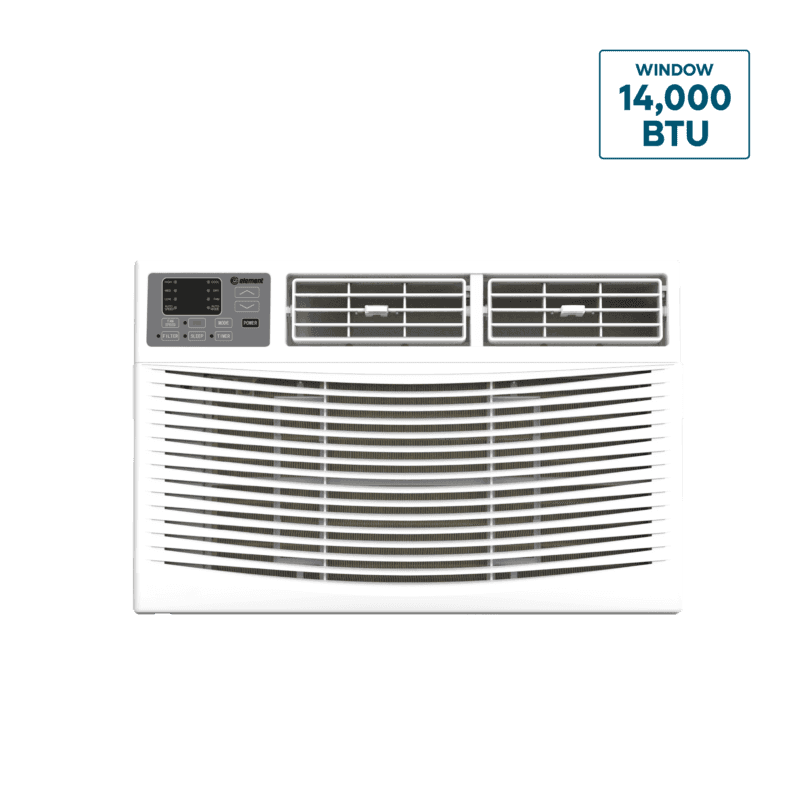
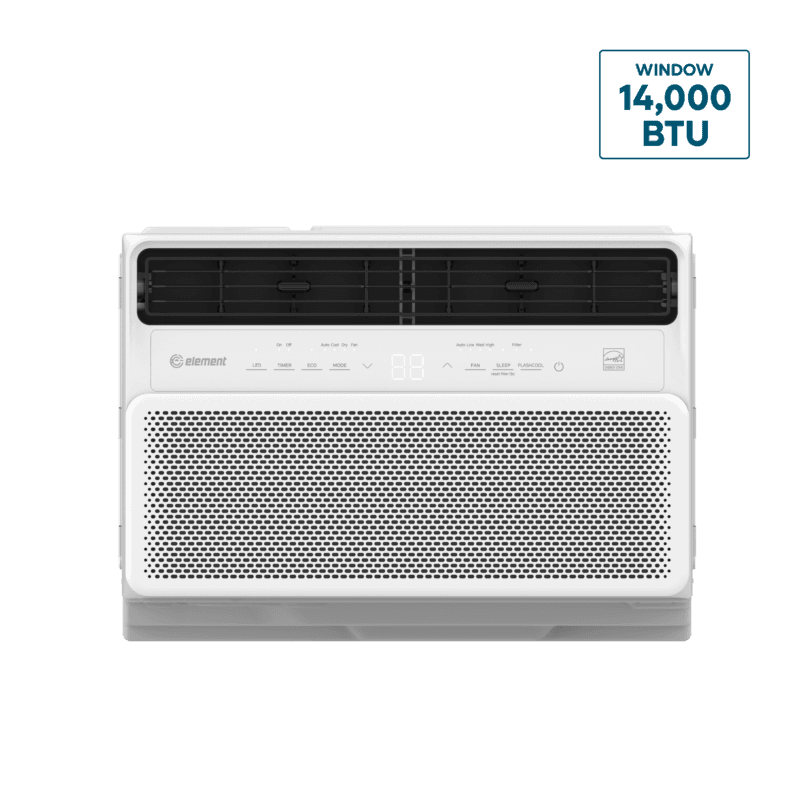
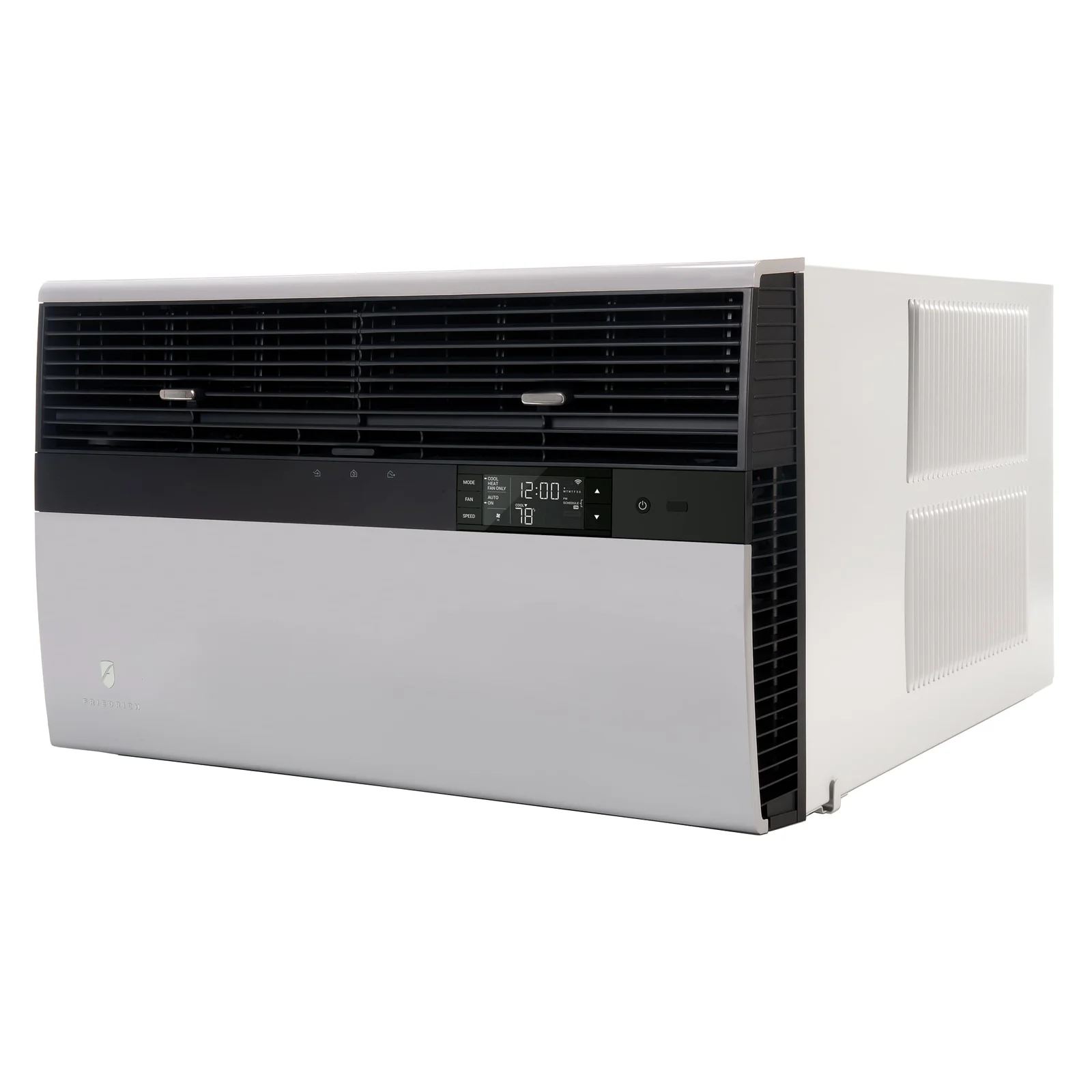
14,000 Btu, 115v Inverter Window Air Conditioner
Model: EHWR14BE14,000 BTU
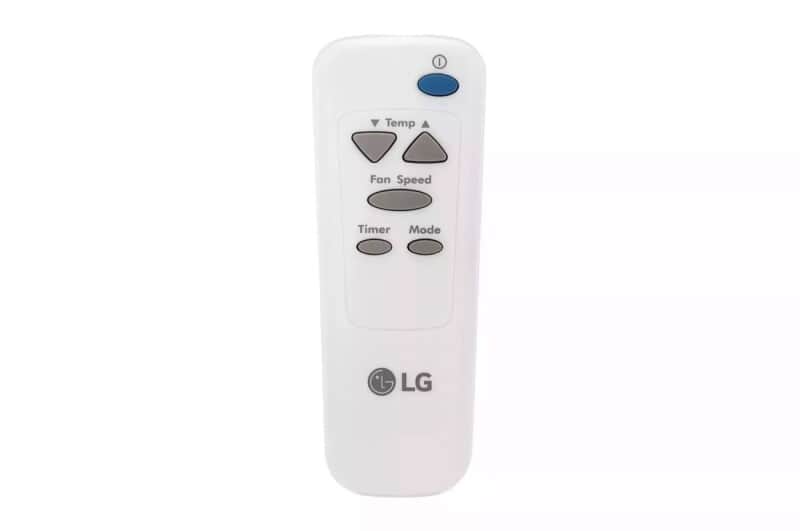
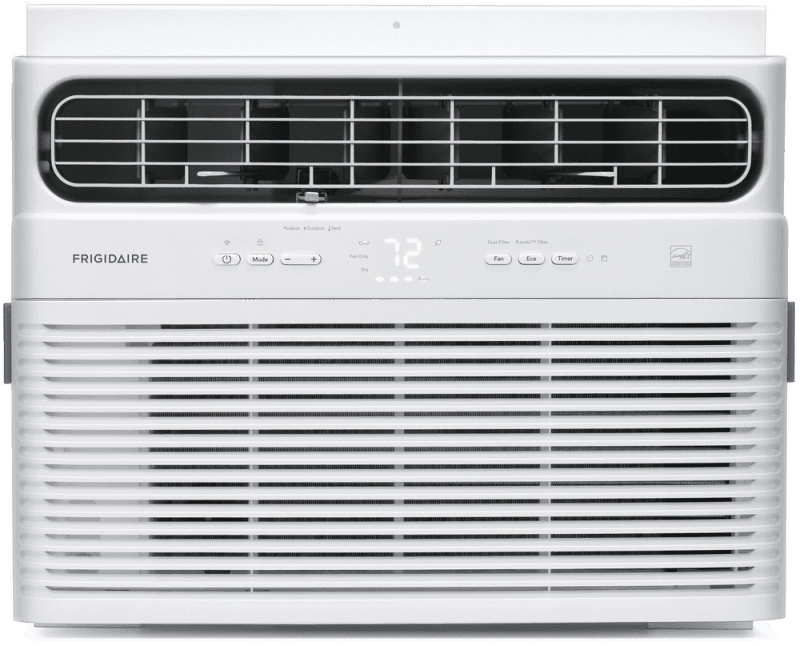
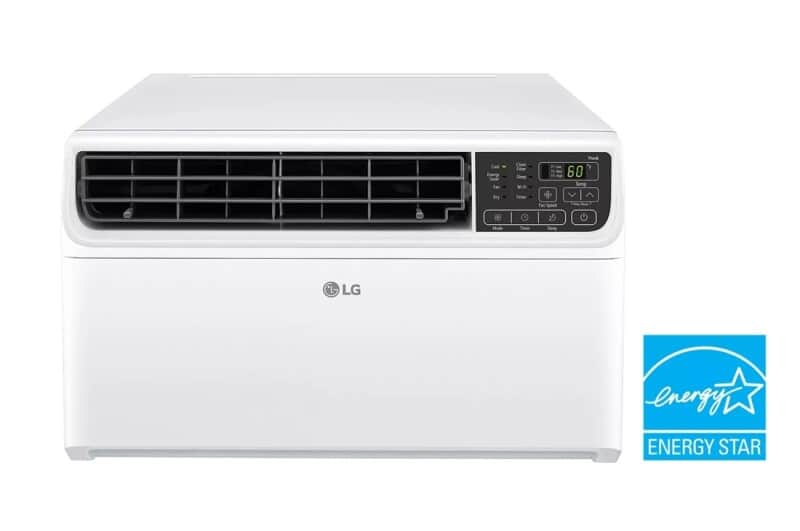
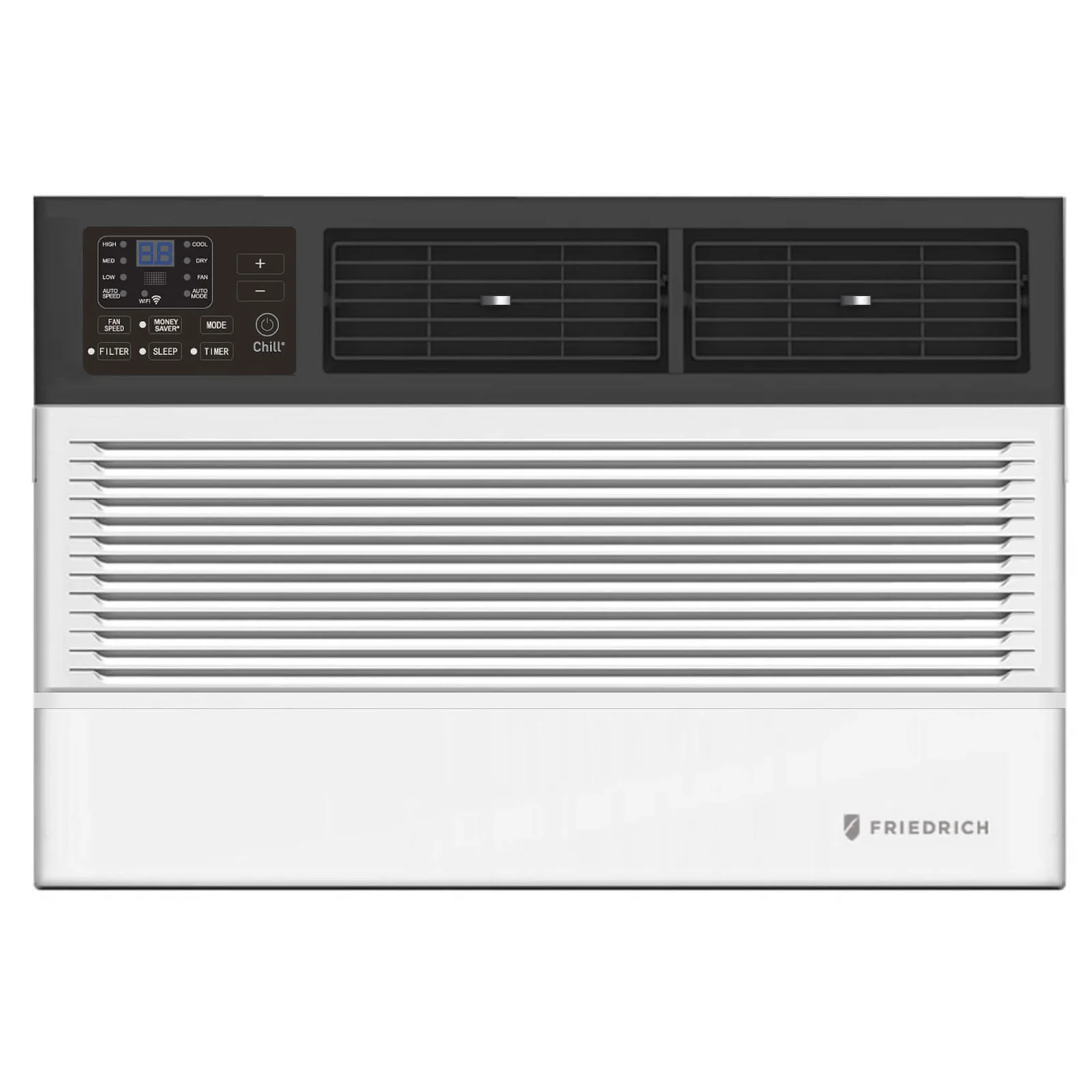
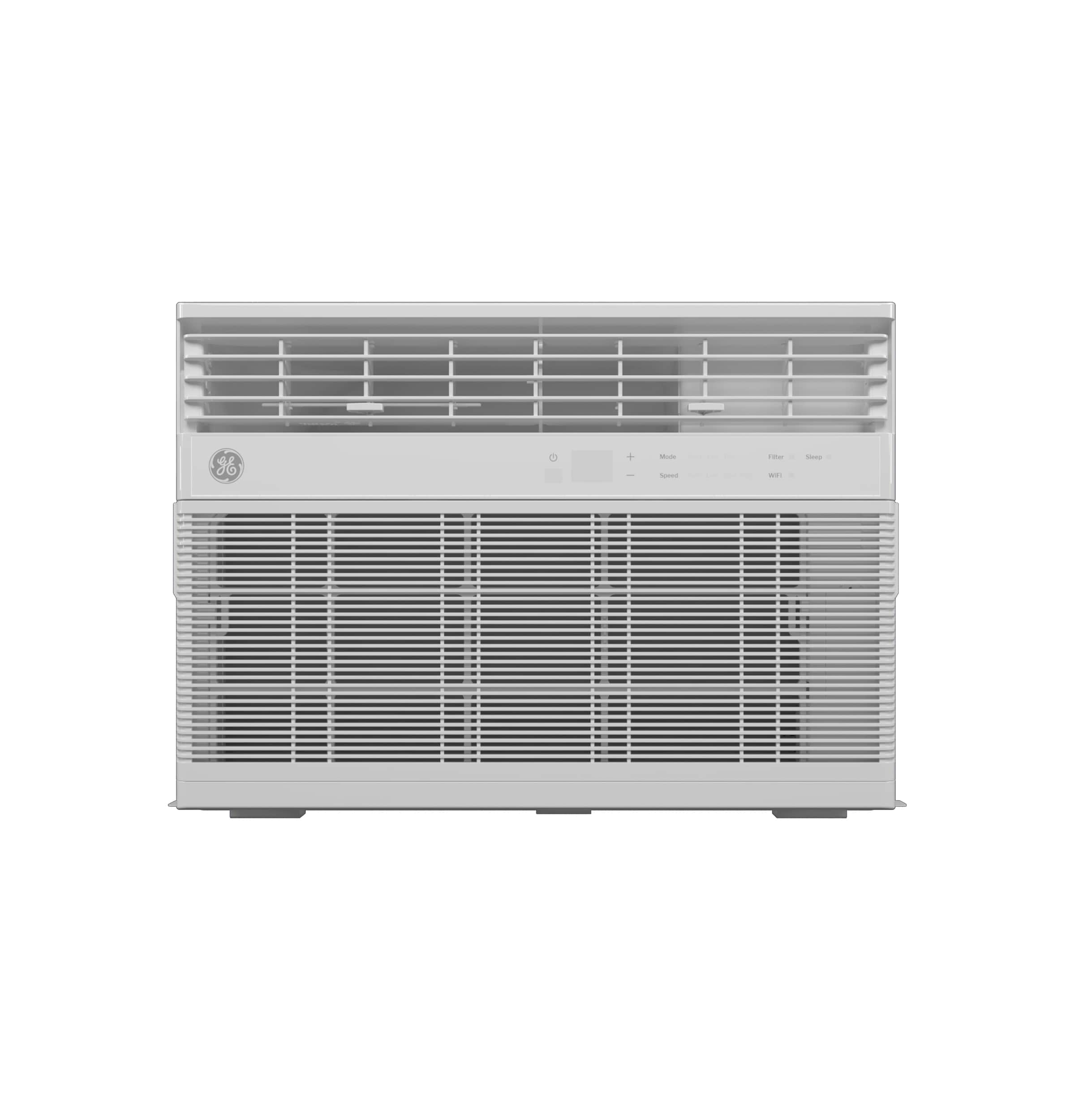
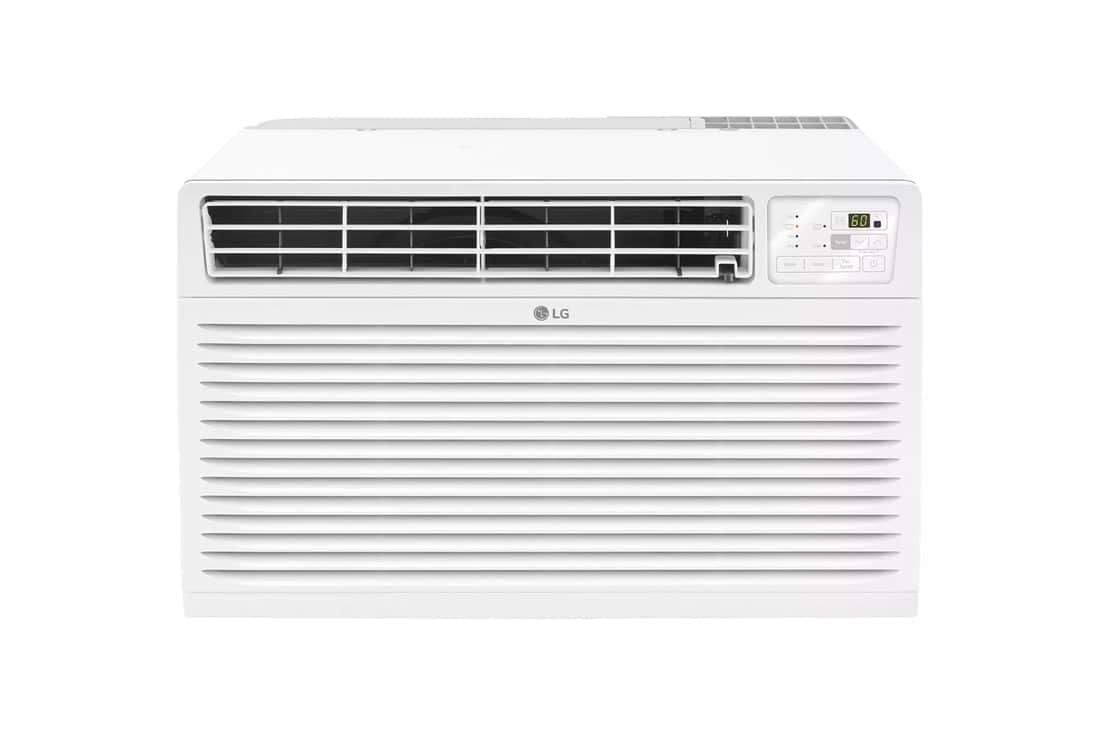
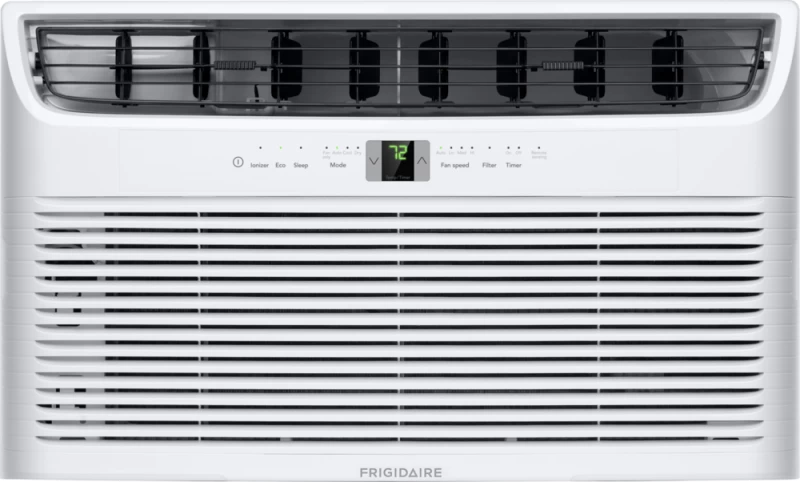
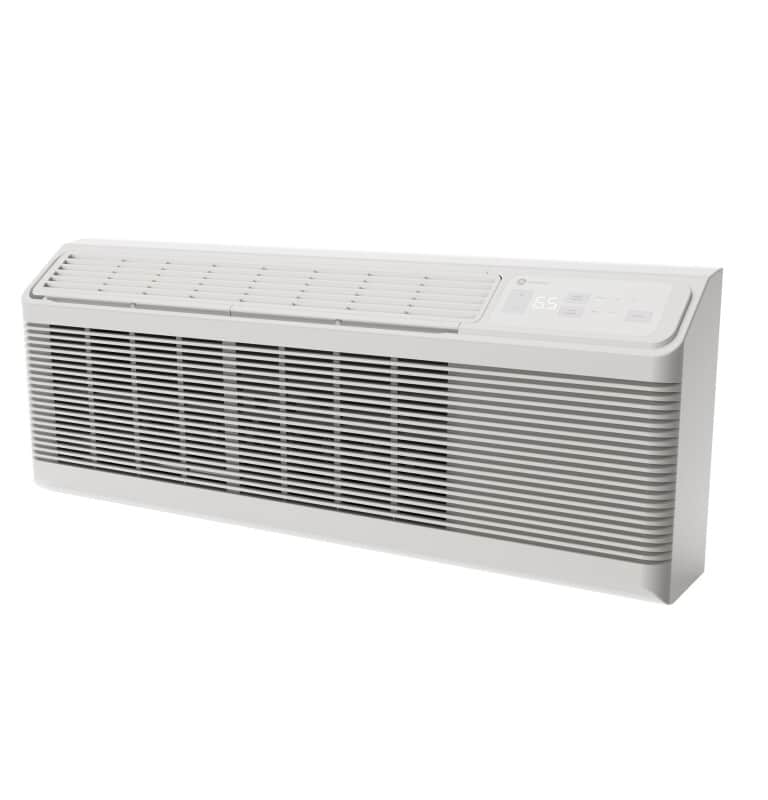
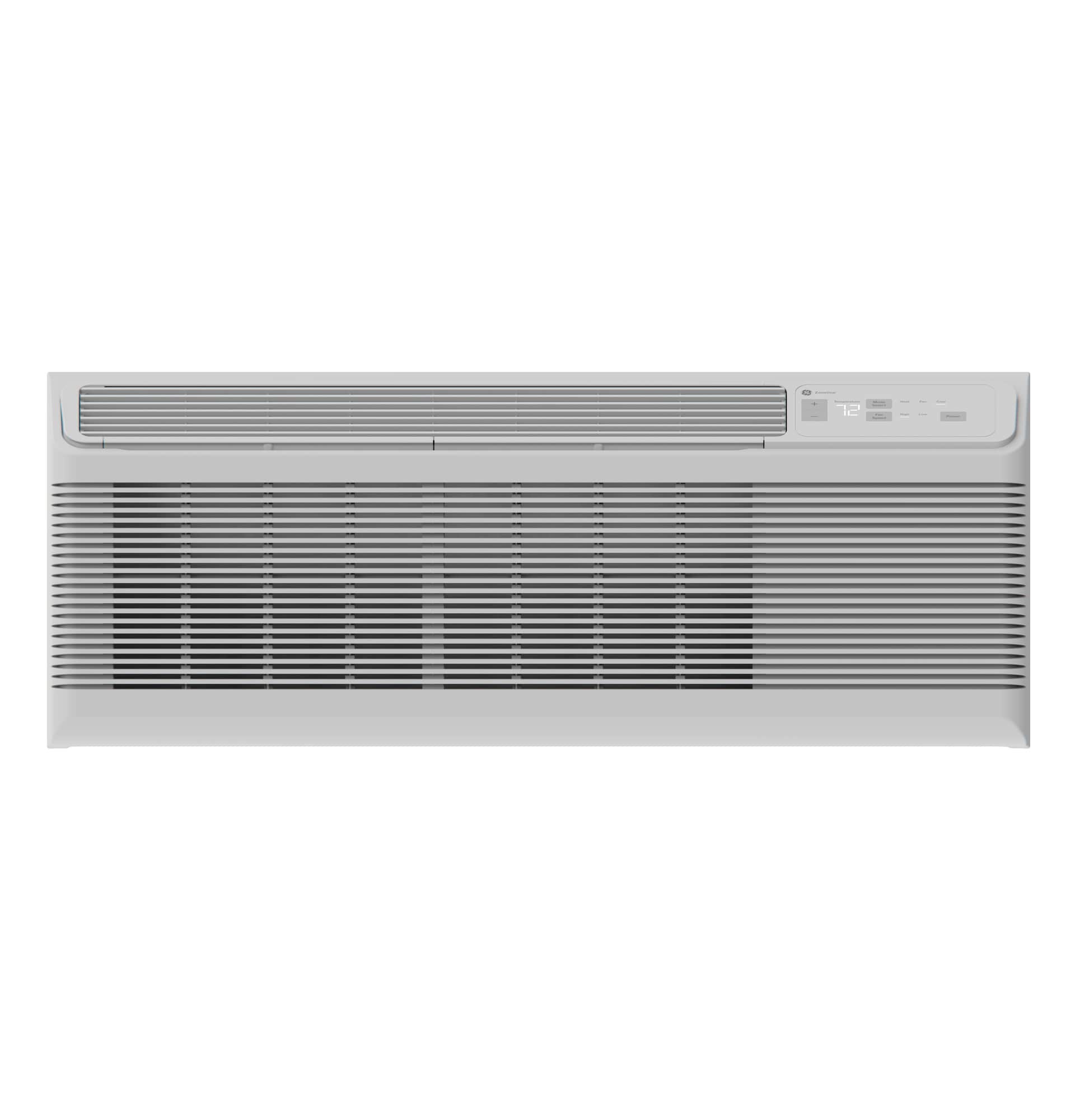
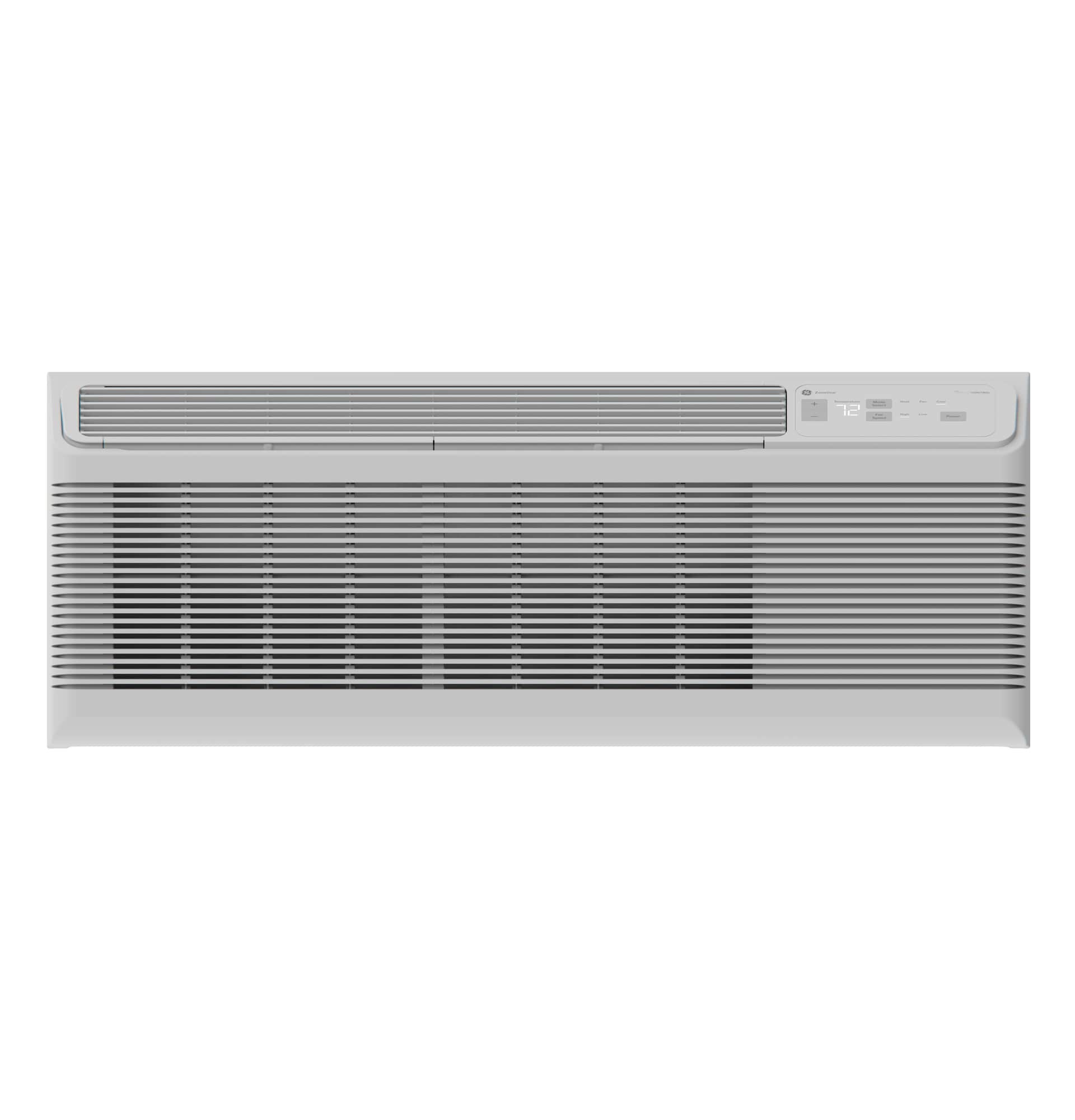
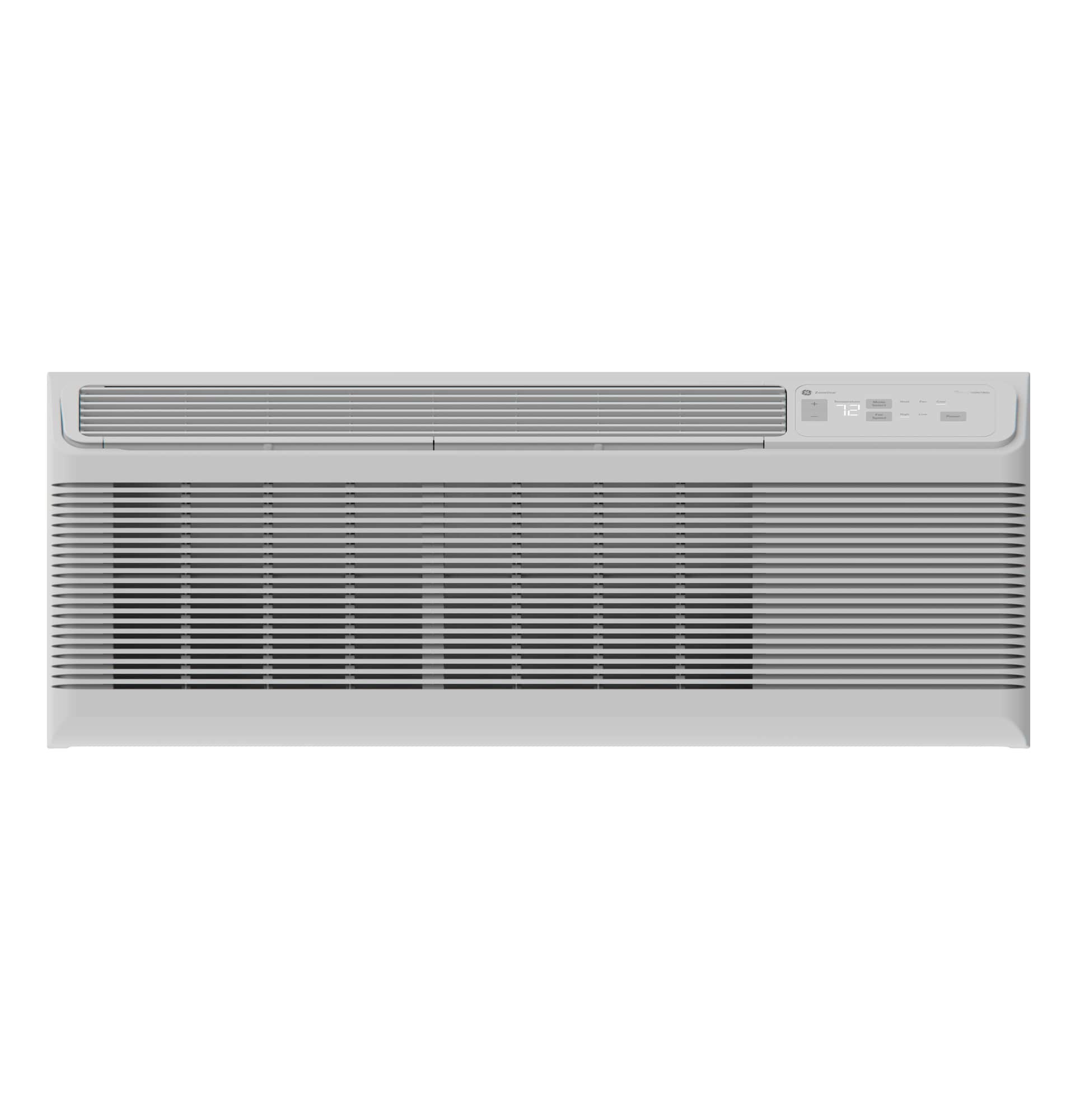
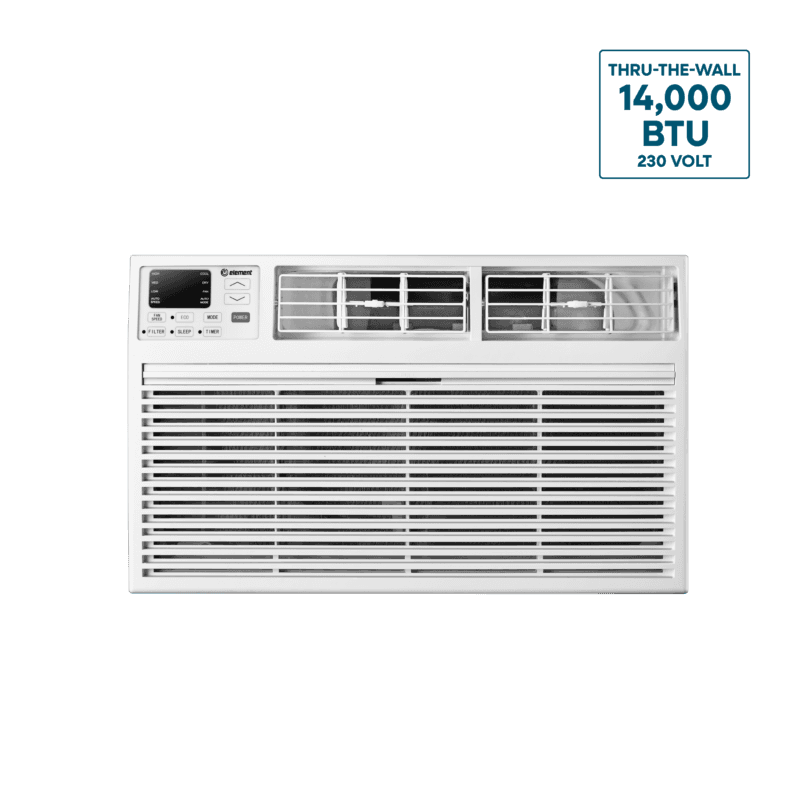
14,000 Btu 230v Through-the-wall Air Conditioner
Model: LT1430CNR14,000 BTU
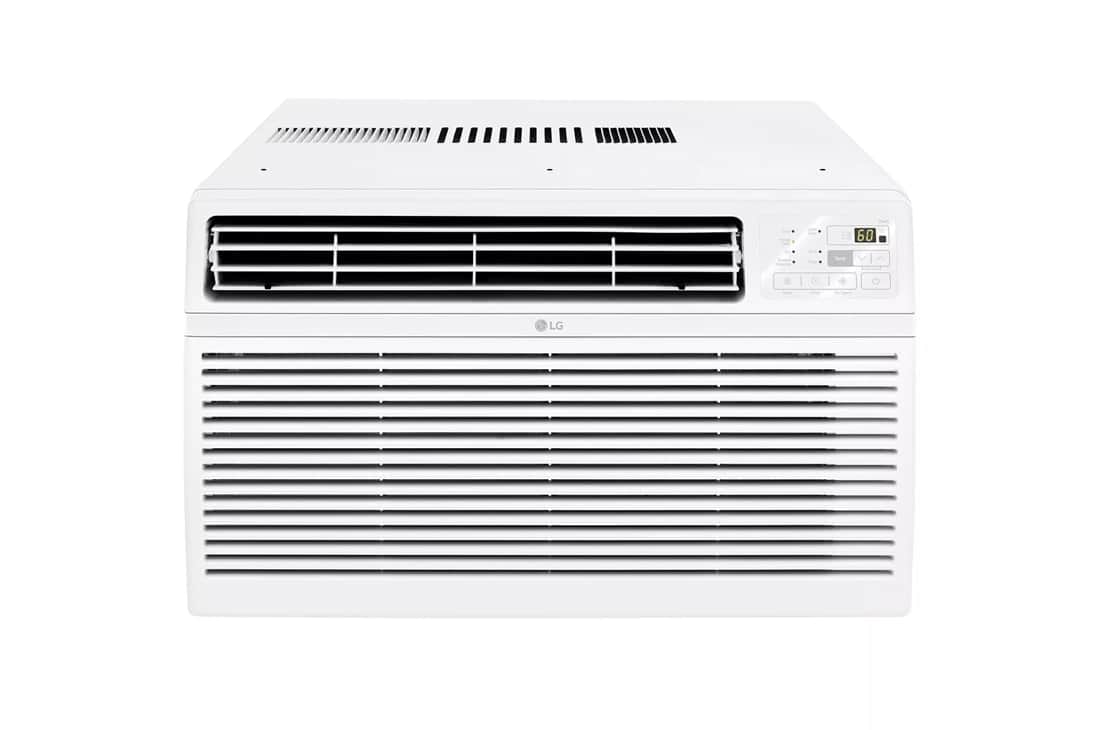
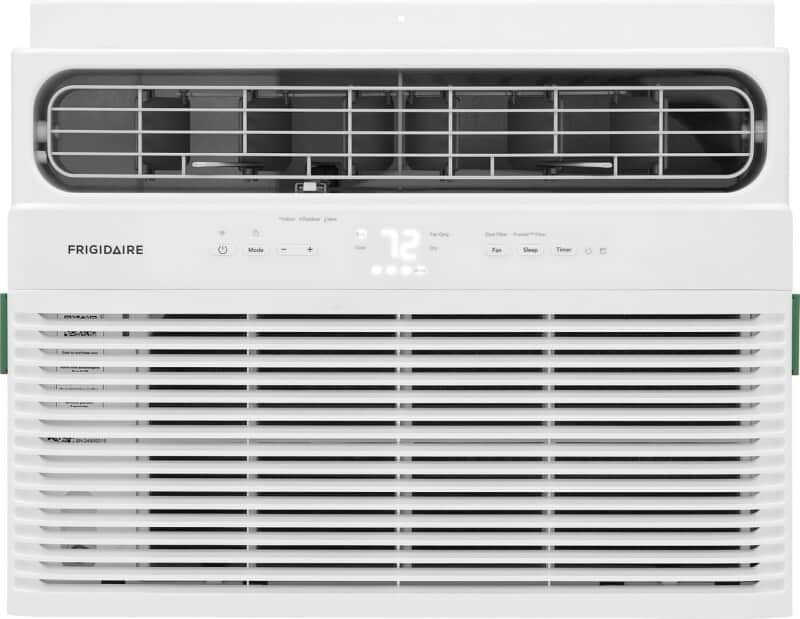
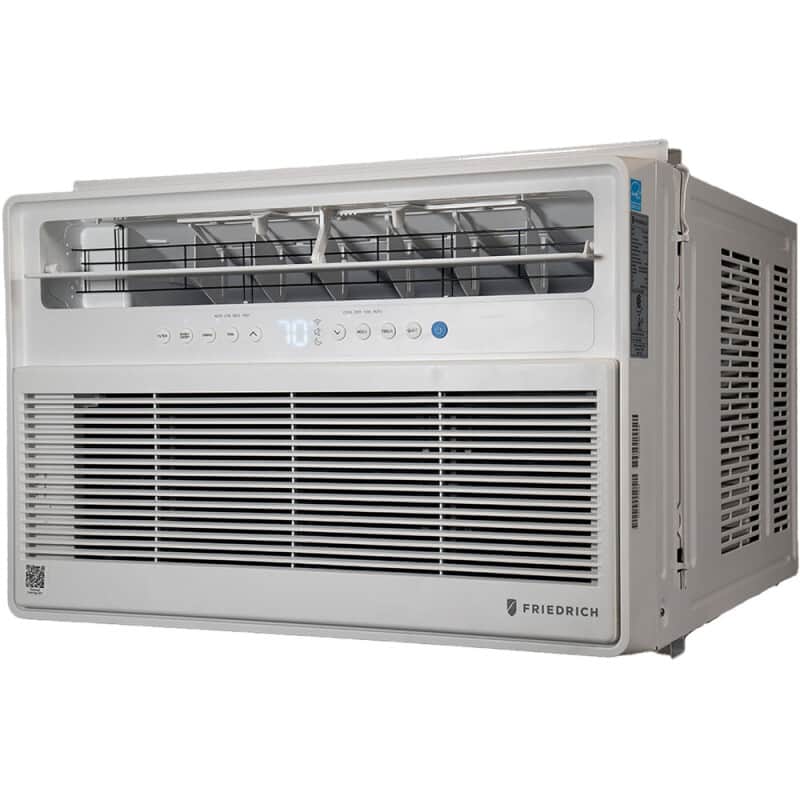
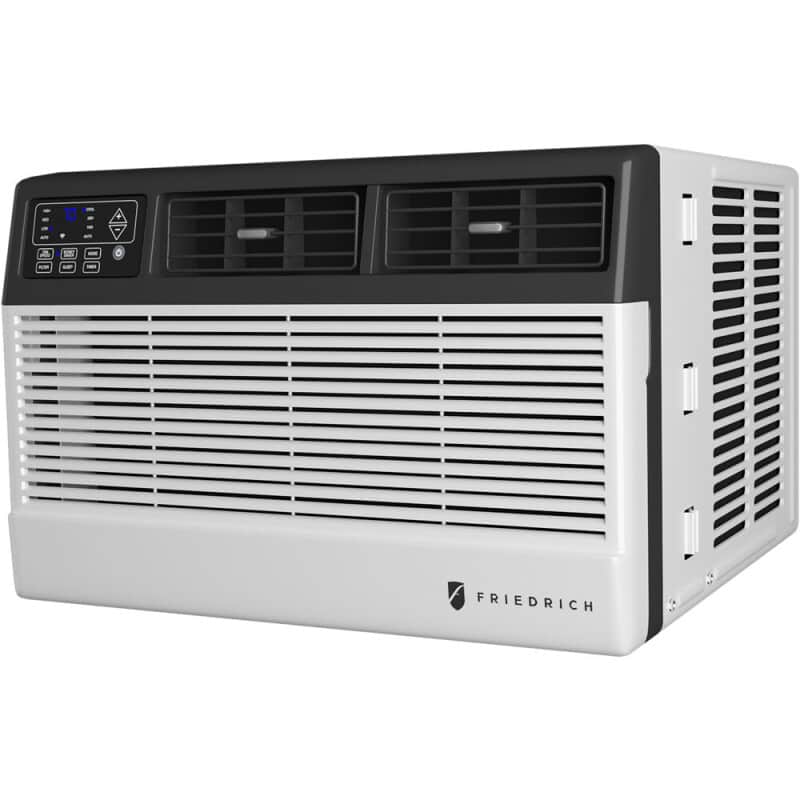
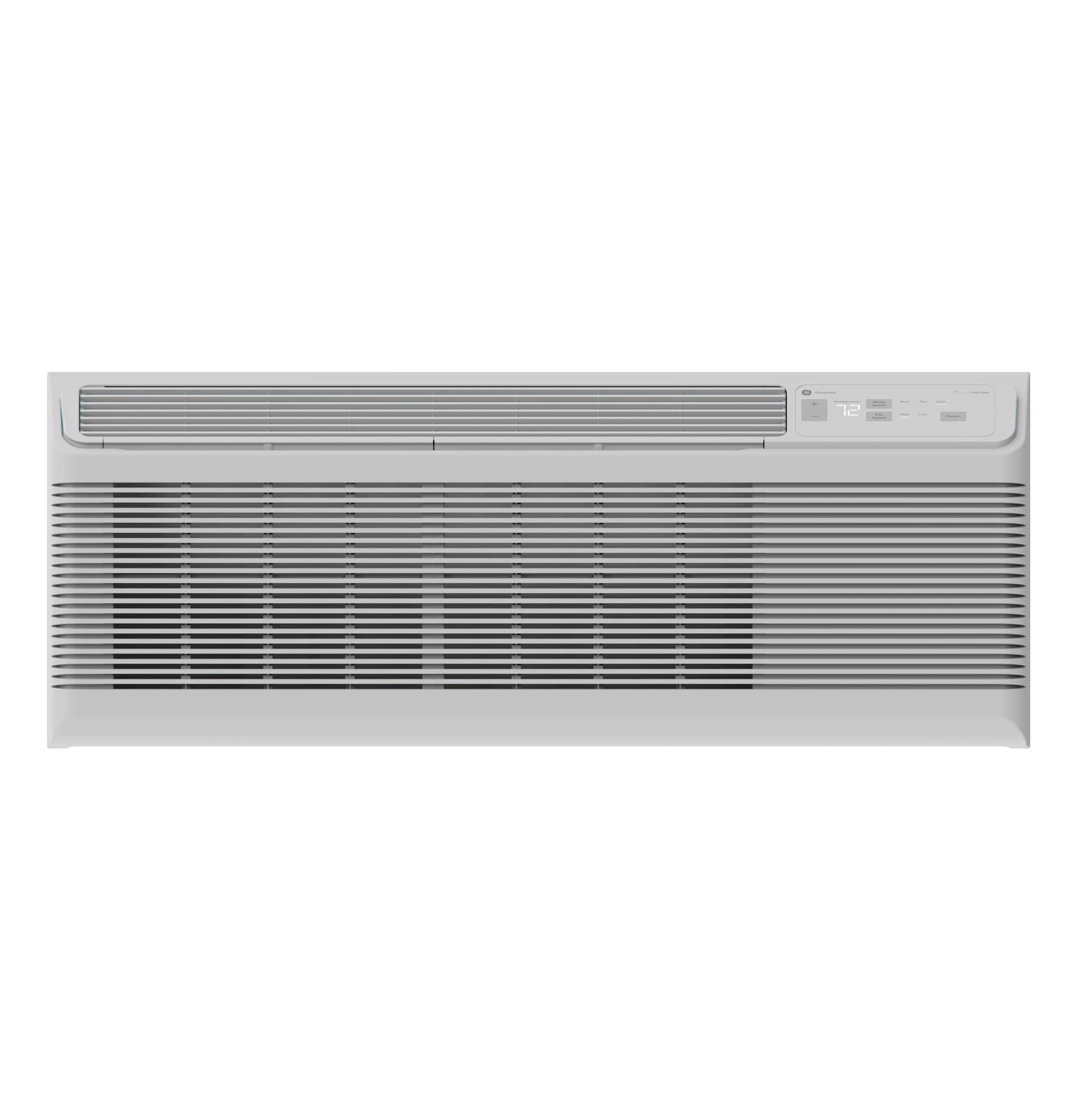
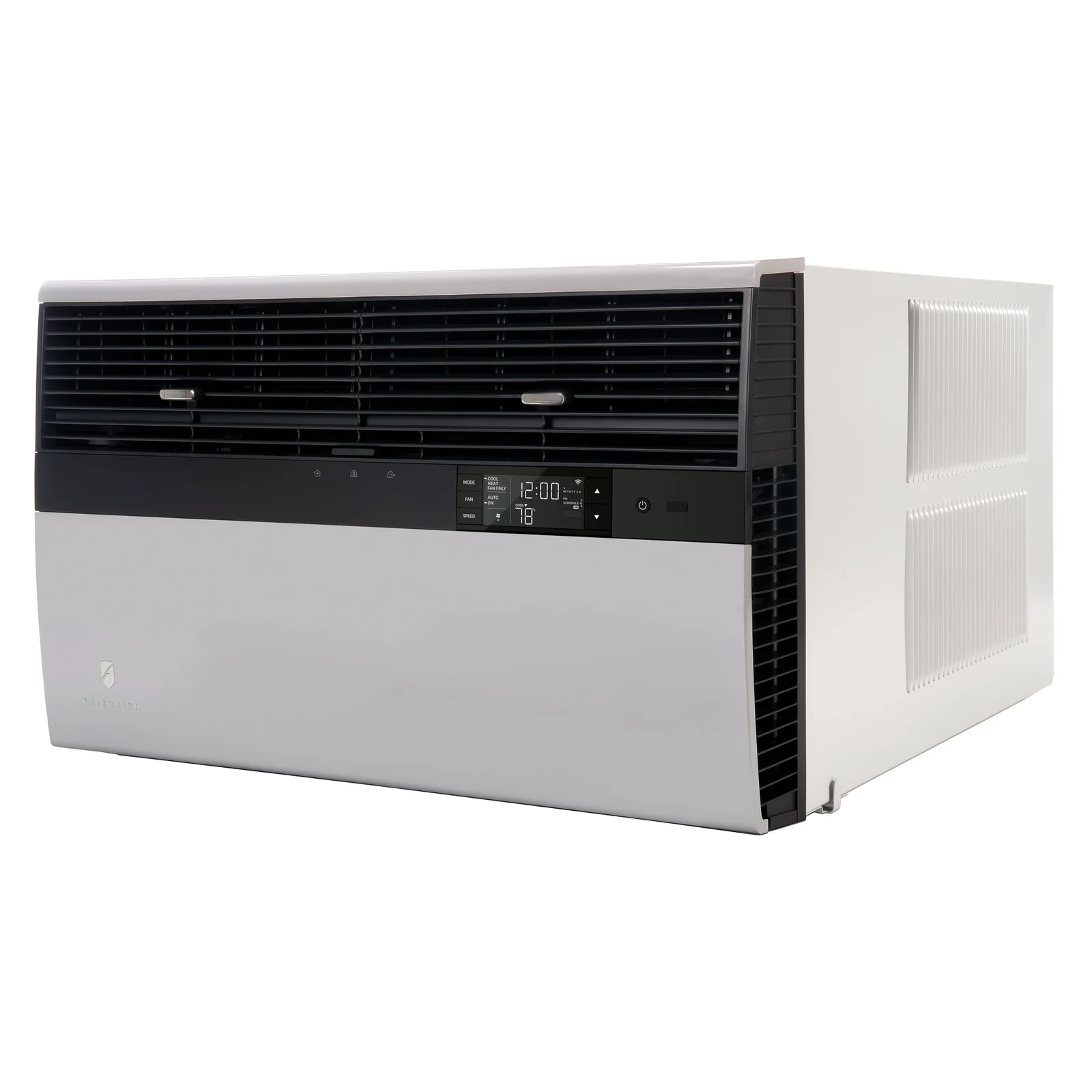
18,000–23,999 BTU
15 listedENERGY STAR's sizing table puts 18,000 BTU/hr at rooms up to about 1,000 sq ft.
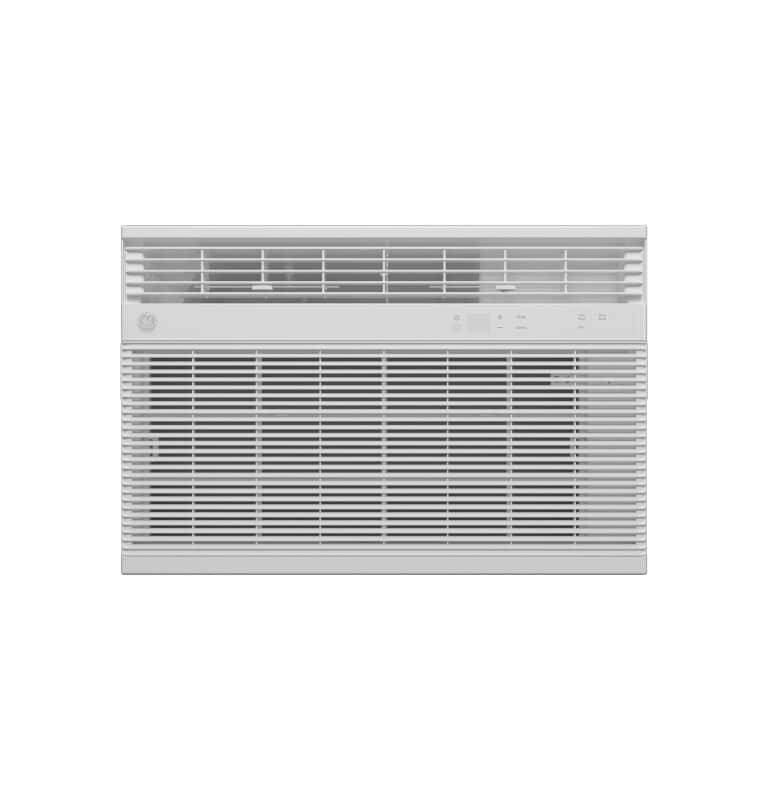
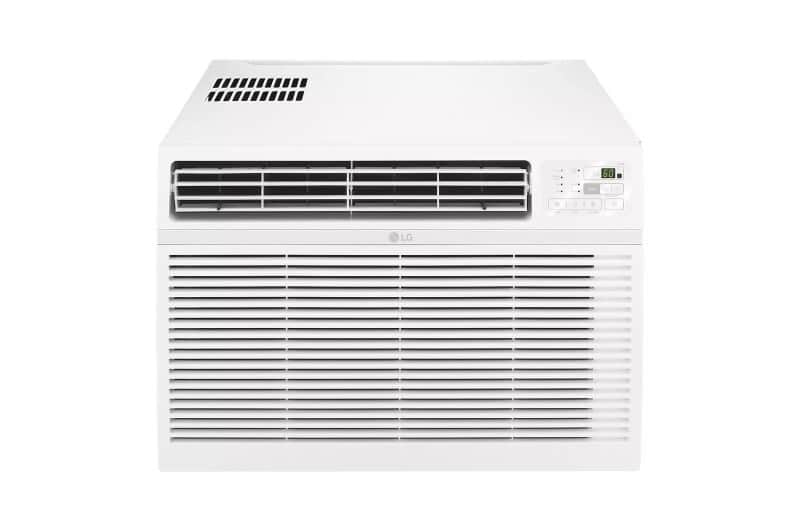
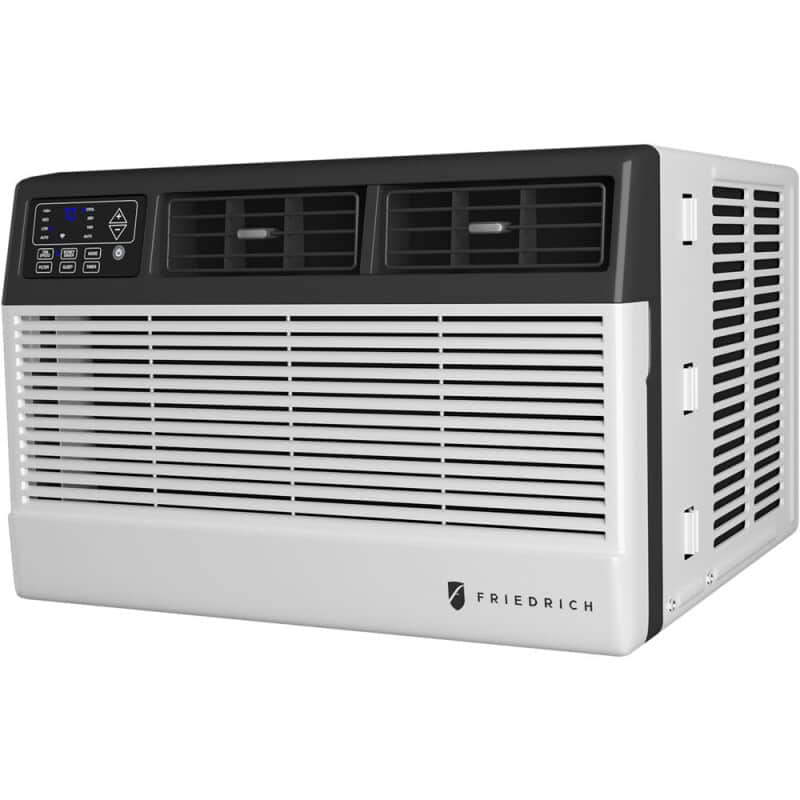
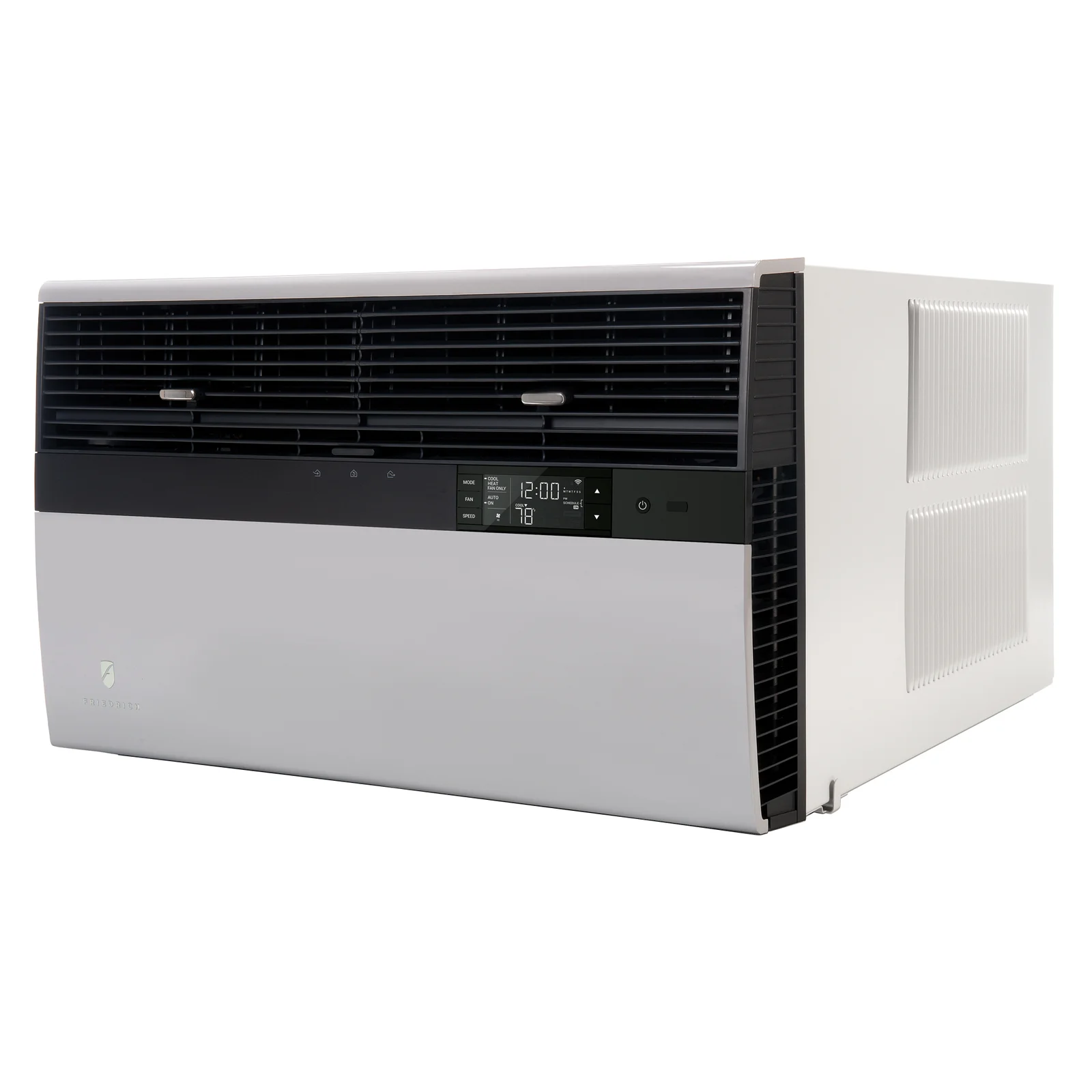
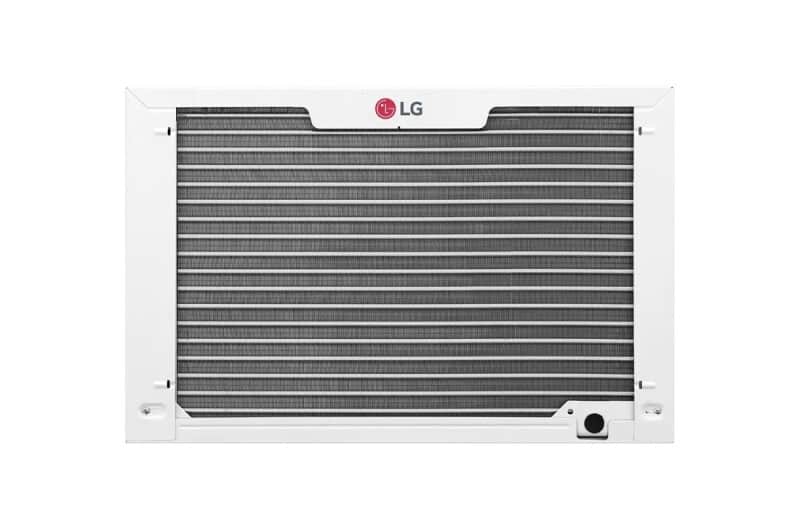
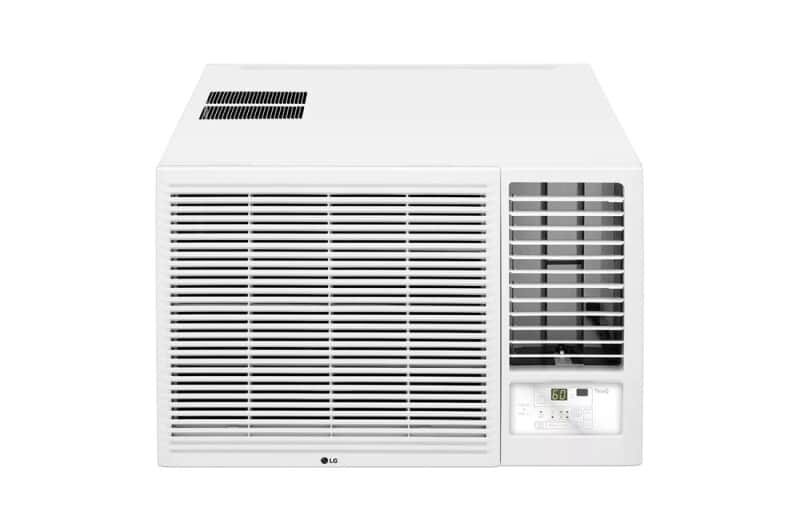
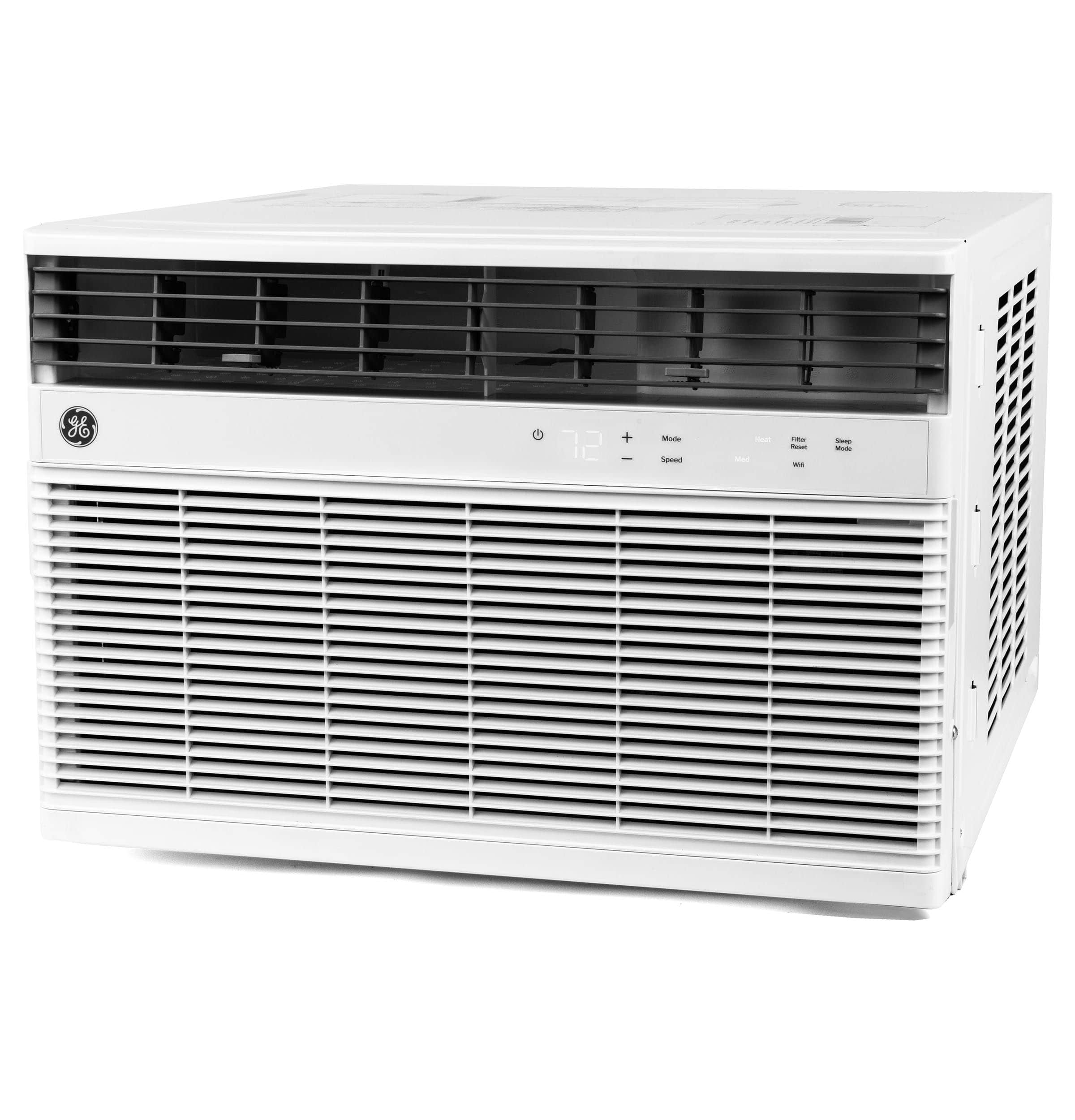
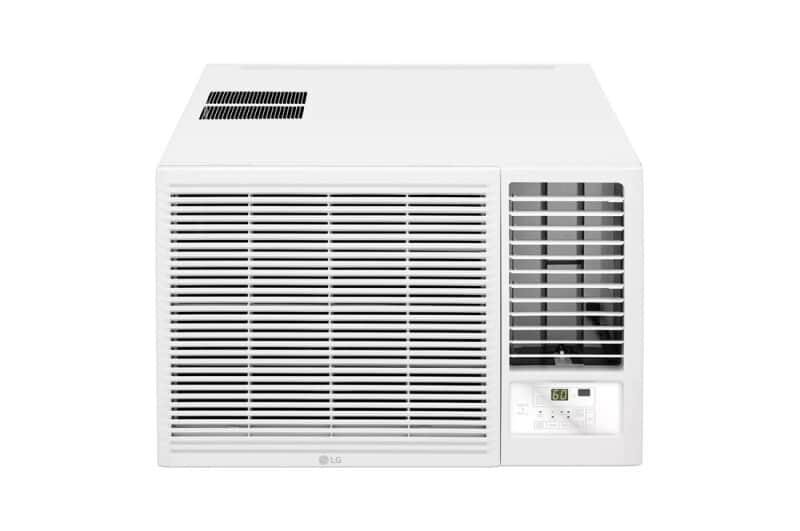
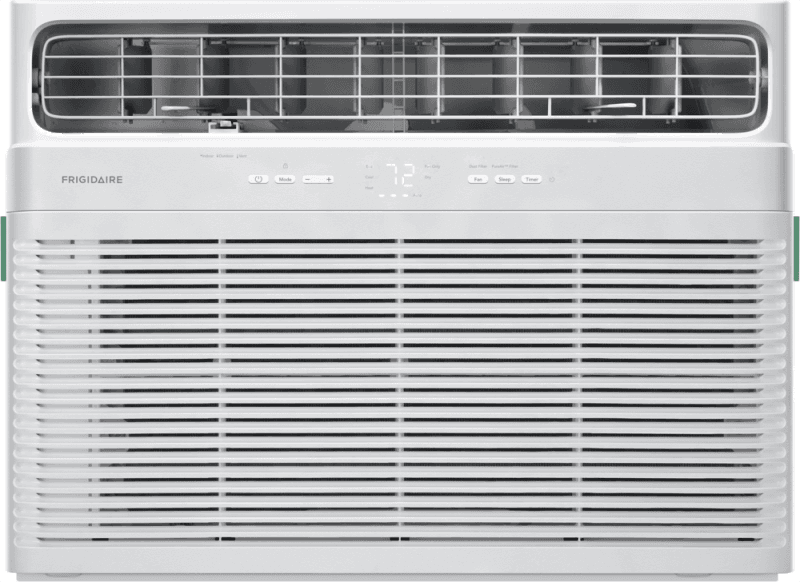
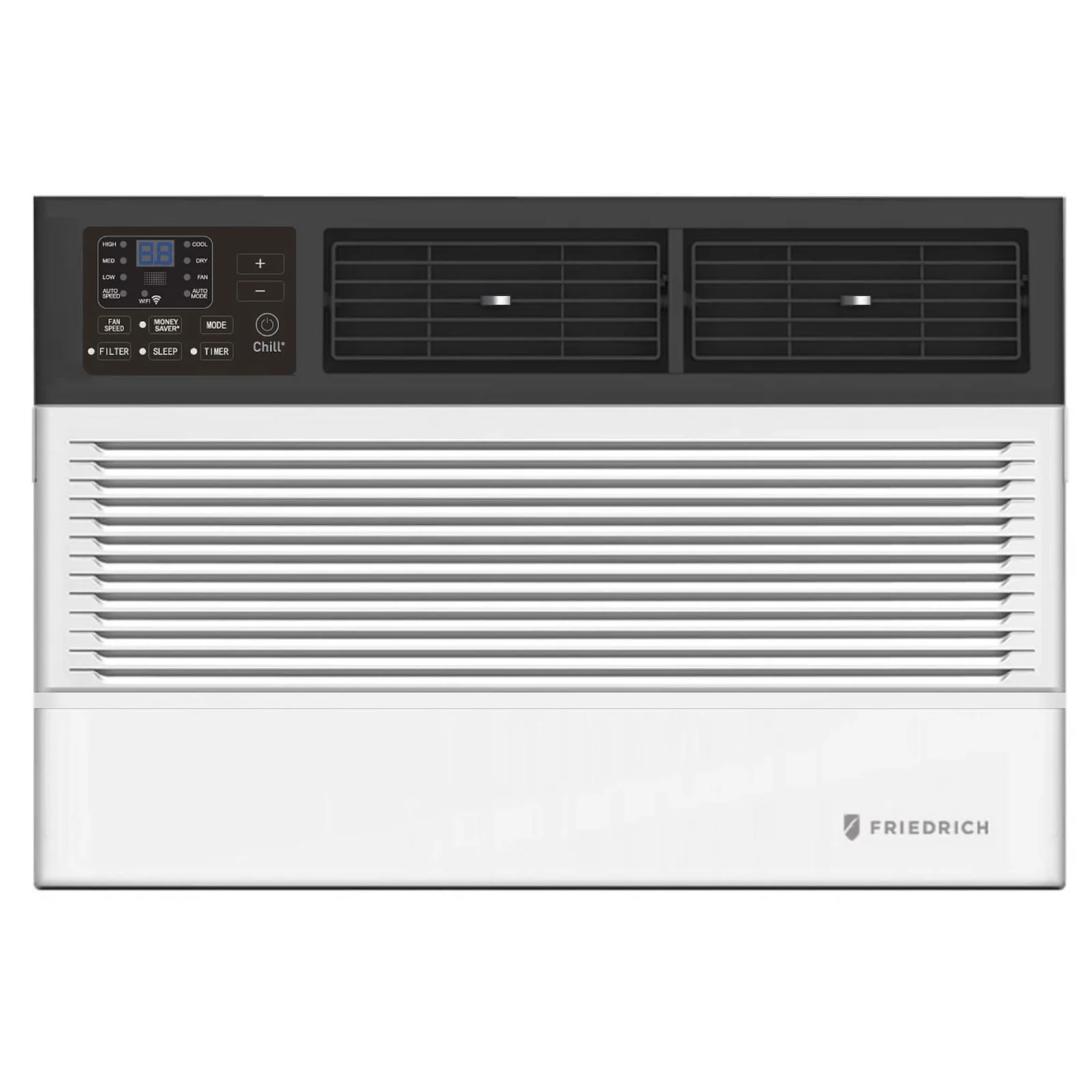
24,000 BTU and up
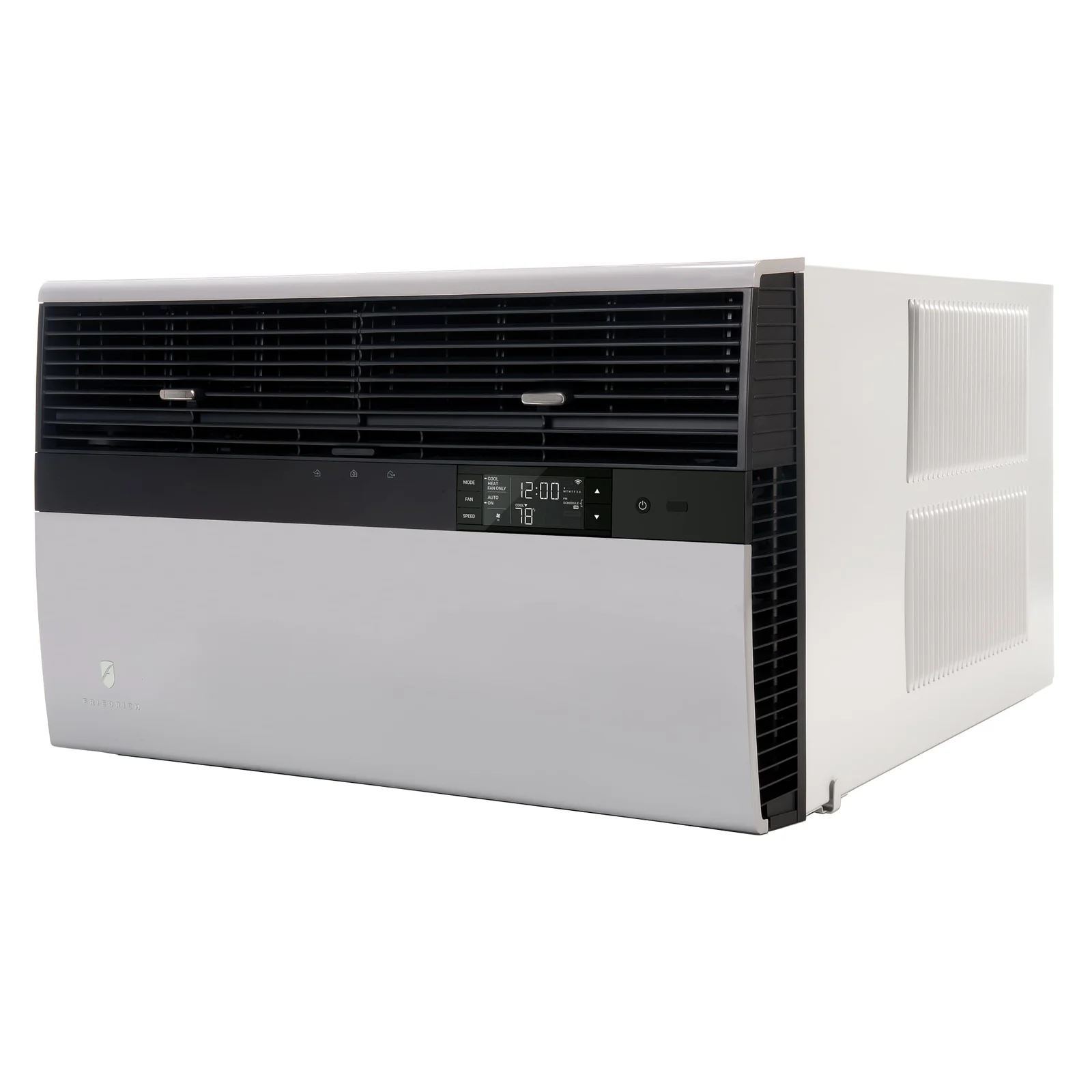
14 listedENERGY STAR's sizing table puts 24,000 BTU/hr at rooms up to about 1,500 sq ft.
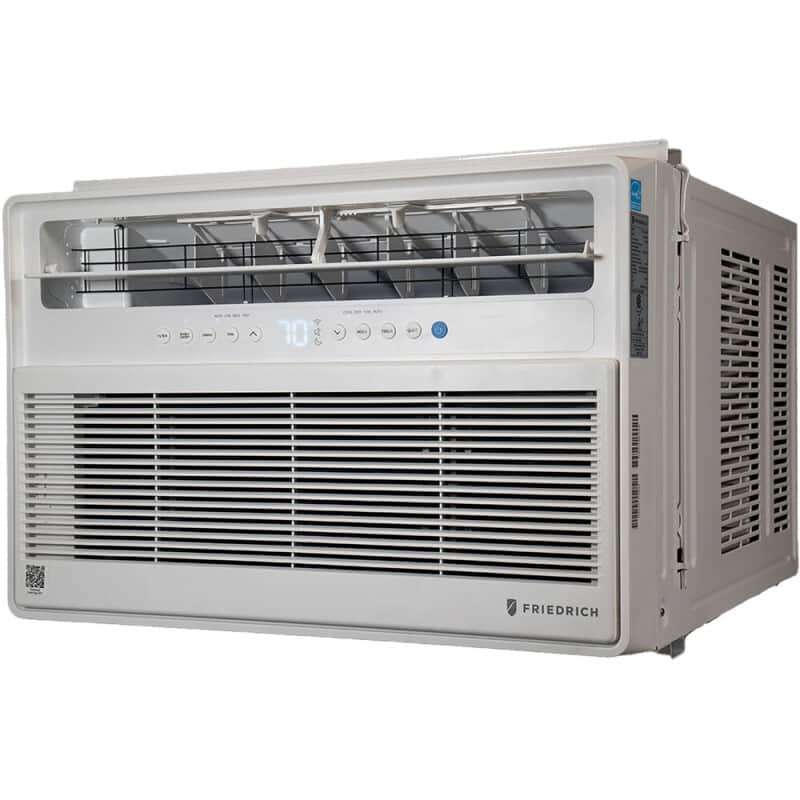
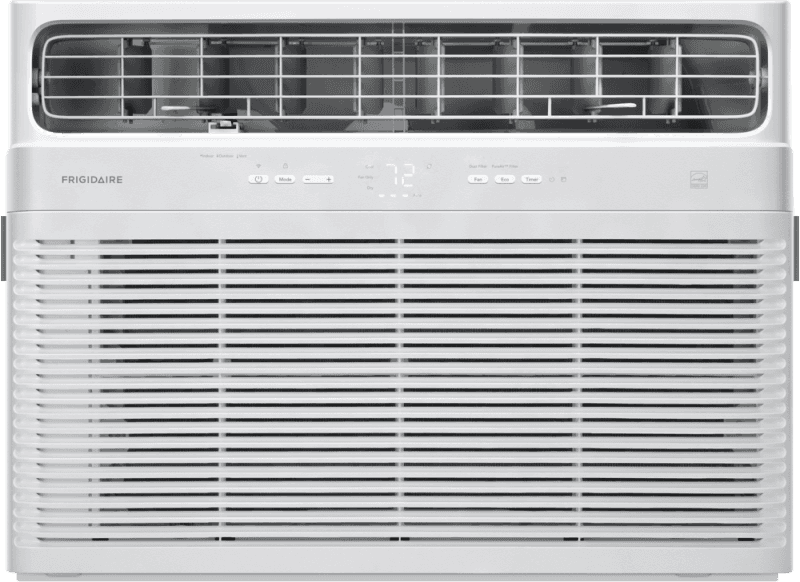
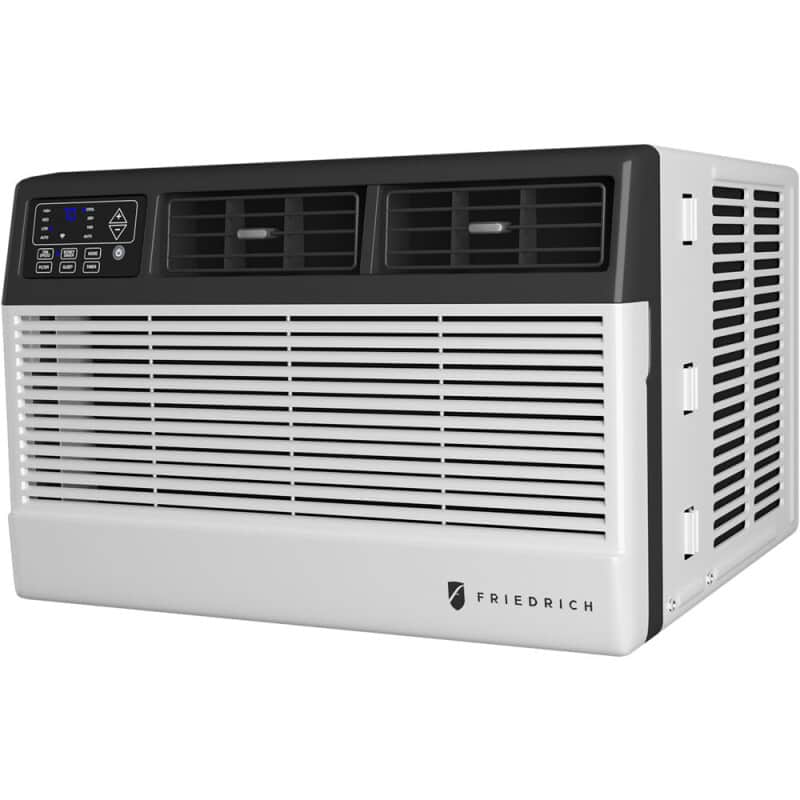
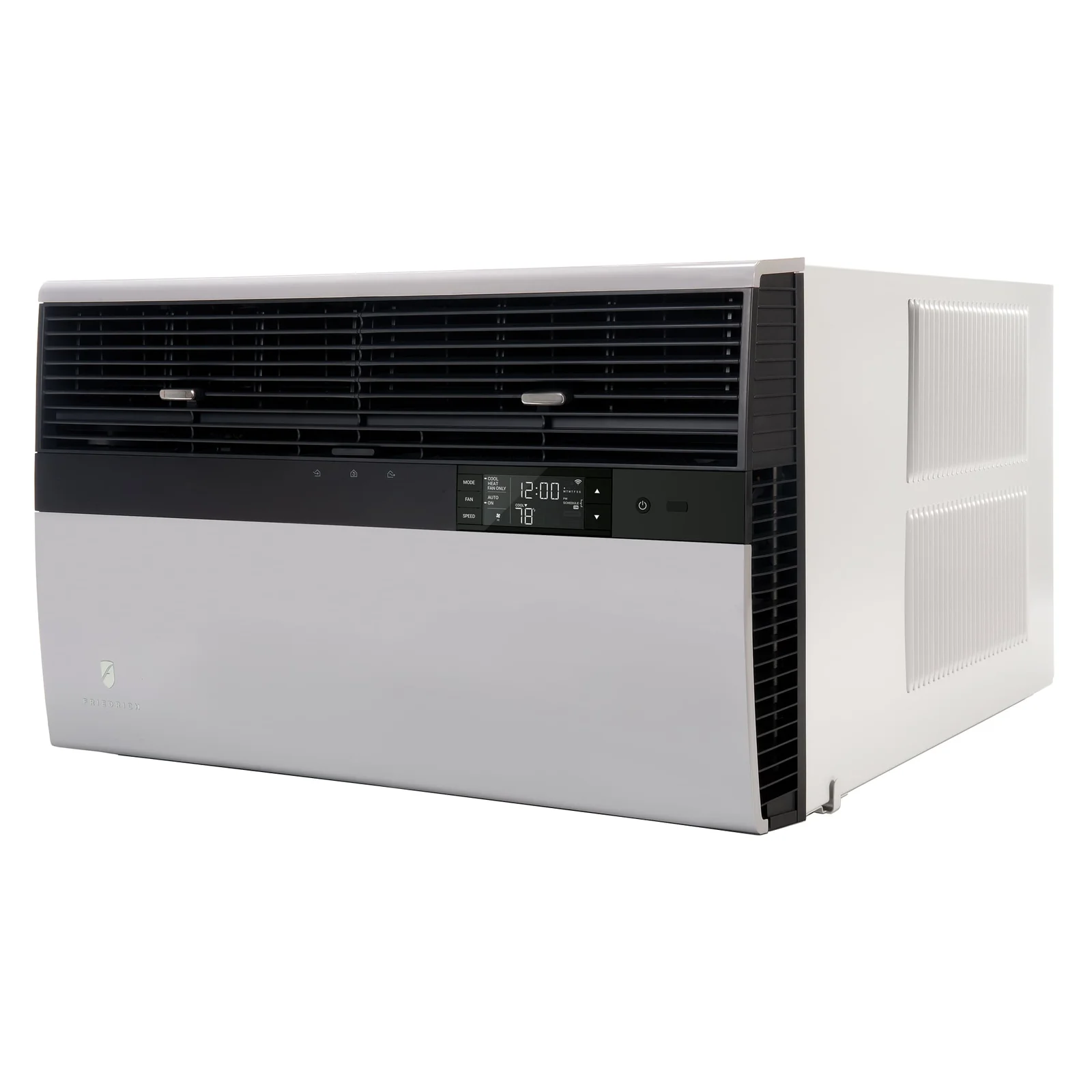
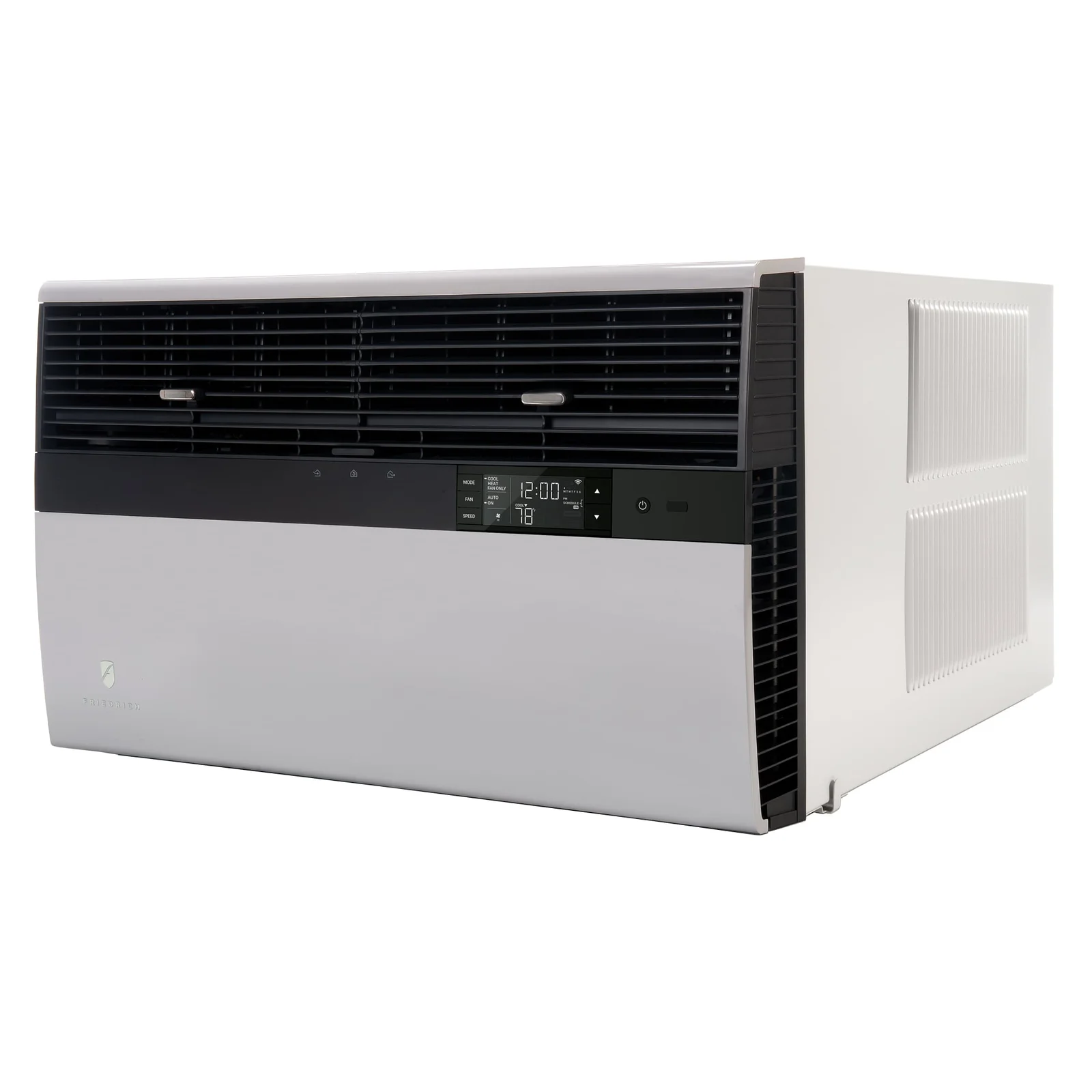
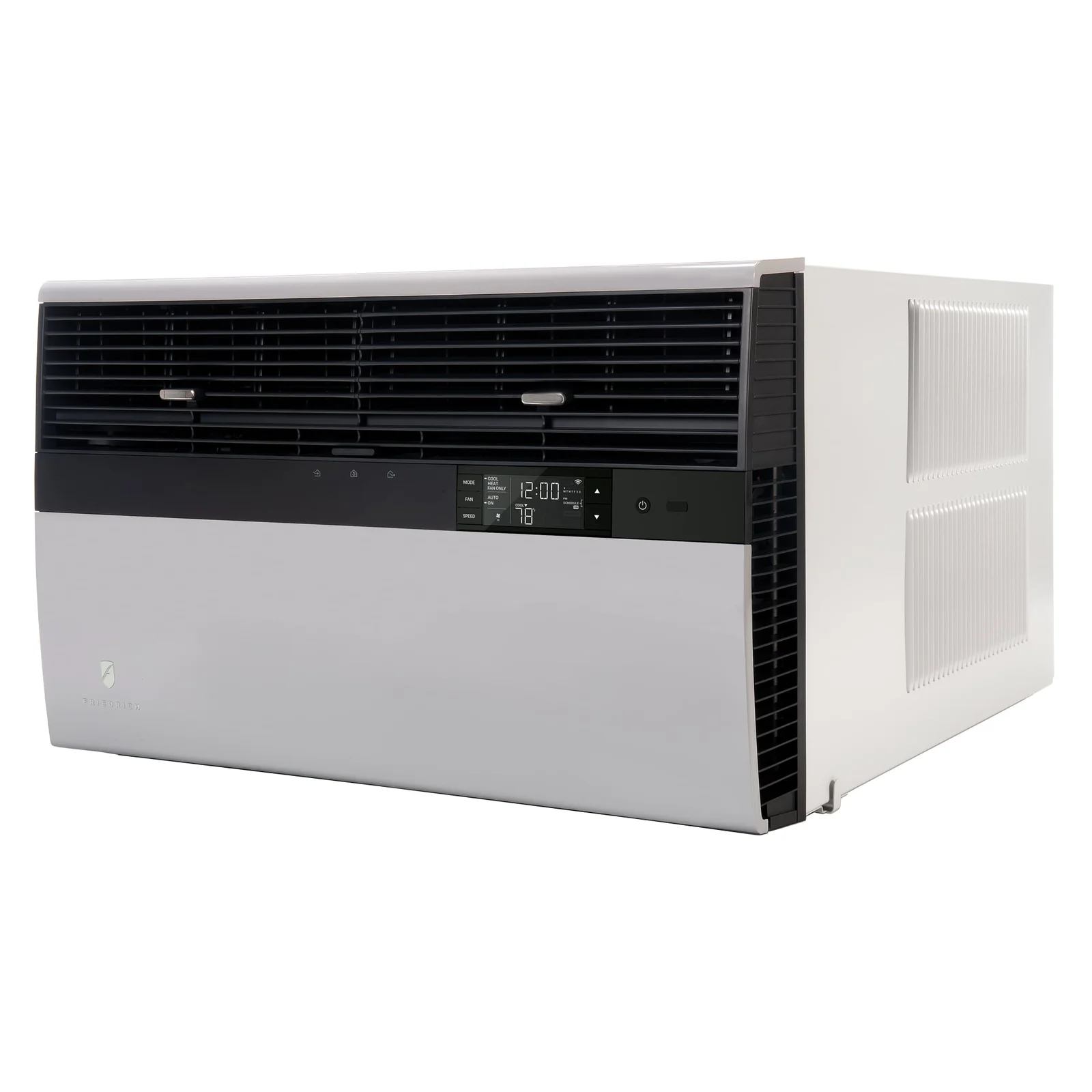
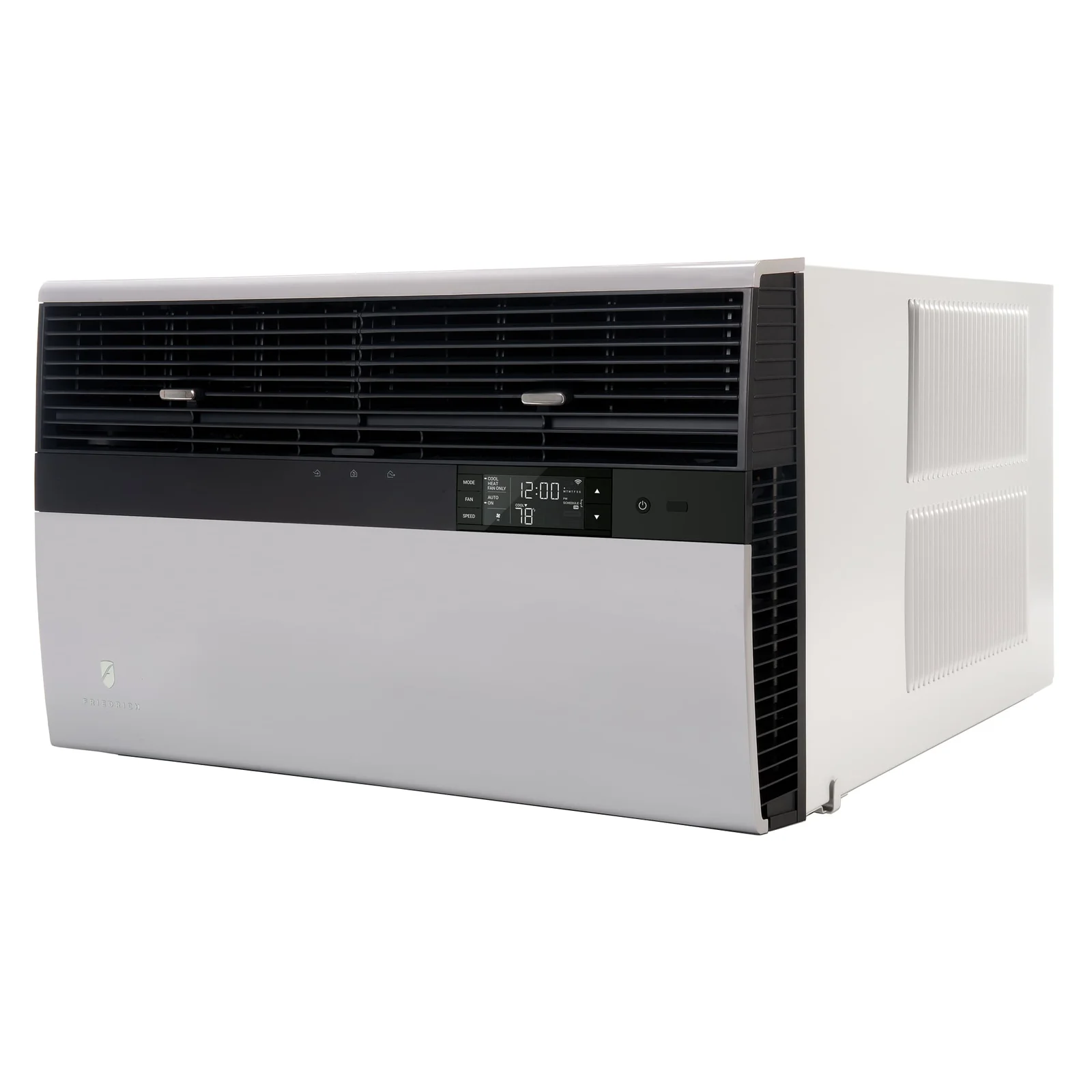
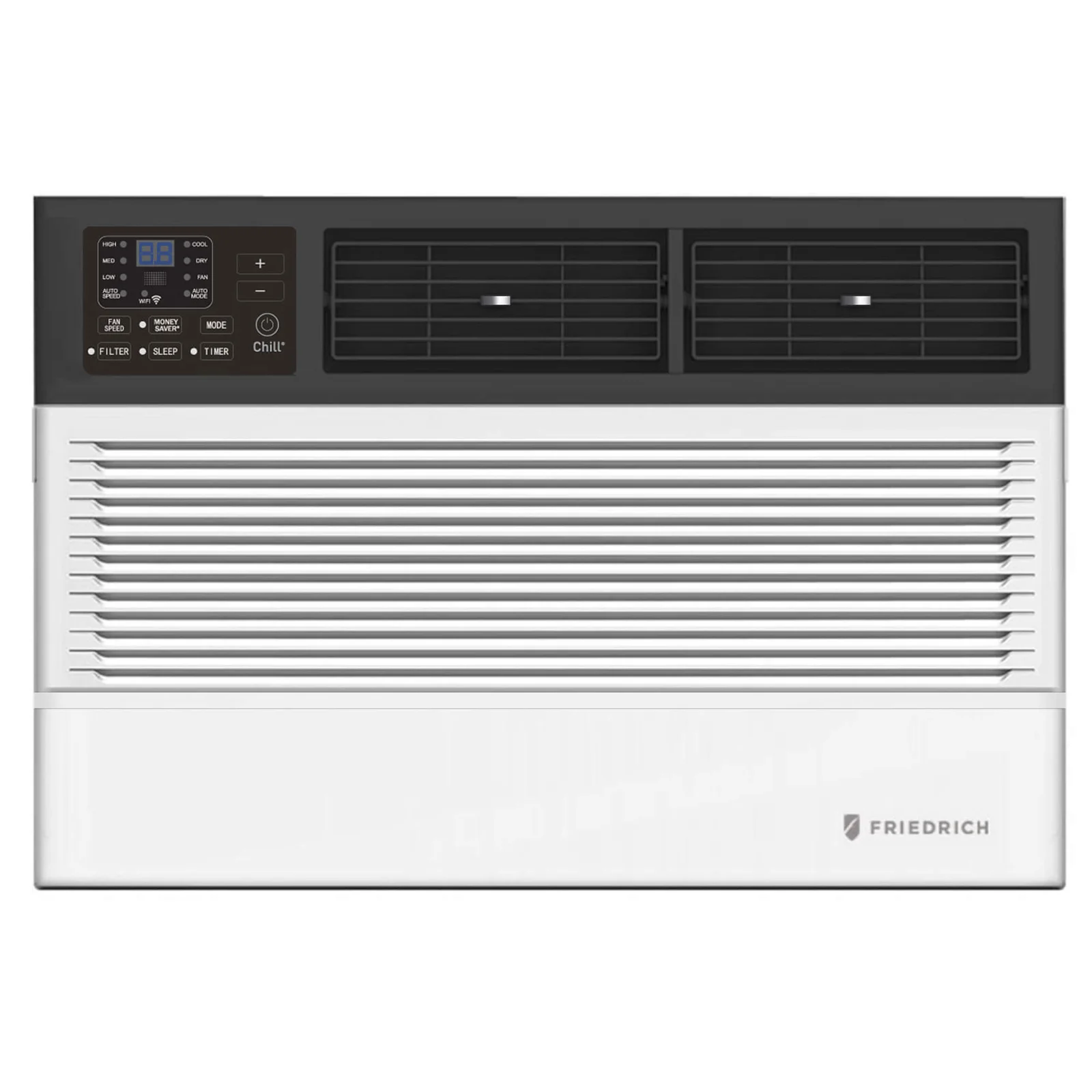
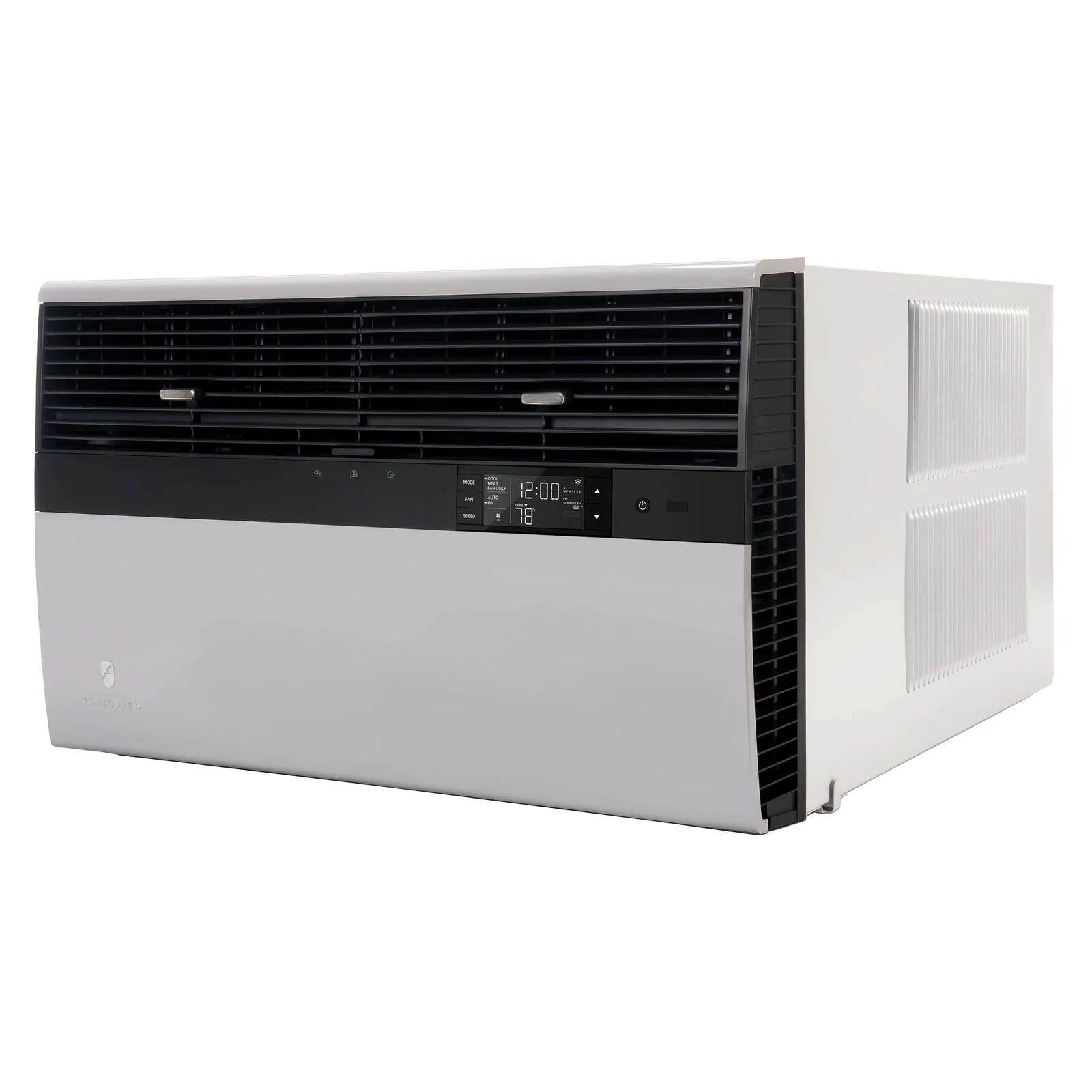
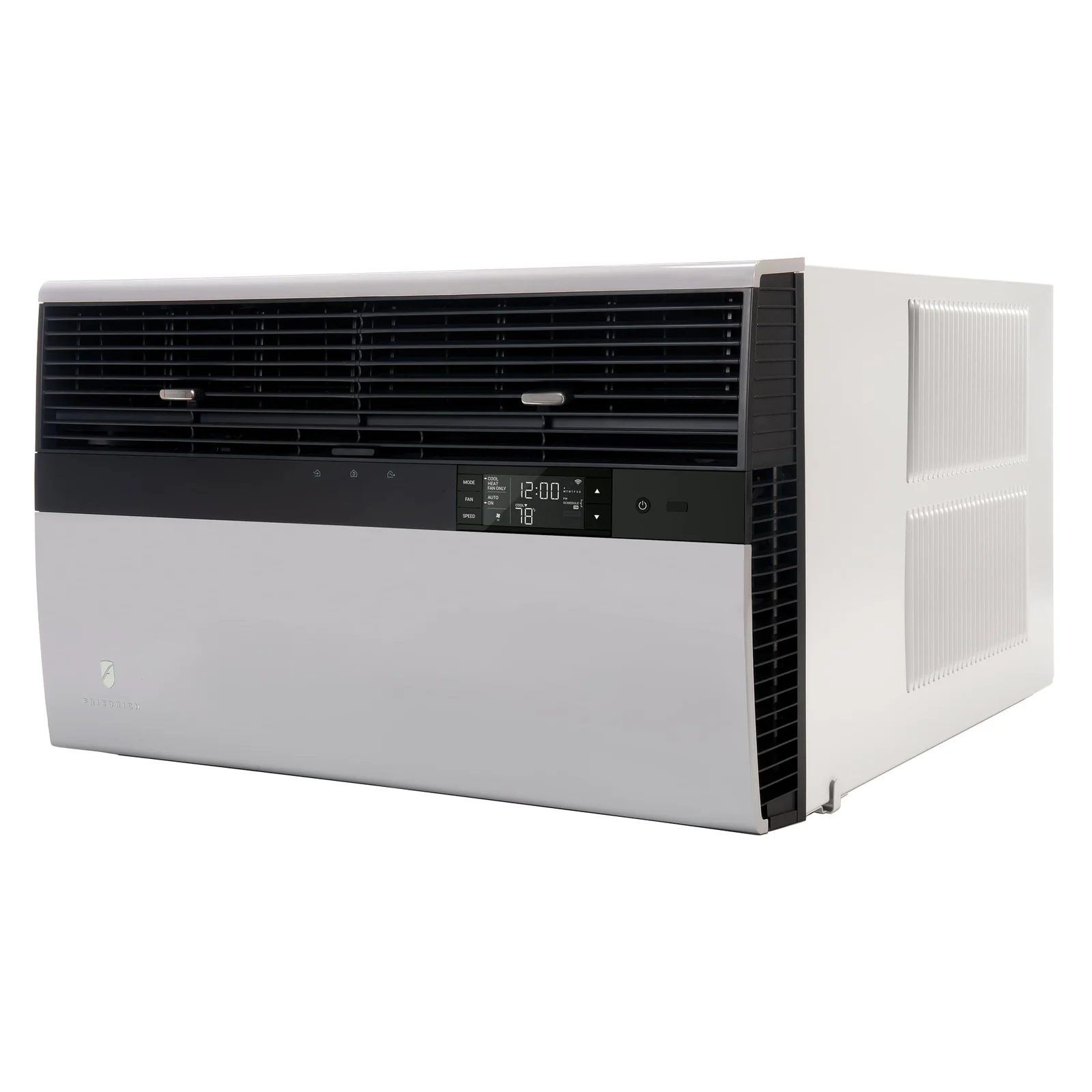
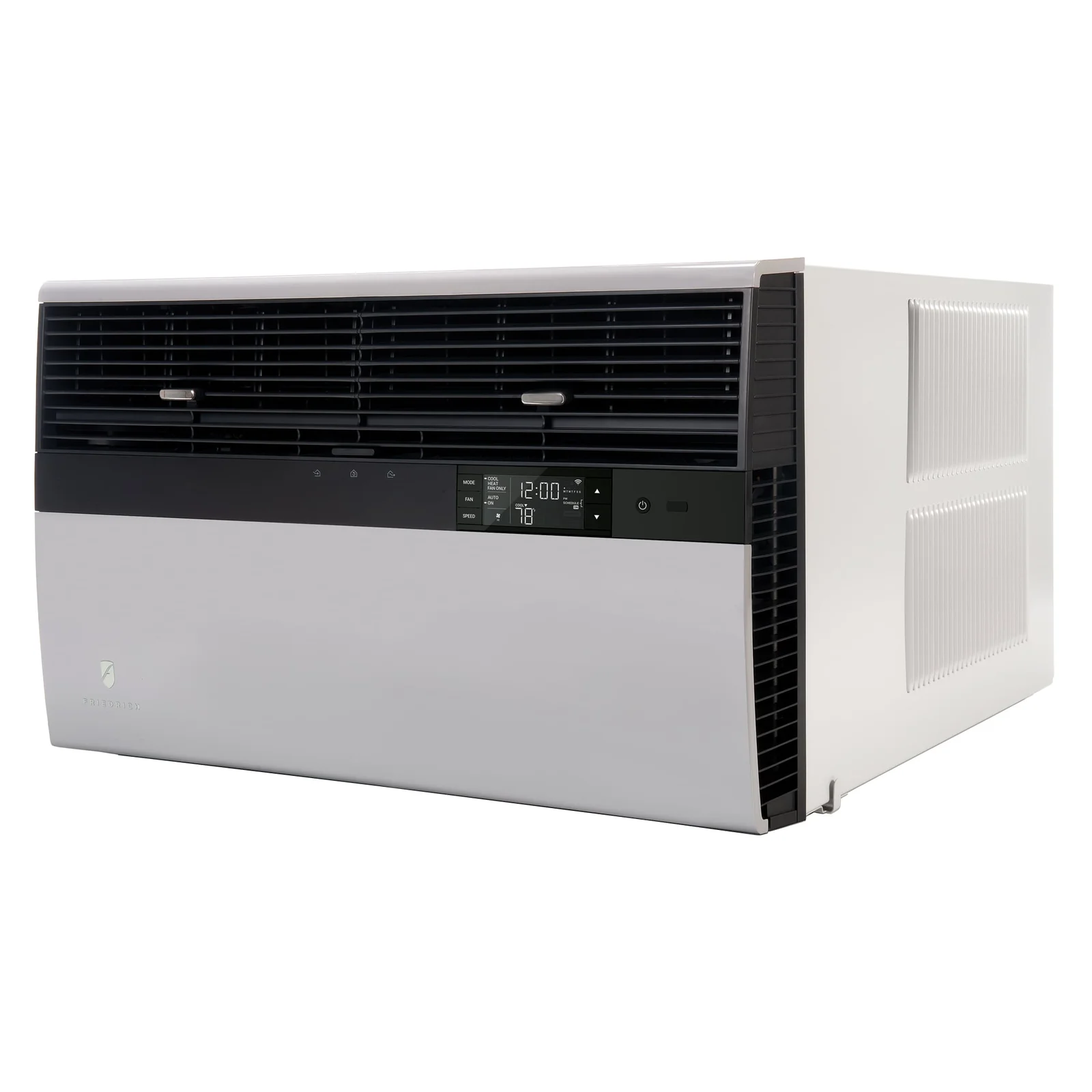
Casement and slider window units
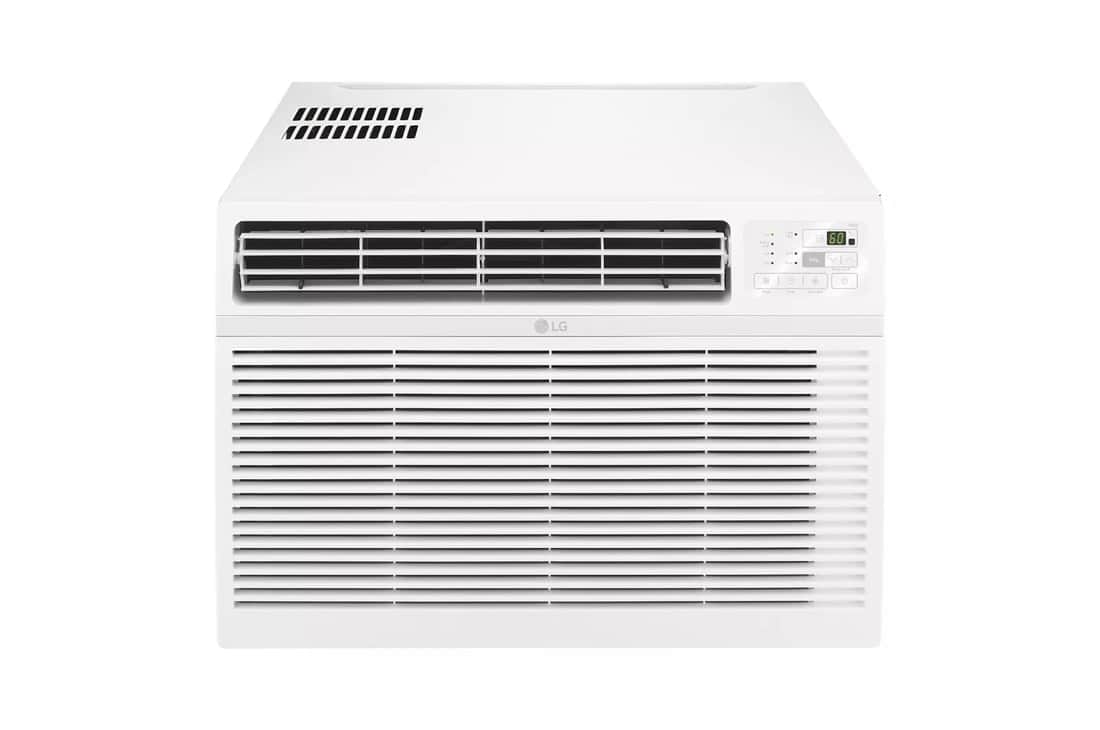
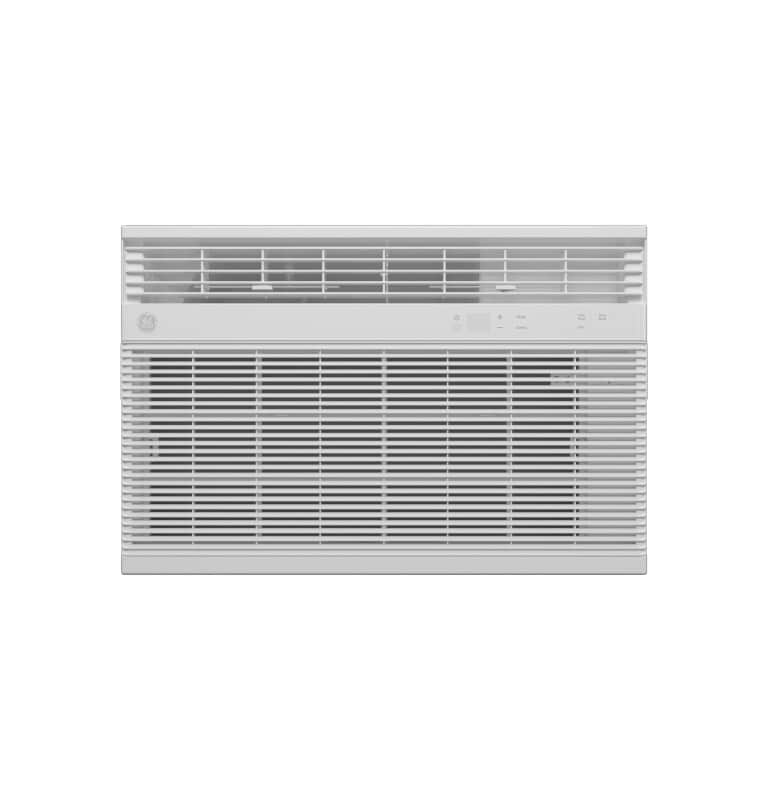
4 listedBuilt for a window that cranks or slides sideways. These models also appear in their capacity band above.
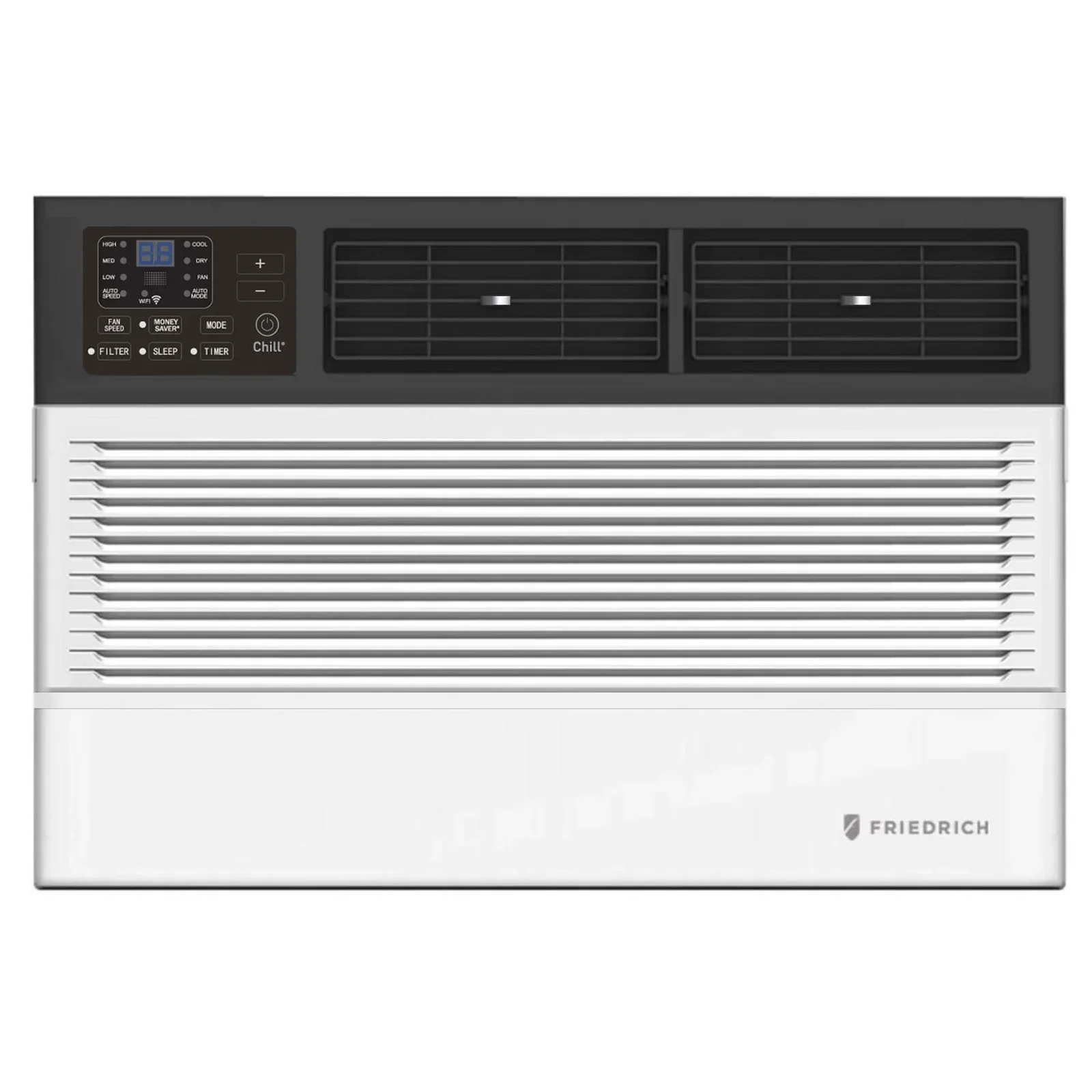
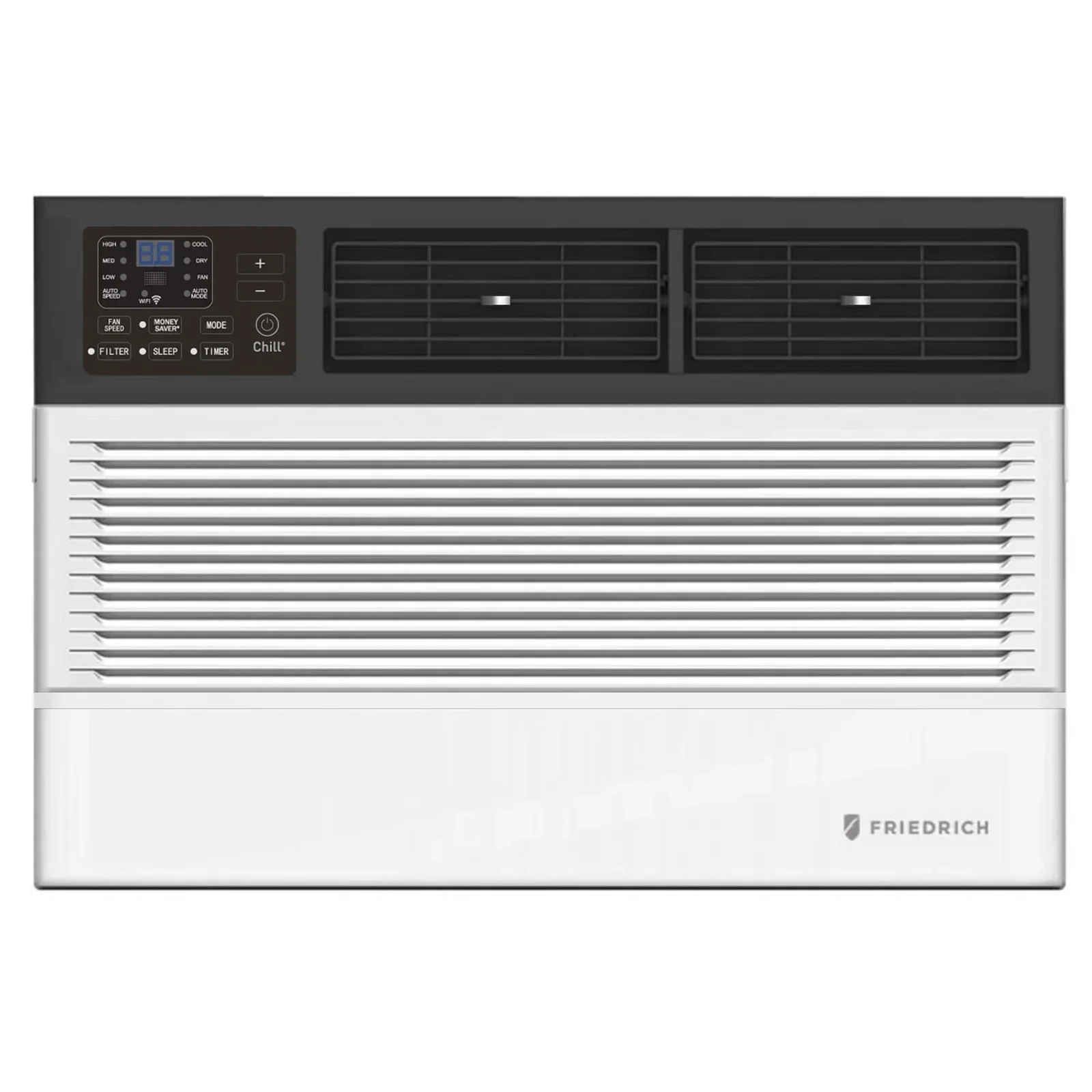
Not shown above: 27 further models we list whose name does not state a figure this page can sort on. Their specifications are on their own product pages — browse the full category.
Common questions
- What size air conditioner do I need for my room?
- Multiply length by width for the square footage and read ENERGY STAR's sizing table: about 5,000 BTU per hour for 150 square feet, 8,000 for 350, 10,000 for 450, 12,000 for 550 and 14,000 for 700. Then apply the adjustments ENERGY STAR lists — minus 10 percent for a heavily shaded room, plus 10 percent for a very sunny one, plus 600 BTU per person beyond two, plus 4,000 BTU in a kitchen.
- How many BTU per square foot is that?
- ENERGY STAR's table is not a flat ratio: it works out to about 33 BTU per square foot at the small end (5,000 BTU for 150 square feet) and closer to 20 at the large end (14,000 BTU for 700 square feet). Use the table itself rather than a single multiplier, then apply the four adjustments ENERGY STAR lists for shade, sun, occupancy and kitchens.
- Is a bigger air conditioner better?
- No. ENERGY STAR states that an oversized air conditioner costs more to purchase, wastes energy and does not provide better cooling: if the unit is too large it cools the room before it has a chance to remove the humidity, and cool, moist air makes the room feel damp and clammy.
- What is a casement air conditioner?
- It is a unit built for a sliding or casement window, and the ENERGY STAR Program Requirements for Room Air Conditioners define it by size: a casement-only unit is an encased assembly 14.8 inches wide or less and 11.2 inches high or less, and a casement-slider unit is 15.5 inches wide or less. The casement and slider models we list have their own section on this page.
- Do you deliver air conditioners?
- We deliver from our Jackson, NJ warehouse. Delivery is free at $499 and above in the NJ/NY metro area, at $899 and above in the extended regional zone (CT, PA, DE, MD and the NY capital region) and at $1,999 and above nationwide, with a $199 flat rate below the national threshold. Enter your ZIP code at checkout for the rate that applies to your address; a few destinations we cannot reach are refused rather than quoted.
Other buying guides
- Counter-Depth Refrigerators — What counter-depth means, how it compares with standard depth, and the counter-depth refrigerators currently listed.
- Quiet Dishwashers by Decibel Rating — What a dBA rating means and the dishwashers currently listed at 46 dBA or lower, sorted quietest first.
- Compact and 18-Inch Dishwashers — 18-inch versus 24-inch cutouts, what compact capacity means, and the compact dishwashers currently listed.
- Stackable Washers and Dryers — What stacking requires — matching pair, stacking kit, venting — and the stackable laundry currently listed.